

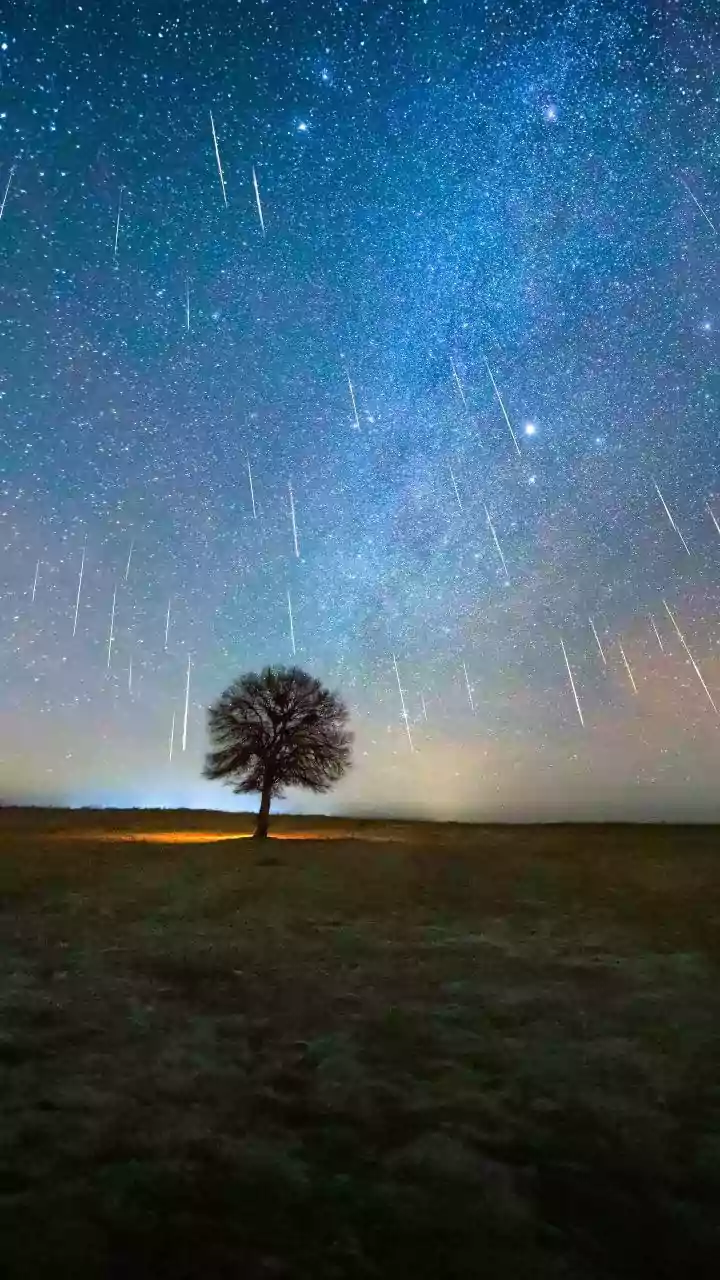



A Gift from Halley’s Comet
The Orionid meteor shower is one of the most beautiful of the year, and it has a famous parent: Halley's Comet. The meteors you see are actually tiny fragments of dust and ice shed by the comet during its 76-year journey around the sun. Each October,
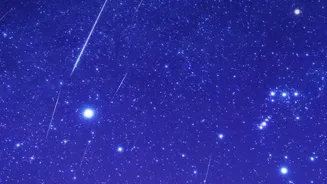
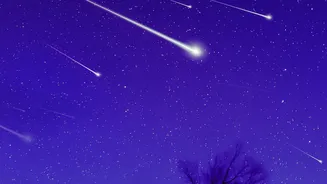
Earth’s orbit passes through this stream of debris. When these particles, some as small as a grain of sand, hit our atmosphere at incredible speeds—around 66 kilometres per second—they burn up, creating the brilliant streaks of light we call 'shooting stars'. This shower is known for its speed and brightness, with some meteors leaving behind glowing 'trains' that can linger for a few moments in the sky.
Mark Your Calendar: The 2026 Peak
The Orionid meteor shower is active from early October to early November, but the best time to watch is during its peak. In 2026, the peak is expected on the night of October 21-22. Some forecasts also suggest good activity on the morning of October 23. The prime viewing window is in the hours after midnight and before dawn. This year, there will be a bright waxing gibbous moon, which can make it harder to see fainter meteors. However, the moon is expected to set a few hours before dawn, opening up a window of darker skies perfect for meteor spotting. Aim to watch between moonset and the start of morning twilight for your best chance.
Battling the Urban Glow
For anyone living in a city, the biggest obstacle to stargazing is light pollution. The collective glow from streetlights, buildings, and vehicles creates a haze that washes out all but the brightest celestial objects. Under ideal dark-sky conditions, the Orionids can produce 15 to 20 meteors per hour. In a city, that number drops dramatically, perhaps to only a few per hour. But don't be discouraged. While you won't see the same numbers as you would in a rural area, it's still possible to spot the brighter Orionids, especially the ones known as 'fireballs'. The key is to find the darkest possible spot and have patience.
Find Your Urban Viewing Spot
You don't necessarily need to drive for hours out of the city. Start by looking for a location with a wide, unobstructed view of the sky, away from direct sources of light. A large park, a sports ground, or even a high-rise rooftop or balcony can work, as long as it shields you from the worst of the street-level glare. The goal is to minimise the number of direct lights in your line of sight. Position yourself so that a building or a line of trees blocks nearby streetlights. Even a small reduction in direct light can make a big difference when your eyes are adapted to the dark.
How to Watch: A Simple Guide
Once you've found your spot, preparation is simple but crucial. First, give your eyes at least 20 to 30 minutes to fully adapt to the darkness; this is essential for spotting faint meteors. This means no looking at your phone screen, as its bright light will instantly ruin your night vision. Second, get comfortable. Meteor watching involves a lot of waiting, so bring a blanket or a reclining chair. Lie on your back and look straight up, taking in as much of the sky as possible. Finally, check the weather forecast beforehand. Clouds are an even bigger obstacle than city lights.
Where to Look in the Sky
The meteors are named Orionids because they appear to radiate from a point within the constellation Orion the Hunter. You can find Orion rising in the east after midnight, easily identifiable by the three bright stars of its 'belt'. However, you shouldn't stare directly at Orion. Meteors seen near the radiant point will have very short trails and be harder to spot. For the best views of long, dramatic streaks, look about 45 to 90 degrees away from the radiant. The meteors can appear in any part of the sky, so a wide-open view is more important than pinpointing the exact constellation.