



The Great Digital Harvest
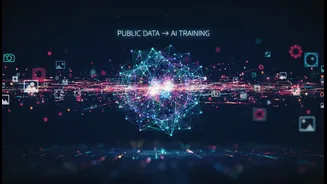
Artificial intelligence models, especially those that create images and text, are incredibly hungry for data. To learn how to generate realistic content, they must first analyze billions of examples. Tech companies accomplish this through a process called
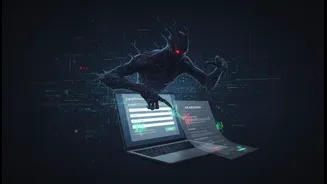
'data scraping,' where automated bots systematically collect information from across the internet. This includes text, videos, and, crucially, the countless photos shared on social media platforms like Instagram and Facebook. For years, companies have operated on the assumption that anything posted publicly is fair game for training their AI systems, often without notifying users or seeking permission. This practice turns our collective digital footprint into a massive, free textbook for machines.
The Blurry Line of Consent
When you post a photo for friends and family, do you consent to it being used to train a corporate AI? This is the central ethical dilemma. Most users share content without considering it could be used for AI development. The argument from tech companies is that public data is, by nature, available for use. However, privacy advocates and legal experts argue that 'public' does not mean 'free for any use'. In India, this issue is becoming a major legal test. The Digital Personal Data Protection Act (DPDPA), 2023, aims to regulate how personal data is processed. While the Act introduces a consent-based framework, it also includes exemptions for publicly available personal data, creating a significant grey area that AI developers might exploit. Using personal data for AI training without separate, explicit consent is a violation under the DPDPA, but the rules around data scraped from public profiles remain a legal battleground.
Creators on the Frontline
For artists, photographers, and designers, the stakes are even higher. Many have discovered that their life's work, posted online, has been used without permission to train generative AI models that can now create similar works in seconds. This raises fundamental questions about copyright law. India's Copyright Act of 1957 was not designed for an era of machine-generated content and is centered on human authorship. The law currently states that the 'author' of a computer-generated work is the 'person who causes the work to be created'. However, this doesn't clarify whether using copyrighted images as training data constitutes infringement. As a result, creators fear their work is being used to build systems that could devalue their skills and even replace them, without compensation or credit.
Your Privacy at Risk
Beyond creator rights, the mass scraping of public photos has serious privacy implications for everyone. Facial recognition databases are often built using images scraped from social media, which could be used for surveillance without your knowledge. The data-hungry nature of AI means systems can connect different pieces of your online life, potentially revealing sensitive information or creating detailed profiles about you. These scraped images can also be used to create 'deepfakes'—realistic but fake videos or images—which can be used for misinformation, fraud, or personal harassment. Even if a social media account is set to private, photos of you posted publicly by friends or family can still be swept up in this data collection.