






India's Critical Mineral Challenge
From EV batteries to smartphones and defense technology, modern life runs on critical minerals like lithium, cobalt, and nickel. For India, there's a significant catch: the country is almost entirely dependent on imports for these resources. This reliance
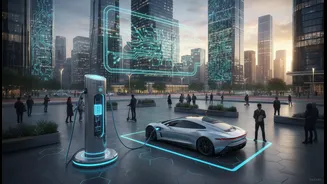
creates economic vulnerabilities and geopolitical risks, as supply chains are often concentrated in a few nations. To power its 'Make in India' ambitions and secure its green energy transition, the country needs a reliable domestic source. This is where the concept of 'urban mining' comes in—recovering these valuable materials from the millions of tonnes of electronic waste generated annually.
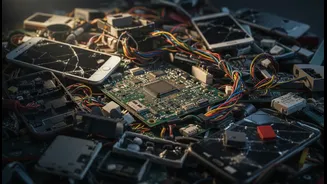
The E-Waste Goldmine
India is one of the world's largest producers of electronic waste, a problem growing at a rate of about 30% per year. Historically, over 90% of this waste has been handled by the informal sector, where crude and unsafe methods are used to extract materials, posing severe health and environmental hazards. However, policies like the Battery Waste Management Rules of 2022 are changing the landscape. These rules enforce Extended Producer Responsibility (EPR), making manufacturers accountable for the collection and responsible recycling of their products. This formalizes the sector, transforming hazardous waste into a structured, high-potential feedstock for mineral recovery.
Why Battery Chemistry is Key
Not all batteries are created equal, and their chemistry dictates the economics of recycling. The two dominant types are Lithium Iron Phosphate (LFP) and Nickel Manganese Cobalt (NMC). NMC batteries contain valuable cobalt and nickel, making their recycling profitable based on metal recovery. In contrast, LFP batteries, which are becoming popular in India for their safety and lower cost, contain no cobalt or nickel. Their recycling economics depend on the efficient, high-purity recovery of lithium and graphite. This means recycling plants must be engineered with the flexibility to handle different chemistries, each requiring a different business model and technical approach.
The World of Process Engineering
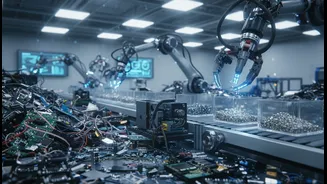
This is where science meets industry. The core task of a recycler is to take a spent battery and break it down into its valuable components. The shredded and processed material, known as 'black mass', contains the key minerals. Two main engineering pathways are used: Pyrometallurgy and Hydrometallurgy. Pyrometallurgy uses high heat to smelt the materials and recover metal alloys, but it is energy-intensive and can result in the loss of minerals like lithium. Hydrometallurgy uses chemical processes, like acid leaching, to dissolve and selectively separate the metals with high purity and recovery rates. Indian recyclers are increasingly focused on advanced hydrometallurgical processes to efficiently extract battery-grade materials, which is essential for creating a closed-loop supply chain.
Building a Circular Economy
By bringing together policy, technology, and market demand, India is laying the groundwork for a self-reliant battery ecosystem. Companies like Lohum Cleantech, Attero Recycling, and Tata Chemicals are pioneering large-scale, sophisticated recycling operations. The government's push, through the National Critical Minerals Mission and EPR rules, creates the necessary framework. These rules don't just mandate collection; they set targets for recovery rates and the use of recycled content in new batteries, effectively creating a market for recycled minerals. The goal is to transform waste management into a strategic industrial sector that supports domestic manufacturing, reduces import dependency, and contributes to environmental sustainability.