






A Superior Taste Forged in Earth
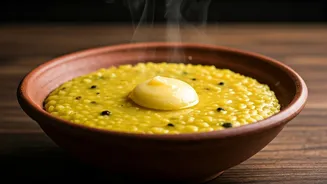
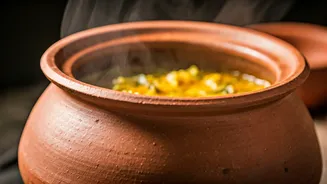
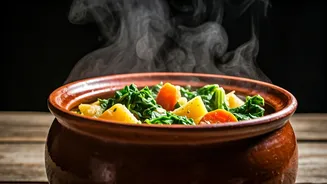
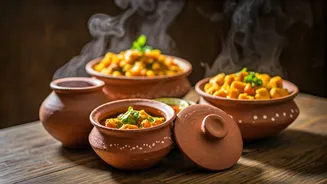
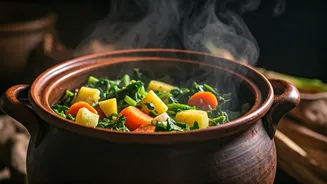
Anyone who has tasted dal or biryani cooked in a clay pot knows it possesses a distinct, earthy flavour that metal utensils cannot replicate. This isn't just nostalgia; it's science. Clay is naturally porous, allowing heat and moisture to circulate evenly
throughout the pot. Instead of the aggressive, fast heat of a metal pan, which can make ingredients bitter, a clay pot cooks food slowly and gently. This process allows spices to bloom gradually, vegetables to stay tender, and meats to remain juicy. The result is a dish with a deeper, more complex flavour profile, as the slow cooking process coaxes out the natural aromas and tastes of the ingredients.
The Health and Wellness Connection
The return to earthen cookware is deeply intertwined with a growing consciousness around health and wellness. One of the most significant benefits is the reduced need for oil. The slow cooking process retains the natural moisture in food, preventing it from drying out and sticking, thus requiring less fat. Furthermore, clay is alkaline in nature. When cooking, it interacts with acidic foods like tomatoes, neutralizing their pH and making the final dish easier to digest. This can be particularly beneficial for individuals with gastric issues. Ayurveda has also long suggested cooking in clay pots for their health benefits, as they help retain the nutritional value of food better than modern cookware. The slow, even heat is less destructive to sensitive vitamins and minerals.
A Cultural Homecoming
This trend is more than just a culinary choice; it's a cultural statement. For many, using clay pots is a way to reconnect with their heritage and the wisdom of previous generations. In an era of rapid globalisation, there's a growing movement to look inward and revive traditional practices that are seen as more sustainable and authentic. The act of cooking in a clay pot—a process that demands patience—is a form of mindfulness, a deliberate slowing down in a fast-paced world. This revival also supports traditional artisans and potters, helping to keep a centuries-old craft alive in the face of mass-produced goods. Several brands and initiatives are now working to bring these handcrafted wares from rural artisans to urban homes, blending traditional techniques with modern design.
Making the Switch: What to Know
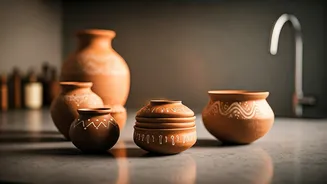
Adopting clay pot cooking is simple, but requires a slight shift in habits. It's crucial to select unglazed clay pots, as some glazed varieties may contain harmful chemicals that negate the health benefits. Before the first use, a clay pot needs to be seasoned, which typically involves soaking it in water and then heating it slowly. These pots cannot withstand sudden temperature changes, so they should always be heated gradually on a low to medium flame. While they may seem delicate, with proper care, a good quality clay pot can last for several years. They are also eco-friendly; being made from the earth, they are fully biodegradable, unlike their metal and coated counterparts.