




The Monsoon's Long Shadow
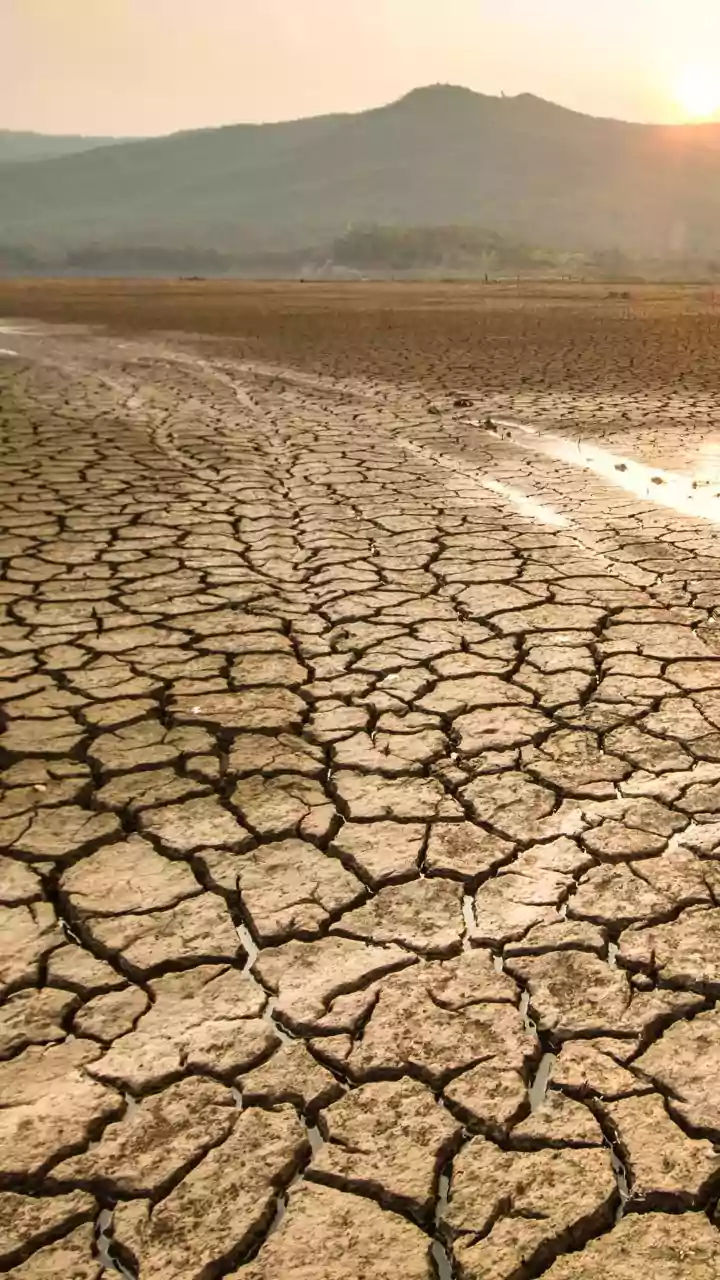
The 2026 southwest monsoon, which officially ended on September 30, has been declared the driest since 2015, with a national rainfall deficit of about 13%. This isn't just a weather report; it's a direct threat to the kitchen budget of millions. A significant
portion of India's agriculture, especially for kharif crops like pulses, is rain-fed. An erratic monsoon with long dry spells, as seen this year, directly impacts crop growth, flowering, and pod formation, leading to lower yields. Several major pulse-growing states have reportedly received up to 30% less rain than average, fueling concerns about domestic output and sparking fears of rising food inflation. This has a direct knock-on effect, as lower production often means higher prices for essential staples like tur (arhar), moong, and urad dal.
The Import Question: A Familiar Fix?
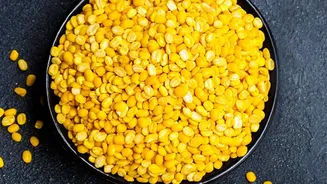
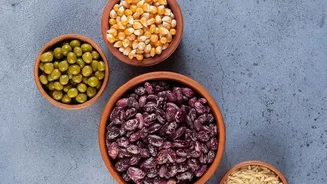
Whenever domestic production is threatened, the conversation in New Delhi quickly turns to imports. The government is already considering lowering import duties on some pulses, such as lentils and yellow peas, to bolster supplies. The logic is straightforward: increasing the availability of pulses by making them cheaper to import should cool down retail prices and prevent hoarding. India is the world's largest consumer and importer of pulses, and in recent years has relied on overseas purchases to meet a significant chunk of its demand. In 2024-25, imports accounted for nearly a quarter of the country's pulse consumption. With demand typically rising during the festive season, the pressure to act quickly is immense.
The Case for Opening the Gates
The primary argument for easing import restrictions is consumer welfare. Pulses are a primary source of protein for a vast portion of the Indian population, and a sudden price spike can severely strain household budgets. With food inflation already a concern, allowing cheaper imports is seen as a rapid and effective tool to manage prices. By increasing the overall supply in the market, the government aims to curb the inflationary trend that a poor harvest can trigger. Duty-free imports for pigeon peas (tur) and black gram (urad) are already in place until March 2027, and extending similar measures to other pulses is now on the table.
The Farmer's Dilemma
However, what provides relief to consumers can be a source of distress for farmers. The timing of imports is critical. If a flood of cheap imported pulses enters the market just as domestic farmers are ready to sell their harvest, it can cause local prices to crash. This creates a painful paradox where farmers, who have already battled a difficult monsoon, receive poor returns for their produce. Agricultural groups often argue for carefully calibrated imports that stabilize prices without undermining the Minimum Support Price (MSP) and discouraging farmers from planting pulses in the future. Some proposals suggest retaining import duties on certain pulses like chickpeas to encourage farmers to expand cultivation for the upcoming rabi (winter) season.
Beyond Imports: Other Tools in the Arsenal
Relying on imports is not the only option. The government has other mechanisms to manage price volatility. It can release pulses from its own buffer stocks to increase market supply. The Price Monitoring Division provides advance feedback to enable policy interventions, and market intervention schemes can be implemented to control prices for specific commodities. Additionally, cracking down on hoarding and speculation, which can artificially inflate prices, is another crucial step. These measures, used in conjunction with a strategic import policy, can create a more balanced response that addresses both consumer and producer interests.
A Recurring Challenge
The annual debate over pulse imports highlights a deeper, long-term issue. India's reliance on a good monsoon makes its food economy vulnerable to climate-related shocks. This year's deficit, linked to developing El Niño conditions, underscores this reality. The ultimate solution lies in building greater resilience within the agricultural sector. This involves a multi-pronged approach: promoting the development and adoption of drought-resistant seed varieties, improving irrigation infrastructure to reduce dependence on rain, and formulating stable, long-term procurement and price support policies. Such strategies are essential to break the cycle of monsoon anxiety and ensure food security for all Indians in the years to come.