
The Monsoon Craving Goes Digital
The scent of petrichor, the rumble of thunder, and the sudden urge for something hot, crispy, and deeply satisfying—this is the essence of the Indian monsoon. For generations, this craving was met with family recipes. Today, it’s being satisfied on Instagram
and YouTube. A new wave of young food creators is bypassing mainstream restaurant fare to document and share the specific, often hyper-local dishes that define the rainy season in their communities. This digital movement is transforming how we experience one of India's most evocative culinary seasons, moving from personal memory to a shared, online cultural experience.
A Hunger for Authenticity
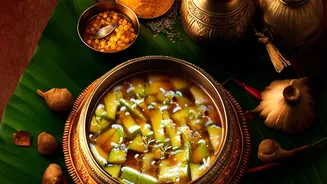
A key driver of this trend is a collective fatigue with generic, 'one-size-fits-all' Indian food. Younger audiences, in particular, are seeking connection and identity through food that feels honest and rooted in a specific place. They're less interested in a perfect-looking butter chicken and more fascinated by a grandmother’s technique for making Pundi Gatti in Karnataka or the specific blend of spices for Karkidaka Kanji in Kerala during the rains. These creators are not professional chefs in sterile studio kitchens; many are home cooks sharing recipes passed down through generations, making the content feel relatable and trustworthy. This quest for authenticity is a rejection of polished, performative cooking in favour of something more real and meaningful.
Nostalgia on a Plate
For many creators and their viewers, these monsoon dishes are steeped in nostalgia. They are the foods of childhood, of holidays spent with grandparents, of comfort during a downpour. By documenting these recipes, young creators are becoming digital archivists, preserving a culinary heritage that has traditionally been passed down orally. In a rapidly urbanizing India where families are often dispersed, a video of a beloved regional dish can feel like a comforting link to home. The act of sharing these recipes becomes a way to celebrate and sustain cultural memory, connecting viewers not just to a flavour, but to a feeling of belonging.
Beyond the Bhajiya and Samosa
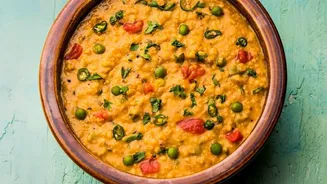
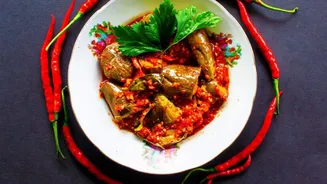
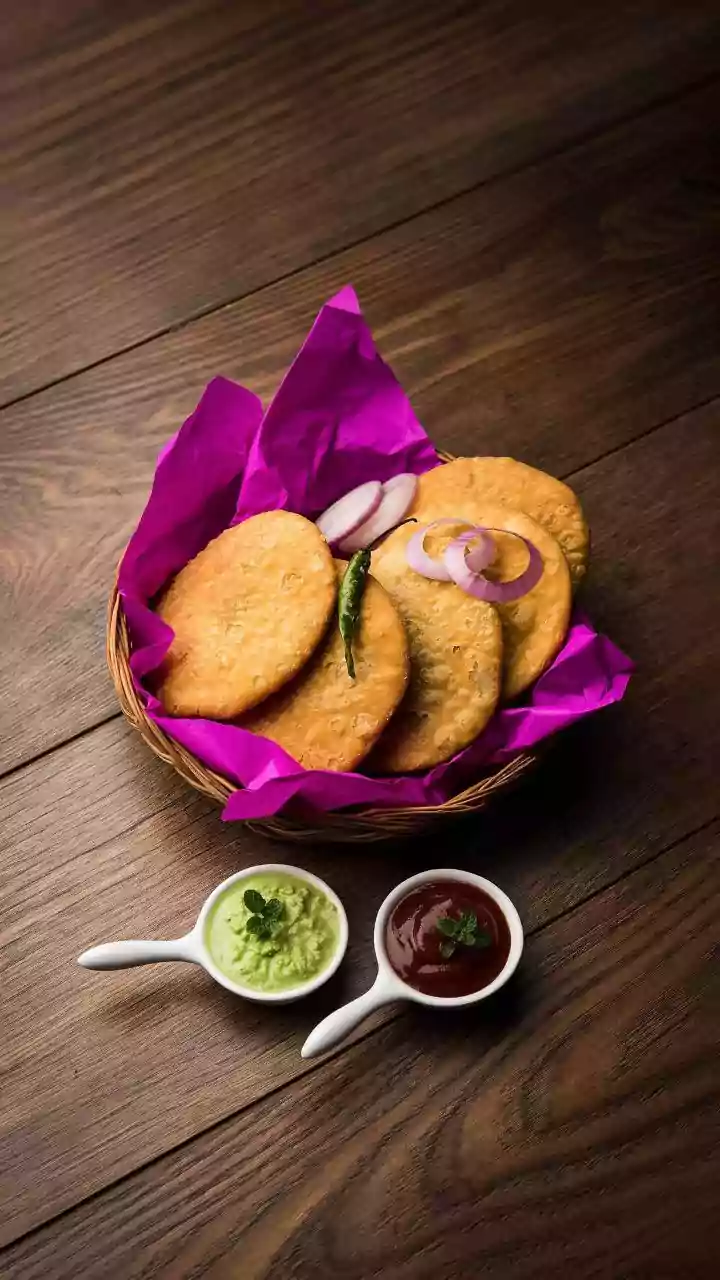
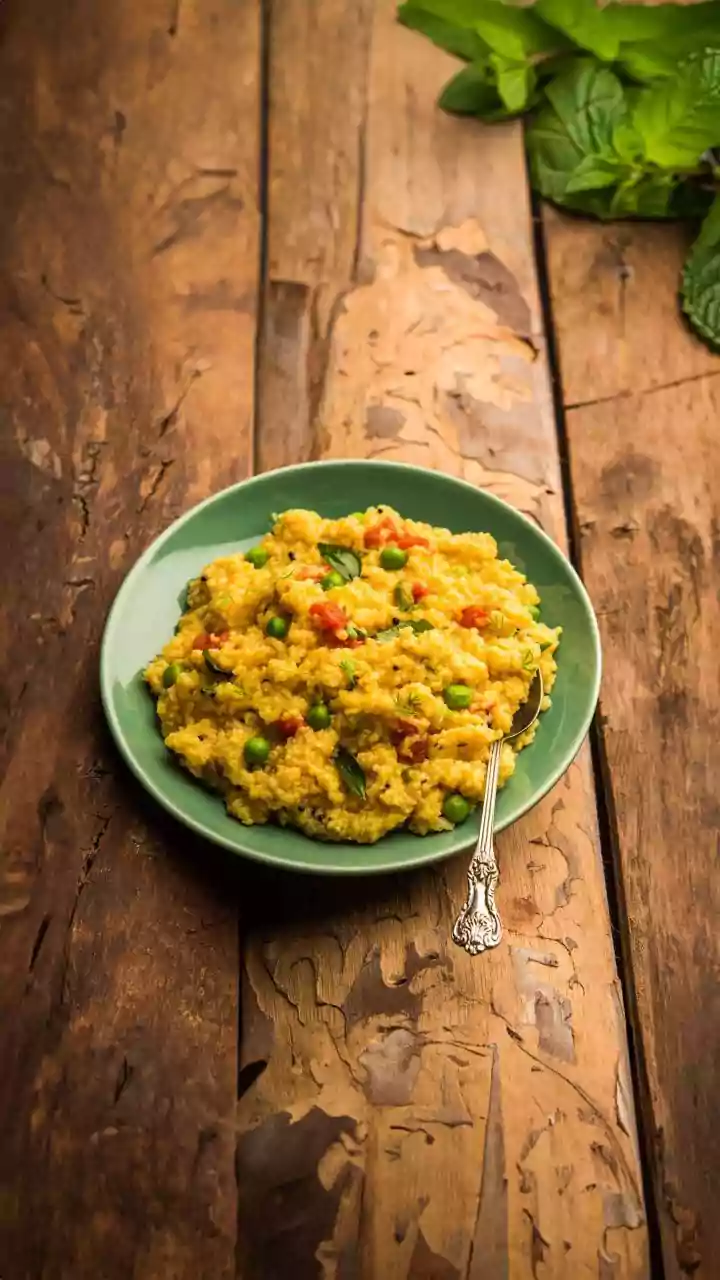
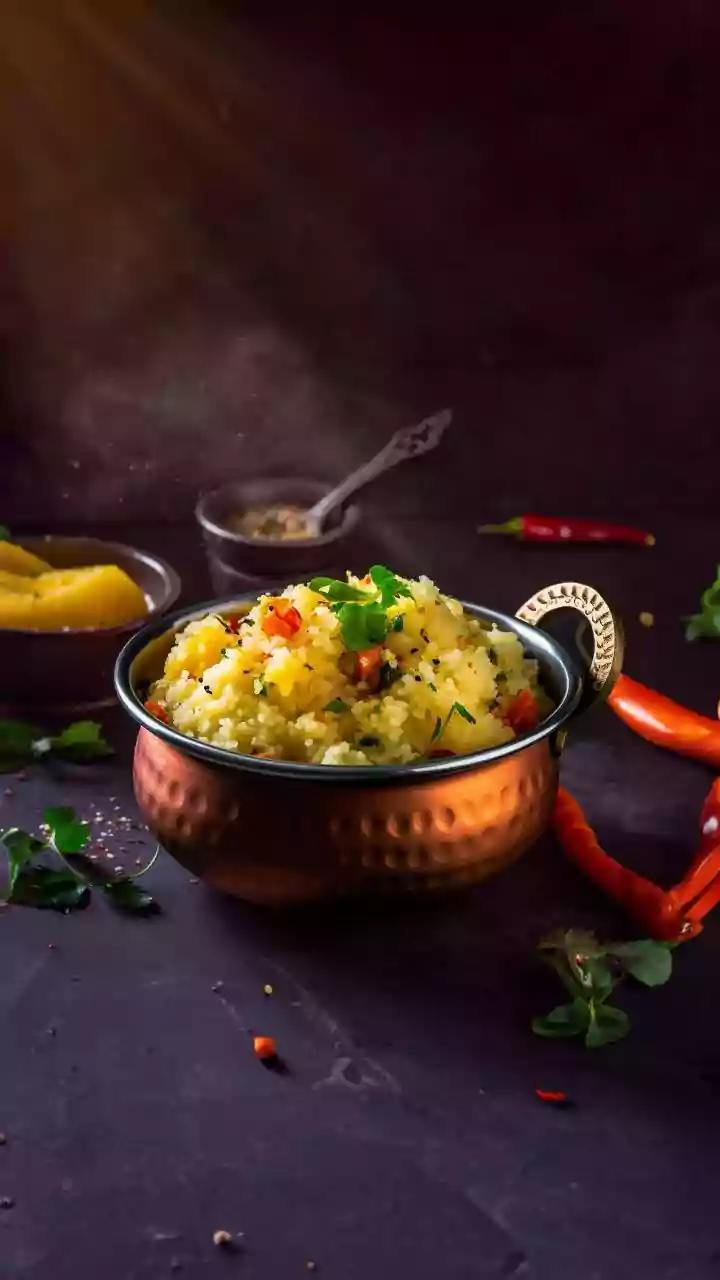
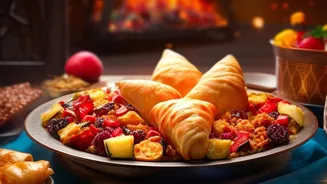
While the classic pakora or samosa will always be a monsoon staple, this new movement is expanding India's online rainy-day menu. Creators are introducing their followers to a much wider array of regional specialties. You might find recipes for West Bengal's Khichuri and Beguni, Tamil Nadu's crispy Egg Bonda, or even Arunachal Pradesh's hearty Paa Saa soup. The visual, short-form format of platforms like Instagram Reels makes these dishes accessible and tempting. The sizzling oil, the slow-motion shot of spices hitting a pan, and the final plated dish make even complex recipes seem achievable, encouraging viewers to move beyond their comfort zones and try something new.
The Power of the Home Cook
This trend also signifies a democratization of food media. For decades, the authorities on food were celebrity chefs or legacy publications. Now, social media has empowered a diverse chorus of voices. A home cook from a small town in Maharashtra can gain a national following for their unique take on monsoon snacks. This shift has not only diversified the content available but has also made it more representative of India's true culinary landscape. It celebrates the idea that expertise isn't just about formal training; it's also found in the lived experience of everyday kitchens across the country.