



What Matters: An Enduring Cultural Romance
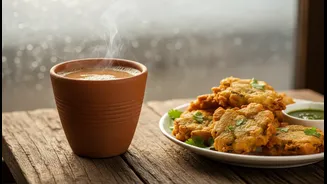
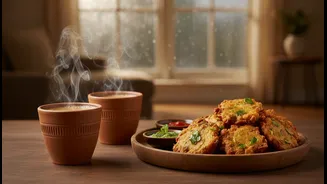
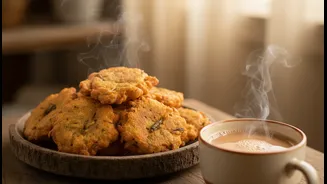
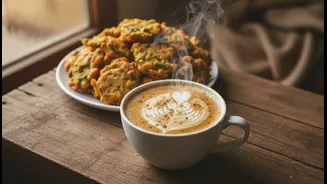
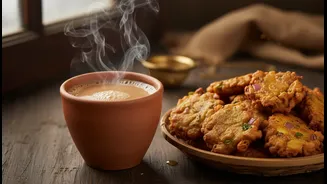
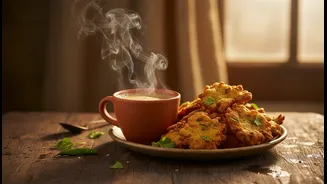
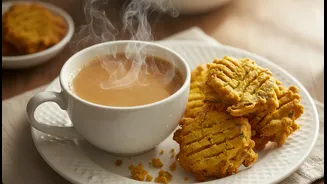
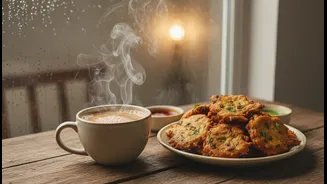
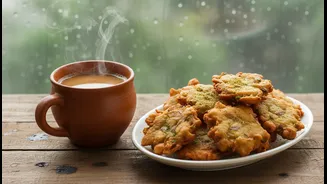
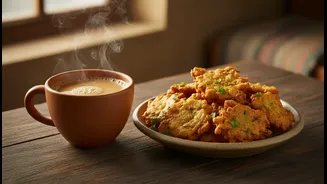
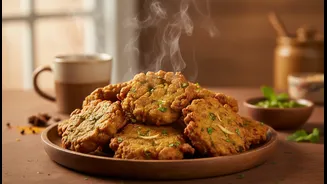
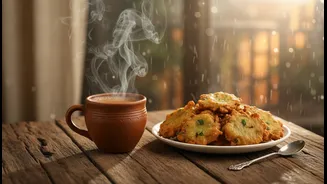
The pairing of chai and pakoras during the monsoon is more than just a snack; it is a cultural ritual steeped in nostalgia and comfort. It’s a sensory experience that brings families and friends together, creating a cozy atmosphere that counteracts the damp,
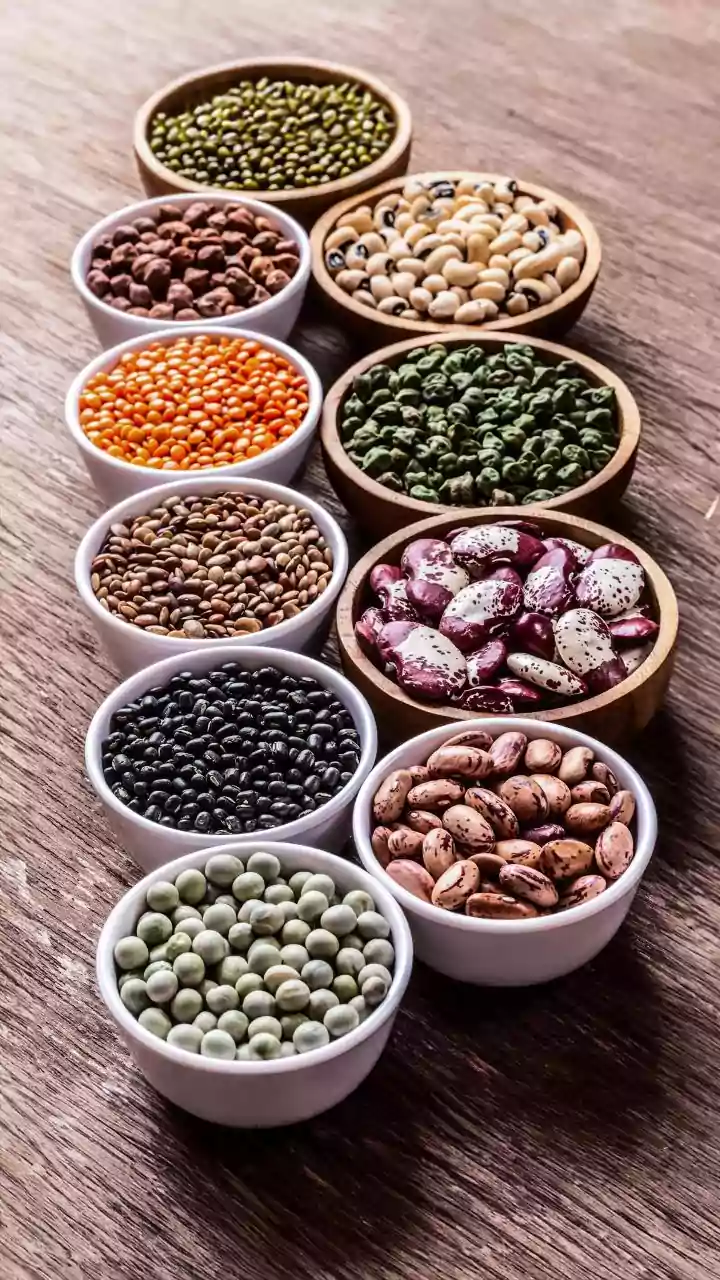
gloomy weather. While the core ingredients are ancient—gram flour has been used for millennia and fritters are mentioned in old texts—the combination itself is a more modern love story. Masala chai was popularized in the 20th century as Indians adapted British tea-drinking habits, and the pairing with pakoras likely became a cultural staple post-independence, cemented by street food culture and Bollywood's romanticism of the monsoon. For many, the aroma of frying pakoras mixed with ginger-spiced tea evokes powerful memories of childhood, making the craving as much about emotion and nostalgia as it is about taste.
What's New: A Modern, Health-Conscious Makeover
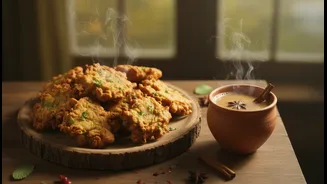
As wellness becomes a priority, the classic deep-fried pakora is getting a contemporary update. The biggest trend is the move away from deep-frying towards healthier cooking methods. Health-conscious foodies are now using air fryers or baking their pakoras to achieve that desired crispiness without the excess oil. There's also innovation in the ingredients. Traditional potato and onion are being supplemented or replaced with a variety of vegetables like zucchini, spinach, sweet potato, and even cauliflower. Some recipes incorporate different flours, like oats, alongside the traditional gram flour (besan) to add nutrients. Even chai is not immune to this trend, with a focus on adding functional spices like ginger, cinnamon, and cardamom, which are known for their immunity-boosting and anti-inflammatory properties. This evolution allows people to indulge their cravings more mindfully.
What Matters: The Science of the Craving
The intense craving for chai and pakoras when it rains is not just in our heads; it's rooted in biology. The lack of sunlight on cloudy days can cause a dip in serotonin, the brain's 'happy hormone'. To counteract this, our body craves carbohydrates, as they help produce more serotonin, providing a brief mood lift. Furthermore, the drop in temperature makes our bodies seek warm, calorie-dense foods to maintain core body temperature, a process known as thermogenesis. The hot, crispy, and spicy nature of pakoras and chai perfectly answers this physiological call. Fried foods, in particular, provide an extra dopamine hit from the combination of fat, salt, and crunch, making the snack feel especially rewarding.
What Remains Unclear: The Health Debate
Despite its emotional and cultural significance, the health implications of this beloved combination remain a topic of debate. While occasional indulgence is considered fine, regular consumption of deep-fried foods can lead to indigestion, acidity, and high cholesterol. Some health experts also point out that tea contains tannins, which can inhibit the body's ability to absorb iron from food, a particular concern when paired with snacks made from iron-rich ingredients like gram flour or spinach. Another issue is the common practice of reusing cooking oil, which can create harmful trans fats. The central question that remains is whether the modern, healthier versions like baked or air-fried pakoras can ever truly replace the satisfaction of the deep-fried original. As people continue to navigate the balance between tradition, comfort, and health, the future of this monsoon ritual continues to evolve.