



The Power of the Humble Chickpea
Often called garbanzo beans, chickpeas are a staple in many cuisines for good reason. They are an exceptional source of plant-based protein and dietary fibre. A single cup of cooked chickpeas provides a significant portion of your daily fibre needs, which
is crucial for digestive health and promoting a feeling of fullness. This high-fibre content helps to regulate blood sugar levels by slowing down the absorption of carbohydrates, preventing energy spikes and crashes. Beyond fibre and protein, chickpeas are loaded with essential micronutrients. They are a fantastic source of manganese, vital for bone health, and folate (vitamin B9), which is crucial for cell function and growth. They also provide iron, magnesium, potassium, and zinc, making them a true nutritional workhorse that supports everything from energy metabolism to immune function.
Avocado's Creamy, Nutrient-Dense Profile
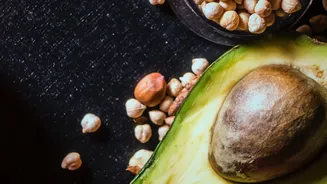
Avocado has earned its 'superfood' status. Its most celebrated feature is its high content of monounsaturated fats, particularly oleic acid, the same heart-healthy fat found in olive oil. These fats are beneficial for cardiovascular health as they can help reduce 'bad' LDL cholesterol levels. But the benefits don't stop there. Avocados are also packed with dietary fibre, contributing to digestive regularity and satiety. They are a great source of potassium, containing more of the mineral per gram than bananas, which is essential for maintaining healthy blood pressure. Furthermore, avocados are rich in a wide array of vitamins, including vitamins K, E, C, and several B vitamins, all of which play critical roles in everything from skin health to protecting the body from oxidative stress.
A Perfect Pair: Why They Work So Well Together
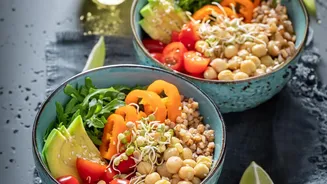
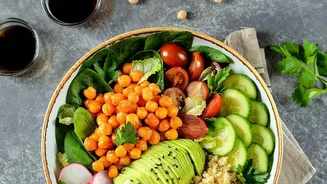
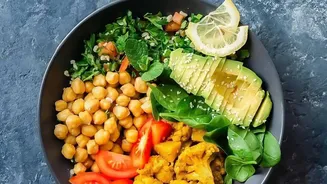
When you combine chickpeas and avocado, their individual strengths are amplified. This pairing creates a powerful synergy for managing hunger and supporting a healthy weight. The combination of protein and fibre from the chickpeas with the healthy fats from the avocado is incredibly satiating, keeping you feeling full and satisfied for longer. This can help curb cravings and reduce overall calorie intake. The healthy fats in avocado also play another crucial role: they help with the absorption of fat-soluble vitamins. When you eat chickpeas and avocado in a salad with other colourful vegetables, the avocado's fat helps your body better absorb vitamins A, D, E, and K from the entire meal. Beyond nutrition, the textural contrast is a culinary delight—the firm bite of the chickpea perfectly complements the smooth, buttery creaminess of the avocado.
Simple and Delicious Ways to Enjoy
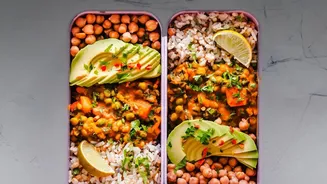
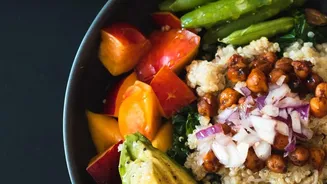
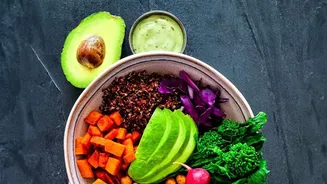
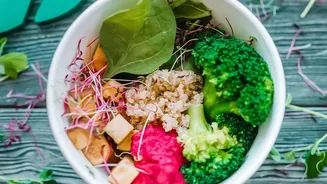
Incorporating this duo into your diet is easy and versatile. One of the most popular methods is creating a 'smashed' chickpea and avocado salad. Simply mash cooked chickpeas with a ripe avocado, add a squeeze of lemon juice, some finely chopped red onion, and fresh herbs like cilantro or parsley. This mixture makes a fantastic sandwich filling, a topping for whole-grain toast, or a dip for fresh vegetables. You can also simply toss whole chickpeas and diced avocado into a green salad with a light vinaigrette for a quick and satisfying lunch. They are excellent additions to grain bowls, mixed with quinoa or brown rice, roasted vegetables, and a flavourful dressing. For a creative twist, try blending them together with tahini, lemon, and garlic to make a creamy, hummus-like dip that is richer and more nutrient-diverse than the traditional version.