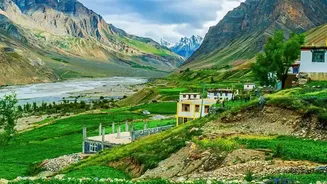


Permits: What Indian Travellers Need to Know
Let's clear this up first: Indian citizens do not need an Inner Line Permit (ILP) or any special tourism permit to visit the main Spiti Valley circuit. This includes popular destinations like Kaza, Tabo, Dhankar, and Key Monastery. The requirement for
Indians was removed years ago to boost tourism. All you need to carry is a valid, government-issued photo ID, such as an Aadhaar card, passport, or driving license. You will need to present this for registration at police checkposts, notably at Sumdo (the entry to Spiti from Kinnaur) and Jangi, but this is a routine check, not a permit application.
Permits for Foreign Nationals
For foreign nationals, the rules are different. A Protected Area Permit (PAP), often referred to as an ILP, is mandatory to travel into the restricted areas of Spiti Valley, which includes the main tourist circuit beyond certain points. This permit is necessary for areas like Tabo, Kaza, and others near the international border. Foreign travellers can usually get this permit from the District Magistrate (DM) or Sub-Divisional Magistrate (SDM) offices in Shimla, Reckong Peo, or Kaza. The process requires a passport, visa, and photographs, and it is best to apply on a weekday during office hours.
Route 1: Shimla to Kaza (NH-05)
The route from Shimla to Kaza via Kinnaur is generally considered the safer and more reliable option during the monsoon months. It allows for gradual acclimatization to the high altitude. While this route remains open for most of the year, August sees it at its most vulnerable to monsoon-related disruptions. Recent advisories for August 2026 highlight that heavy rains can trigger landslides and blockages, particularly on the stretches through Kinnaur district, such as around Nigulsari and Malling Nala. Authorities have issued warnings for August 10 and 11, with over 160 roads reported blocked in Himachal, advising travellers to postpone non-essential mountain journeys. Always check the daily status before starting your journey.
Route 2: Manali to Kaza via Kunzum Pass
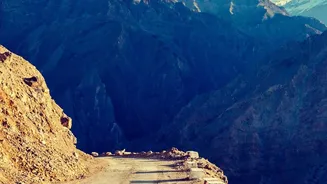
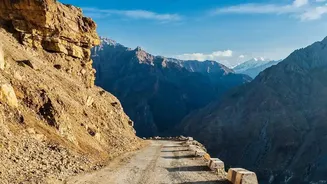
The Manali to Kaza road, while shorter, is a much tougher and more challenging route, especially in the monsoon. This route involves crossing the high-altitude Kunzum Pass (around 14,931 feet) and the notoriously difficult stretch between Gramphu and Batal, known for its water crossings and broken patches. As of mid-2026, the road is open after BRO cleared the snow in late May. However, the monsoon brings a high risk of landslides and flash floods, making this route unpredictable. The water levels in nallahs (streams) are lowest in the morning, so an early start is crucial if you must take this road. Given the current weather alerts, the Shimla route remains the more prudent choice.
Your Monsoon Travel Checklist
A monsoon trip to Spiti demands extra preparation. First, build buffer days into your itinerary. A one-day delay due to a landslide is a common occurrence. Pack waterproof layers and warm clothing, as temperatures can drop significantly, especially at night. Carry a basic first-aid kit, including medication for altitude sickness after consulting a doctor. Ensure your vehicle has good ground clearance and is in excellent condition. Finally, always check with local authorities, your hotel, or reliable online travel forums for real-time road status updates on the day of travel, as conditions in the Himalayas can change in a matter of hours.