




The Familiar, Limited Menu
For years, the Indian restaurant experience, whether in a metro city or abroad, felt comfortingly predictable. The ‘North Indian’ section was a reliable lineup of Punjabi and Mughlai-inspired staples: paneer tikka, dal makhani, and various butter-laden
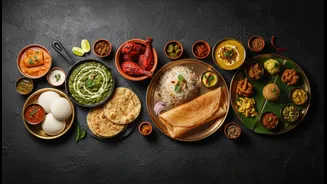
gravies. The ‘South Indian’ offerings were often just as narrow, typically limited to idli, dosa, and vada. This binary, while commercially successful, presented a flattened, incomplete picture of one of the world's most diverse culinary landscapes. It created a stereotype that chefs and diners are now enthusiastically dismantling. The idea that the food of nearly two billion people could be summarised by two broad labels is finally being challenged on the plate.
A Culinary Awakening
So, what’s changing? Several factors are fuelling this shift. A new generation of Indian chefs, some with international training, are returning to their roots. Instead of trying to adapt Indian food for a global palate, they are confidently presenting authentic, regional flavours with pride. Diners, too, have become more adventurous. Increased travel, exposure through social media, and a general curiosity mean customers are actively seeking new experiences. They want food with a story and a connection to a specific place. This has created the perfect environment for lesser-known regional cuisines to move from home kitchens to the forefront of fine dining.
Spotlight on the Regions
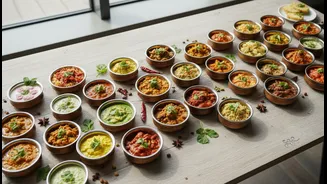
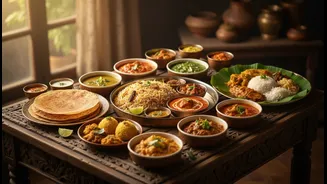
The result is a vibrant explosion of flavour, as restaurants begin to focus on hyper-regional specialities. Instead of just ‘North Indian’, menus now proudly state 'Awadhi', 'Kumaoni', or 'Malvani'. Dishes once rarely seen outside their home states are becoming urban favourites. Think of smoky Naga pork with bamboo shoots, spicy Chettinad curries, Bihari litti chokha, or coastal seafood from Konkan and Kerala. This trend extends beyond just mains. Diners are discovering the unique breads, pickles, and cooking techniques that define each region, from the fermented preparations of the East to the millet-based dishes of Rajasthan and Tamil Nadu.
More Than Just a Meal
This movement is about more than just food; it's a celebration of identity and a reclamation of cultural heritage. By moving past generic labels, the Indian food scene is acknowledging the immense diversity within the country. It challenges the commercial dominance of a handful of cuisines and gives a platform to communities whose culinary traditions have long been overlooked. For many diners, especially those living away from their hometowns, this trend is also driven by a powerful sense of nostalgia. It offers an emotional connection to the comfort of home-style meals, now elevated and presented in a modern dining context. Chefs are not just recreating recipes; they are preserving stories and traditions.