



The Land of Living Architecture
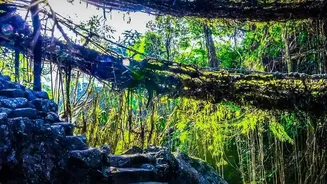
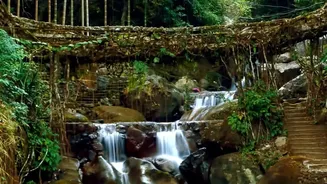
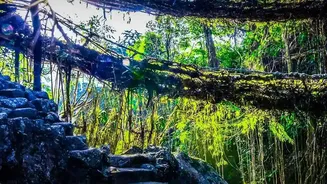
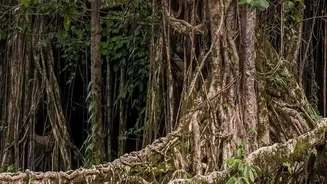
Meghalaya’s most iconic wonders are the living root bridges, or 'Jingkieng Jri'. These are not built, but grown. For centuries, the indigenous Khasi and Jaintia peoples have guided the aerial roots of the Ficus elastica (rubber fig) tree across rivers
and streams, weaving them together to form sturdy, living structures. This remarkable feat of bioengineering can take 15 to 25 years to become fully functional, but the result is a bridge that grows stronger with time, lasting for centuries as long as the host tree remains healthy. These bridges are a testament to a deep, sustainable relationship between the community and the forest, providing vital connections between remote villages, especially during the heavy monsoon season when rivers swell.
The Legendary Double Decker Bridge
The most famous of these structures is the Umshiang Double Decker Living Root Bridge in Nongriat village. Reaching it is an adventure in itself. The journey begins from Tyrna village, from where a challenging trek of approximately 3,500 stone steps descends into the valley. Along the way, you'll cross swaying steel wire suspension bridges over turquoise rivers, building anticipation for the main event. The Double Decker bridge is a sight to behold: two levels of intertwined roots stacked one above the other, estimated to be around 200 years old. It stands as a powerful symbol of generational knowledge and natural ingenuity. After the steep trek, the cool stream flowing beneath the bridge offers a perfect spot to rest and absorb the serene beauty of the forest.
Chasing Sohra's Majestic Waterfalls
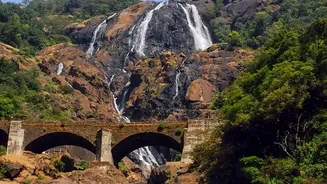
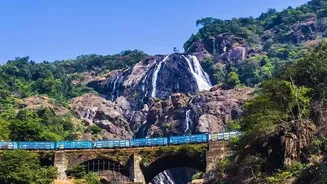
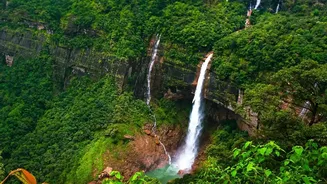
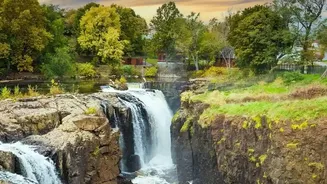
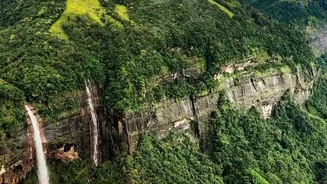
Sohra's high plateau gives birth to some of India's most spectacular waterfalls, which are at their most powerful during the monsoon. The crown jewel is Nohkalikai Falls, India’s tallest plunge waterfall. It cascades from a staggering height of 1,115 feet (340 meters) into a deep, turquoise-green pool below. The viewpoint is easily accessible, but the sight of the single, uninterrupted drop is unforgettable. Another must-see is the Nohsngithiang Falls, popularly known as the Seven Sisters Falls. This seven-segmented waterfall plunges over limestone cliffs, creating a stunning panoramic display, especially during the wet season. Local lore suggests the seven streams represent the seven sister states of Northeast India.
More Watery Wonders to Discover
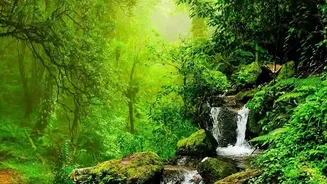
Beyond the two giants, Sohra is dotted with other enchanting falls. Wei Sawdong is a breathtaking three-tiered waterfall where the water has carved beautiful circular pools into the rock. The trek to reach it is steep and involves bamboo ladders, rewarding the adventurous with a truly unique view. Dainthlen Falls, linked to a Khasi legend about the slaying of a giant snake, offers a different experience where you can walk along the riverbed right up to the point where the water drops into the gorge. Each waterfall has its own character and story, making exploration a continuous delight.
Planning Your Meghalayan Adventure
Sohra is easily accessible by road from Shillong, about 54 km away. The best time to visit depends on your preference. For thunderous, powerful waterfalls and lush green landscapes, the monsoon season from June to September is ideal. However, be prepared for rain and potentially slippery trails. For clearer skies, pleasant weather, and more comfortable trekking conditions, the post-monsoon period from October to February is recommended. During these months, the rivers often run a crystal-clear emerald hue. Good-quality footwear with a strong grip is essential for exploring the caves and trekking down the wet stone steps to the root bridges.