







Visa: The First and Final Word
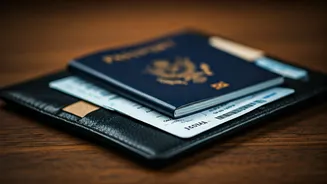
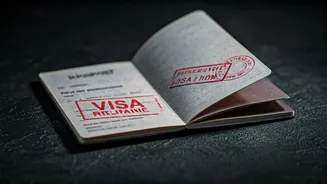
Before booking anything, your first step is understanding the UAE visa process. For most Indian passport holders, a pre-arranged e-Visa is required. While some travellers qualify for a visa on arrival—typically those holding a valid visa or residence
permit from the US, UK, or EU—it's crucial to verify your eligibility on official government websites. Recent reports indicate a rise in visa rejections even for well-prepared applications, often due to stricter documentation rules. Authorities may now require confirmed return tickets and verifiable hotel bookings submitted directly with the application. Never rely solely on a travel agent; double-check that your visa is authentic and approved through official channels before you consider packing your bags.
Flights and the 'OK to Board' Puzzle
Having a valid visa and a flight ticket doesn't always guarantee you can fly. Many travellers from India get a nasty surprise at the check-in counter: the 'OK to Board' (OTB) requirement. This is an airline-specific verification process to confirm the authenticity of your visa, mainly for passengers with e-visas. Airlines like IndiGo, SpiceJet, and Air India Express often mandate this. Without an OTB approval linked to your PNR (booking reference), you will be denied boarding. It is your responsibility to follow up with the airline or your travel agent to ensure this status is updated, typically at least 48 hours before departure. Airlines like Emirates and Etihad generally do not require OTB, but always confirm the policy for your specific flight.
Secure Your Stay, Dodge the Scams
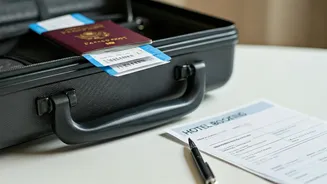
Your hotel booking is another critical checkpoint. With visa rules tightening, authorities may require QR-coded booking confirmations. Always book through reputable platforms or directly with the hotel. Be wary of deals that seem too good to be true, as vacation rental fraud is a common scam where a property doesn't exist or is already booked. After booking, call or email the hotel directly to confirm they have your reservation. Print out the confirmation email. This not only helps with visa applications but also provides peace of mind upon arrival. This simple step can save you from significant stress and potential financial loss from booking on fake or misleading websites.
Insurance is Now Non-Negotiable
While once considered optional, travel and health insurance are now often mandatory for obtaining a UAE visa. As of 2026, many visa applications will be rejected without proof of compliant health insurance coverage. The policy must be valid in the UAE and typically needs to cover emergency medical expenses, hospitalization, and sometimes repatriation. Even if it's not strictly required for your specific entry condition, travelling without it is a huge risk. Healthcare in the UAE is world-class but can be extremely expensive for tourists without coverage. A good insurance plan also protects you against trip cancellations and lost baggage, making it an essential part of your pre-travel checklist.
Final Document Double-Check
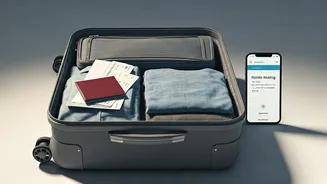
A few days before you fly, create a checklist of every document. Ensure your passport is valid for at least six months from your date of arrival. Have printed and digital copies of your passport, visa, flight tickets (including a confirmed return flight), hotel confirmation, and insurance policy. If staying with relatives, you may need copies of their Emirates ID and rental agreement. Also, be aware of any health declarations required. For instance, India recently re-launched its Air Suvidha portal, requiring all international arrivals to submit an online health form before their flight. A little organisation here prevents a lot of panic at the airport.