
Why Oil Temperature Is Everything
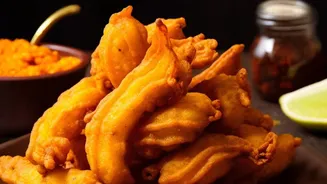
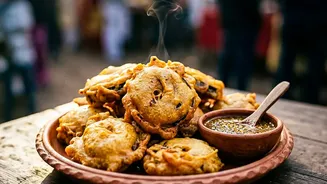
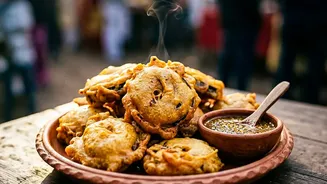
The difference between a perfectly crisp bread pakora and a soggy, oil-logged disappointment comes down to science. When you slide the batter-coated bread into hot oil, the moisture in the batter and bread instantly turns to steam. This escaping steam pushes
outward, creating a pressure barrier that prevents oil from seeping into the pakora. If the oil is not hot enough, this steam barrier is weak, and the pakora acts like a sponge, absorbing excess oil and turning heavy and greasy. Conversely, if the oil is too hot, the outside will burn and form a hard crust before the inside has a chance to cook, leaving you with a raw batter taste. The goal is to find that perfect balance where the outside becomes golden and crispy while the inside steams to soft perfection.
The Golden Temperature Range
For most types of pakoras, including bread pakora, the ideal frying temperature is between 180°C and 190°C (360°F to 375°F). This range is hot enough to create that crucial steam barrier and cook the besan (gram flour) batter thoroughly without burning it. Using a deep-fry or candy thermometer is the most accurate way to ensure your oil is in this sweet spot before you begin frying. Maintaining this temperature is just as important as reaching it. Frying in small batches is key, as adding too many pakoras at once will cause the oil's temperature to drop significantly, leading to greasy results.
Testing Oil Without a Thermometer
If you don't have a thermometer, don't worry. Indian home cooks have been using simple, effective methods for generations. The most common is the batter test: drop a tiny amount of your pakora batter into the oil. If it sizzles, rises to the surface steadily, and turns golden, the oil is ready. If the droplet sinks and stays at the bottom, the oil is too cold. If it rises too quickly and darkens almost immediately, the oil is too hot; you should lower the flame for a minute to let it cool slightly. Another popular technique is using a wooden spoon or chopstick. Dip the tip into the oil. If the oil begins to bubble steadily around the wood, it's at the right temperature for frying. No bubbles mean it’s too cold, while frantic bubbling means it’s too hot.
Maintaining the Perfect Heat
Once you start frying, your job is to become a heat manager. Adding the room-temperature pakoras will inevitably lower the oil temperature. Be prepared to adjust the flame to keep the heat consistent. After frying a batch, give the oil a minute or two to return to the ideal temperature before adding the next one. This small pause makes a huge difference. Also, be sure to use a heavy-bottomed pan or kadai, as they retain and distribute heat more evenly, preventing drastic temperature fluctuations. Finally, keep the oil clean between batches by using a slotted spoon to remove any stray bits of fried batter. These burnt crumbs can impart a bitter taste and cause the oil to break down faster.
Bonus Tips for a Crispier Finish
While temperature is paramount, a few other tricks can elevate your bread pakora game. For an extra-crispy texture, some street vendors and restaurants add a tablespoon or two of rice flour or cornflour to their besan batter. Another pro-tip is to add a spoonful of the hot frying oil into your batter just before you start frying; this helps make the pakoras lighter and reduces oil absorption. When the pakoras are golden brown and cooked through, remove them from the oil and place them on a wire rack instead of a paper towel. This allows air to circulate all around, preventing the bottom from becoming soggy as it cools.