




How They’re Made: Pressure vs. Process
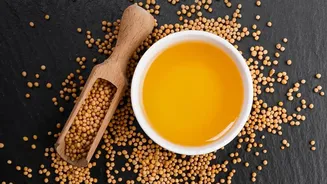
The main difference between cold-pressed and refined oils lies in the extraction method. Cold-pressed oils are made using a simple, mechanical process. Seeds or nuts are crushed and pressed to squeeze out the oil, with temperatures kept low (usually below
49°C). This traditional method, known in India as 'chekku' or 'ghani', is gentle and helps preserve the oil's natural flavour, aroma, and nutritional profile. Refined oils, on the other hand, are built for industrial efficiency. The process often involves high heat and chemical solvents like hexane to extract the maximum amount of oil from the seed. Afterward, the crude oil goes through multiple stages of cleaning, including degumming, neutralizing with caustic soda, and bleaching with activated clay to create a neutral, stable product with a long shelf life. This intensive processing strips away many natural compounds.
The Nutritional Divide
Because they are minimally processed, cold-pressed oils are the clear winner in terms of nutrition. They retain beneficial compounds like antioxidants, phytosterols, and vitamins, such as Vitamin E, which are largely lost during the high-heat refining process. These natural antioxidants help combat cellular damage in the body. Refined oils provide calories but are often stripped of these valuable micronutrients. The aggressive processing, including deodorization at temperatures over 200°C, is designed to create a bland, odourless oil, but it also removes the very nutrients that make the original seed healthy. While not all refined oils are bad, they are certainly less nutritionally dense than their cold-pressed counterparts.
Smoke Point: A Question of Heat
The smoke point is the temperature at which an oil begins to smoke and break down, which can create harmful compounds and a burnt taste. This is where refined oils have a distinct advantage. The refining process removes impurities, giving these oils a higher smoke point, often above 230°C. This makes them more suitable for high-temperature cooking methods like deep frying and searing. Cold-pressed oils generally have a lower smoke point (around 160°C to 190°C) because they still contain natural particles that can burn. Using a cold-pressed oil past its smoke point can destroy its delicate flavour and nutrients. The key takeaway is not that a high smoke point is inherently better, but that it makes an oil better for a specific job.
Which is Better for Heart Health?
For heart safety, the type of fat matters more than anything. Cold-pressed oils, particularly those like mustard oil, are often rich in monounsaturated and polyunsaturated fats, including beneficial Omega-3 fatty acids. A good balance of Omega-3 and Omega-6 fatty acids is crucial for reducing inflammation and supporting cardiovascular health. Because cold-pressed oils retain more of their natural compounds, they are generally considered the more heart-healthy choice for daily, low-heat cooking and raw applications like dressings. While refined oils are stripped of many nutrients, they are useful for high-heat cooking where a cold-pressed oil would break down. However, it's wise to use them sparingly, as some can be high in Omega-6 fatty acids which, in excess, can be inflammatory.
Kitchen Hacks: The Right Oil for the Right Job
Instead of declaring one type of oil 'good' and the other 'bad', the smartest approach is to use both correctly. Use flavourful, nutrient-dense cold-pressed oils for drizzling over salads, making dressings, light sautéing, and adding flavour to finished dishes. Good examples include cold-pressed mustard, groundnut, or sesame oil. For high-heat applications like deep frying or stir-frying, a refined oil with a high smoke point (like refined sunflower or groundnut oil) is a safer and more stable choice. Store your delicate cold-pressed oils in a cool, dark place to protect them from light and heat, which can cause them to go rancid faster. By matching the oil to the cooking method, you get the best of both worlds: flavour and nutrients where they count, and stability where you need it.