





The Humble Powerhouse, Unlocked
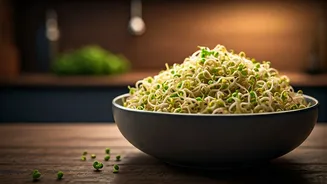
Sprouting is essentially the process of germinating seeds, and it works like a nutritional magic trick. When a seed sprouts, it unlocks stored nutrients to fuel its growth. This process dramatically increases the bioavailability of vitamins like B and C,
and minerals like iron and magnesium, making them easier for your body to absorb. More importantly, sprouting breaks down anti-nutrients like phytic acid and lectins. These compounds, found in raw seeds and grains, can interfere with digestion and block mineral absorption. By sprouting, you are essentially pre-digesting the food, making it gentler on your stomach and nutritionally superior to its un-sprouted counterpart. Think of it as waking up the full potential of the seed.
Choose Your Seeds Wisely
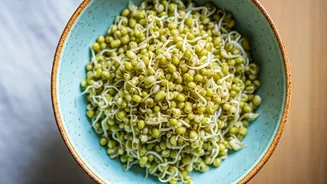
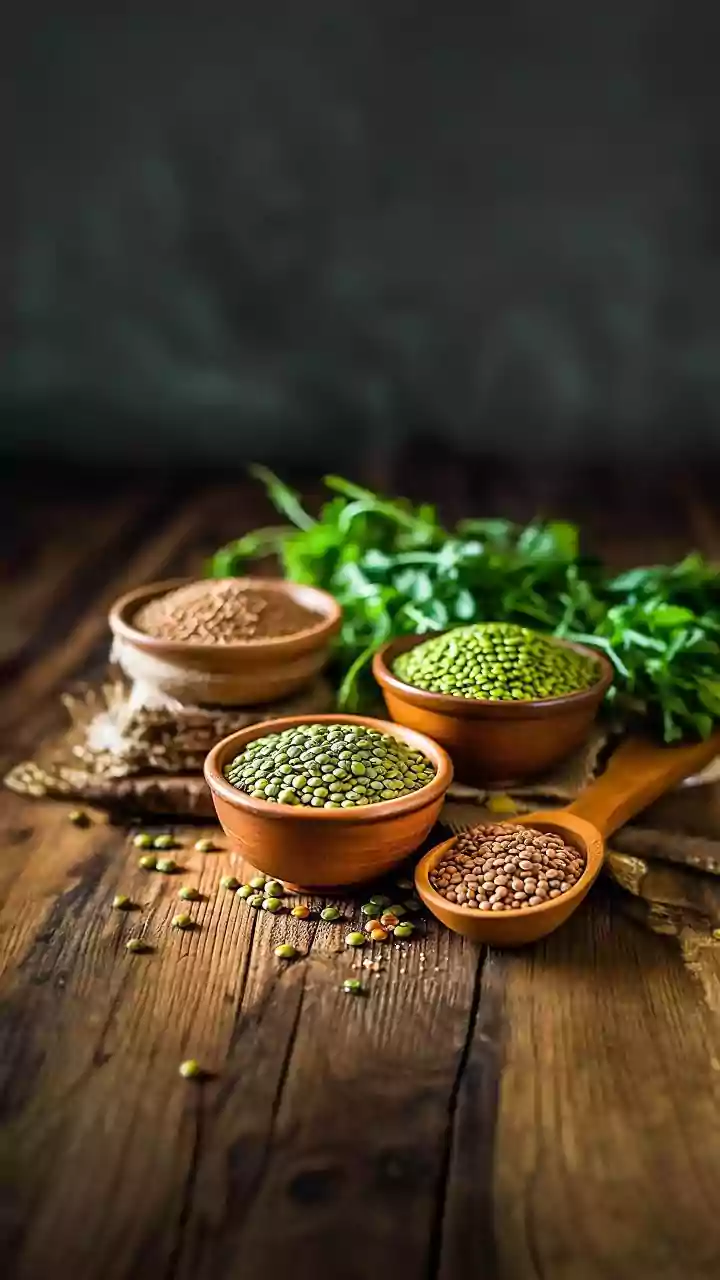
While many seeds can be sprouted, not all are created equal. The easiest and most popular choices for Indian homes are whole moong beans (green gram), moth beans (matki), and black chickpeas (kala chana). These are robust, sprout quickly, and are nutritionally dense. Lentils (masoor) and alfalfa are also excellent choices. However, it's crucial to know what to avoid. Larger beans like kidney beans (rajma) and soybeans should not be sprouted and eaten raw. They contain toxins that are only broken down by thorough cooking. Always start with high-quality, whole, and preferably organic seeds intended for consumption. Avoid seeds treated with fungicides or other chemicals, which are often sold for agricultural planting.
The Crucial Safety Question
Here is the 'smarter' part that many people miss: safety. The warm, humid conditions perfect for sprouting are also perfect for the growth of harmful bacteria like E. coli and Salmonella. This is why store-bought sprouts are often linked to foodborne illness. By sprouting at home, you have more control, but you must be diligent. First, start with clean equipment. Sterilise your glass jar and lid with hot water. Second, rinse the seeds thoroughly before you begin soaking. Use clean, filtered water for soaking and rinsing. Most importantly, rinse your sprouts at least twice a day, ensuring they drain completely. Do not let them sit in stagnant water. Finally, smell your sprouts. They should have a fresh, earthy scent. If they smell sour, musty, or 'off', discard them immediately. When in doubt, throw it out.
Your Simple Sprouting Guide
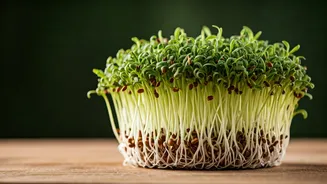
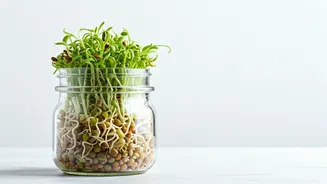
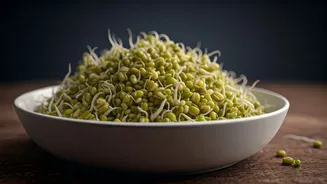
Ready to start? Here’s a foolproof method. 1. **Rinse & Soak:** Take about 1/4 cup of your chosen seeds (like moong). Rinse them well under running water. Place them in a large glass jar and cover with at least three times the volume of water. Let them soak overnight, or for about 8-12 hours. 2. **Drain:** The next morning, cover the jar's mouth with a piece of cheesecloth or a sprouting lid and secure it with a rubber band. Drain all the water out. 3. **Rinse & Drain Again:** Rinse the seeds with fresh water, swirl, and drain completely. This is a key step. Turn the jar at an angle in a bowl to allow for continued drainage and air circulation. 4. **Repeat:** Continue to rinse and drain the sprouts every 8-12 hours (twice a day is usually sufficient). Keep the jar out of direct sunlight but in a warm spot in your kitchen. 5. **Harvest:** In 1-3 days, depending on the seed and temperature, your sprouts will be ready! You’ll see little tails emerge. Give them a final rinse, drain them as dry as possible, and they are ready to eat.
Beyond the Raw Salad
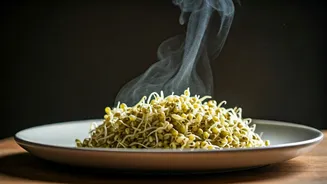
While raw sprouts in a salad are great, you can be smarter with their consumption. For those with sensitive digestion, lightly steaming or blanching the sprouts for just a minute can make them even easier to digest without significant nutrient loss. It’s also a safer way to consume them. Think beyond the kachumber salad. Add a handful of sprouts to your poha or upma in the last few minutes of cooking. Blend them into the batter for dosa or cheela for a protein boost. Stir them into soups, dals, and curries right at the end for added texture and nutrition. A moong sprout stir-fry with ginger, garlic, and turmeric is not just delicious, but a powerhouse of health.