
The Danger Zone Explained
The most important concept in food safety is the “danger zone.” This is the temperature range where bacteria can grow most rapidly. According to food safety experts, this zone lies between 4°C and 60°C (40°F and 140°F). When perishable food sits at any
temperature within this range, harmful bacteria like Salmonella and E. coli can double in as little as 20 minutes. The goal of both refrigeration and proper reheating is to keep food out of this danger zone as much as possible. Leaving food on the counter to cool before putting it in the fridge is a common mistake that allows it to spend too much time in this hazardous range.
The Two-Hour Rule
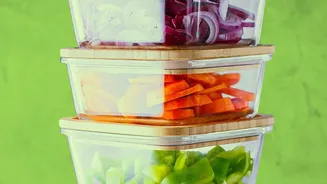
Time is the other critical factor. The widely accepted guideline is the two-hour rule. Cooked food should not be left at room temperature for more than two hours. If the ambient temperature is high, such as above 32°C (90°F), that window shrinks to just one hour. This includes the time the food spends on the dinner table. After this period, the food may have developed enough bacteria to be unsafe, even if it looks and smells perfectly fine. To stay safe, get your leftovers into the refrigerator promptly. Storing them in shallow, airtight containers helps them cool down faster, minimising time spent in the danger zone.
The Golden Number for Reheating
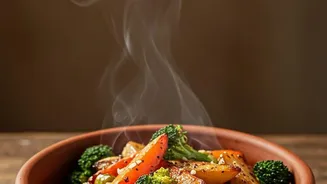
When you're ready to eat your leftovers, simply warming them up isn't enough. To kill any bacteria that may have developed during storage, food must be reheated to a uniform internal temperature of 74°C (165°F). The only reliable way to confirm this is with a food thermometer. For liquids like soups, sauces, and gravies, a good visual cue is to bring them to a rolling boil. Regardless of the reheating method—oven, stovetop, or microwave—the key is to ensure the heat penetrates the entire dish, leaving no cold spots where bacteria can survive.
Best Practices for Your Kitchen
Different methods work best for different foods. When using a microwave, cover the food to retain moisture and ensure it heats evenly. It's also important to stir the food midway through or rotate the dish. For ovens, setting the temperature no lower than 162°C (325°F) is recommended to get the food through the danger zone quickly. The stovetop offers great control for even heating, especially for soups and stews. However, you should not use slow cookers or chafing dishes to reheat food; they are designed for holding already hot food and may not heat leftovers quickly enough to be safe.
How Many Times Can You Reheat?
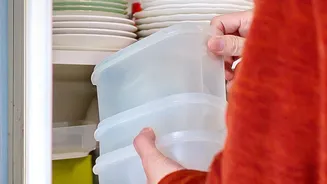
Ideally, you should only reheat food once. Each time you cool and reheat a dish, it passes through the temperature danger zone again, increasing the opportunity for bacterial growth. This process can also degrade the quality and texture of your food. A safer practice is to only reheat the portion you plan to eat immediately. If you have a large batch of leftovers, portion it out before refrigerating or freezing. That way, you can thaw and reheat only what you need, keeping the rest safely stored until you're ready for another meal.