






A New Dawn for an Old Habit
For decades, the Indian morning walk was a predictable scene: uncles in track pants debating politics, aunties in salwar-kameez power-walking in groups, and the occasional serious jogger. It was a ritual, as reliable as sunrise. But in the post-pandemic
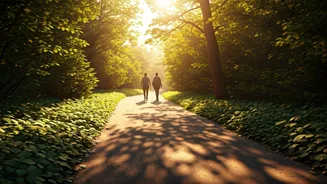
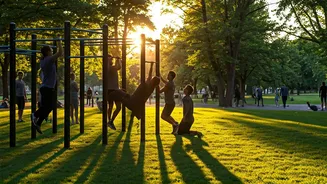
landscape, this familiar picture is being redrawn. The participants are changing, and so are their motivations. The revival isn't just about more people walking; it's about *who* is walking and *why*. Young professionals, college students, and even teenagers are lacing up their sneakers before the city fully wakes, transforming public parks and waterfronts into multi-generational wellness hubs. This isn't your grandfather's morning walk anymore. It's a modern, intentional, and surprisingly trendy phenomenon.
The Post-Pandemic Push for Simplicity
What’s driving this resurgence? A significant factor is a collective recalibration of health that occurred during the pandemic. Stripped of access to gyms and structured classes, millions rediscovered the simple, democratic, and free pleasure of walking. This back-to-basics approach has stuck. For many, it’s a deliberate rejection of the high-cost, high-intensity, and often intimidating gym culture. A morning walk offers a low-impact, sustainable form of exercise that requires no membership, no special equipment, and no complex routine. It's also a powerful tool for mental clarity. In an era of digital overload and constant connectivity, an hour of walking provides a precious, screen-free window to think, de-stress, and connect with the physical world before the day's chaos begins.
Beyond Fitness: The Social Stroll
Another surprising element of this revival is its strong social component. While solo walks for mindfulness are popular, many are using the time to rebuild social connections. New-age walking clubs, organised spontaneously over WhatsApp and Instagram, are mushrooming in cities like Mumbai, Bengaluru, and Delhi. These aren't just about covering kilometres; they're about finding your tribe. Groups plan themed walks, explore new neighbourhoods, and often end their sessions with a visit to a local chai or filter coffee spot. This blend of fitness and community offers a powerful antidote to the urban isolation that many, particularly young people and new city transplants, experience. It’s a low-pressure way to meet people with shared interests, turning a solitary activity into a shared journey.
From Parks to Podcasts
While the act of walking is ancient, the modern morning walk is distinctly tech-enabled. The silent, meditative walk is now just one option. Earbuds are nearly as common as walking shoes, piping in everything from guided meditations and motivational podcasts to audiobooks and curated music playlists. Fitness trackers and smartwatches provide instant gratification, logging steps, tracking heart rates, and creating a gentle sense of competition, either with oneself or with friends in a digital group. This layer of technology makes the walk more engaging and customisable. You can use the time to learn a new language, catch up on the news, or simply get lost in a compelling story, all while getting your daily dose of exercise.
A Step Towards Better Cities?
The groundswell of walkers is also a quiet form of civic feedback. As more people take to the streets, they become more aware of their urban environment—the quality of footpaths, the safety of streets, and the accessibility of green spaces. This renewed appreciation for pedestrian life is putting a soft pressure on municipal bodies to improve public infrastructure. The demand for well-maintained parks, clean walking tracks, and safe, walkable neighbourhoods is growing louder. The revival, therefore, is more than a wellness trend; it's a reflection of what citizens want their cities to be: healthier, more social, and more human-centric.