



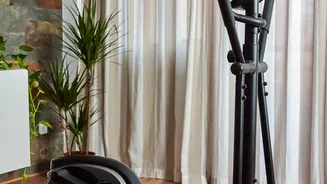

Finding time and space for fitness can be a challenge. But what if one of the most effective workouts required no gym, no fees, and could be done in your living room? At-home walking is a simple, powerful tool for your health.
The Underrated Power of Walking Indoors
Walking is often dismissed
as 'too easy' to be a serious workout, but its benefits are significant. Regular walking is a low-impact cardiovascular exercise that's gentle on the joints, making it ideal for beginners or those with arthritis. It improves heart health, helps lower blood pressure, reduces the risk of type 2 diabetes, and strengthens bones. Beyond the physical, walking is a proven stress reducer. A daily walk can boost your mood by releasing endorphins, improve sleep quality, and even strengthen your immune system. The best part about doing it at home? It removes common barriers like bad weather, unsafe streets, or lack of time. It's a convenient, safe, and controlled environment where you can exercise anytime.
How to Get Started Today
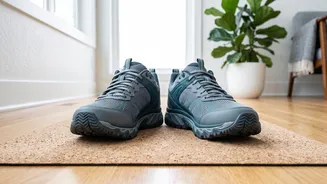
Starting an at-home walking routine is incredibly simple. You don’t need any special equipment, though a good pair of supportive shoes is recommended to prevent injury. If you're new to exercise, begin with short sessions of 10-15 minutes and gradually increase the duration as you get comfortable. You can simply walk in place or create a small circuit around your room. Many people follow along with free online videos, which offer structured routines with music and instructors to keep you motivated. The key is to start slow and build momentum. The goal is consistency, aiming for about 30 minutes on most days of the week to reap the full cardiovascular benefits.
Turn Up the Intensity, Not the Volume
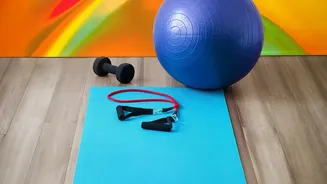
Once you've established a routine, you can easily make your indoor walk more challenging without needing a treadmill. Interval training is a highly effective method: alternate between a moderate pace for two minutes and a brisk, fast-paced walk for one minute. You can also incorporate different movements to engage more muscles. Try bringing your knees up high, doing butt kicks, or adding arm swings to engage your upper body. Introducing light hand weights or resistance bands for exercises like bicep curls or shoulder presses while walking can further boost strength. Even small changes, like climbing a flight of stairs in your building or incorporating squats and lunges into your walking circuit, can significantly increase the intensity and benefits.
Common Mistakes to Avoid
To get the most out of your walk and prevent pain, be mindful of your form. A common mistake is looking down, which strains your neck and back. Instead, keep your head up, as if a string is pulling you tall from the crown of your head. This helps keep your core engaged and your posture aligned. Another frequent error is overstriding—taking steps that are too long in an effort to go faster. This can put stress on your knees. Focus on taking quicker, shorter steps instead. Also, avoid swinging your arms wildly; they should move from the shoulder, not the elbow, in a controlled manner. Finally, make sure your footwear provides adequate support to avoid issues like foot slap or other alignment problems.
Staying Motivated for the Long Haul
The biggest challenge with any fitness routine is sticking with it. To stay motivated, try multitasking during your walk. Listen to a podcast, catch up on a TV show, or create an energizing music playlist. Setting small, achievable goals, like adding five minutes to your walk each week, can provide a sense of accomplishment. Tracking your progress with a smartphone app or a simple journal can also be a powerful motivator. Some people find it helpful to walk at the same time every day to build a habit. Ultimately, find what makes the activity enjoyable for you. Remember that every step you take is an investment in your longterm health and wellbeing.