


A Tale of Two Rivers
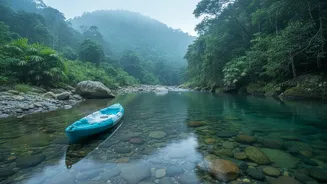
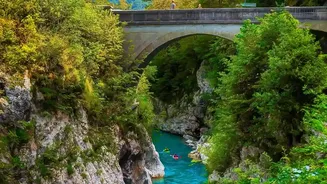
Meghalaya, the 'Abode of Clouds', is globally famous for the Umngot river in Dawki, where boats appear to float in mid-air on its transparent waters. This pristine beauty is a massive draw for tourists and the lifeblood of the local economy. However,
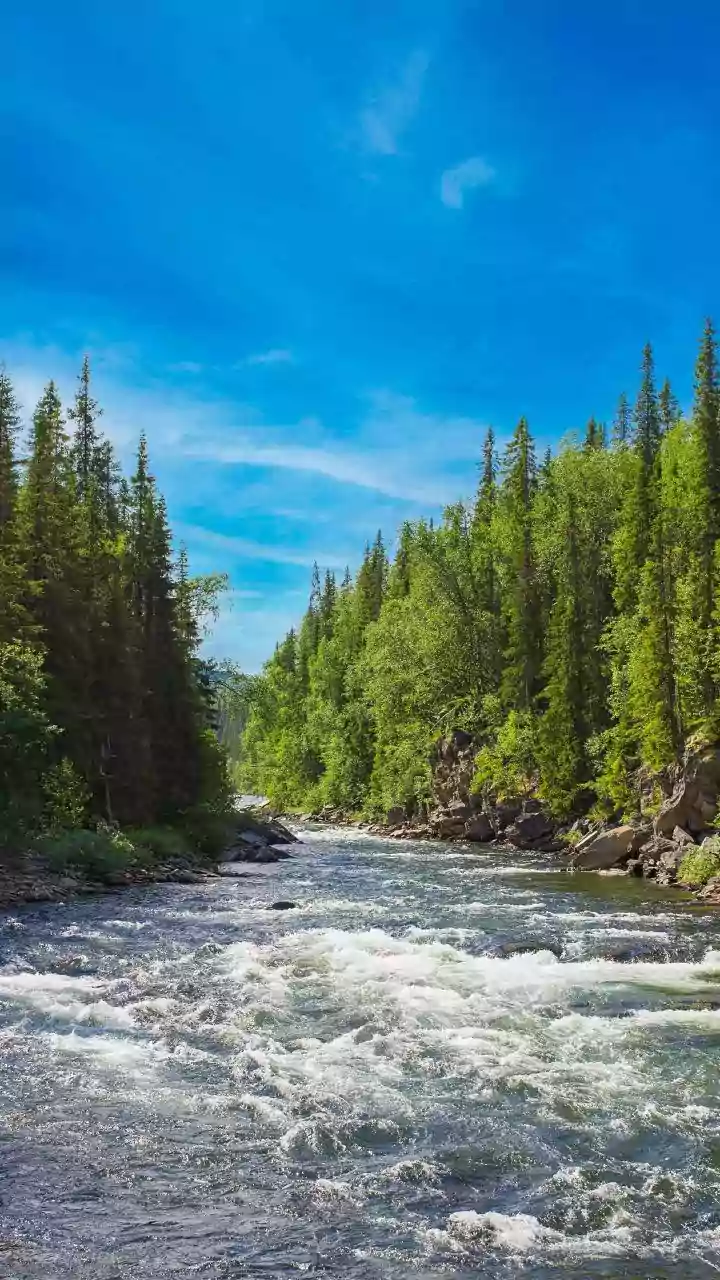
a starkly different reality exists in the state's capital, Shillong. The once-proud Wah Umkhrah and Umshyrpi rivers, which flow through the city, have been heavily burdened by pollution from urban waste and sewage. This pollution not only creates an eyesore and a health hazard but also kills aquatic life and undermines the very 'nature-based' appeal that defines Meghalaya's tourism sector. The contrast between the celebrated Umngot and the struggling Wah Umkhrah highlights a critical challenge: how to protect the state's most valuable natural assets from degradation.
Paddles, Purpose, and Plastic Bags
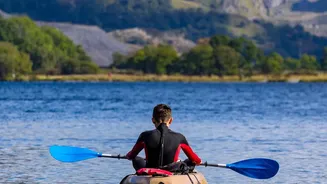
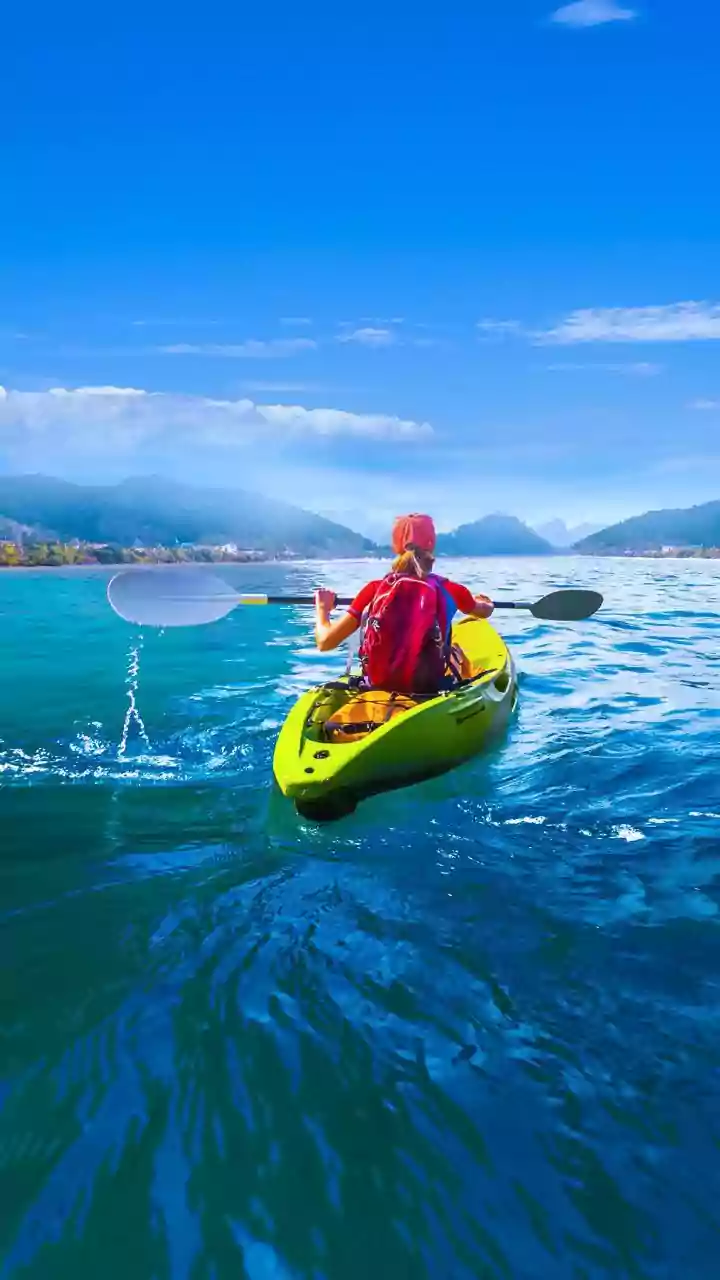
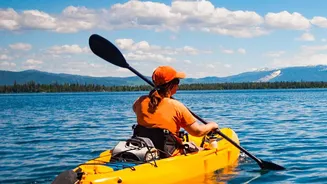
In response, a novel form of environmental activism has emerged: river-cleaning kayaking initiatives. Spearheaded by local community groups, youth organisations like 'Make Someone Smile', and supported by the district administration, these events mobilise volunteers to paddle along polluted river stretches. Armed with nets and collection bags, kayakers physically remove tonnes of floating debris, primarily plastic bottles, wrappers, and other non-biodegradable waste that choke the waterways. These clean-up drives, sometimes called 'Kayaking for a Cause', are more than just a one-day event. They are a powerful, visual statement. The sight of citizens actively cleaning their own rivers creates immediate and widespread awareness about the scale of the pollution problem, making the environmental cost of improper waste disposal impossible to ignore.
The Engine of Sustainability
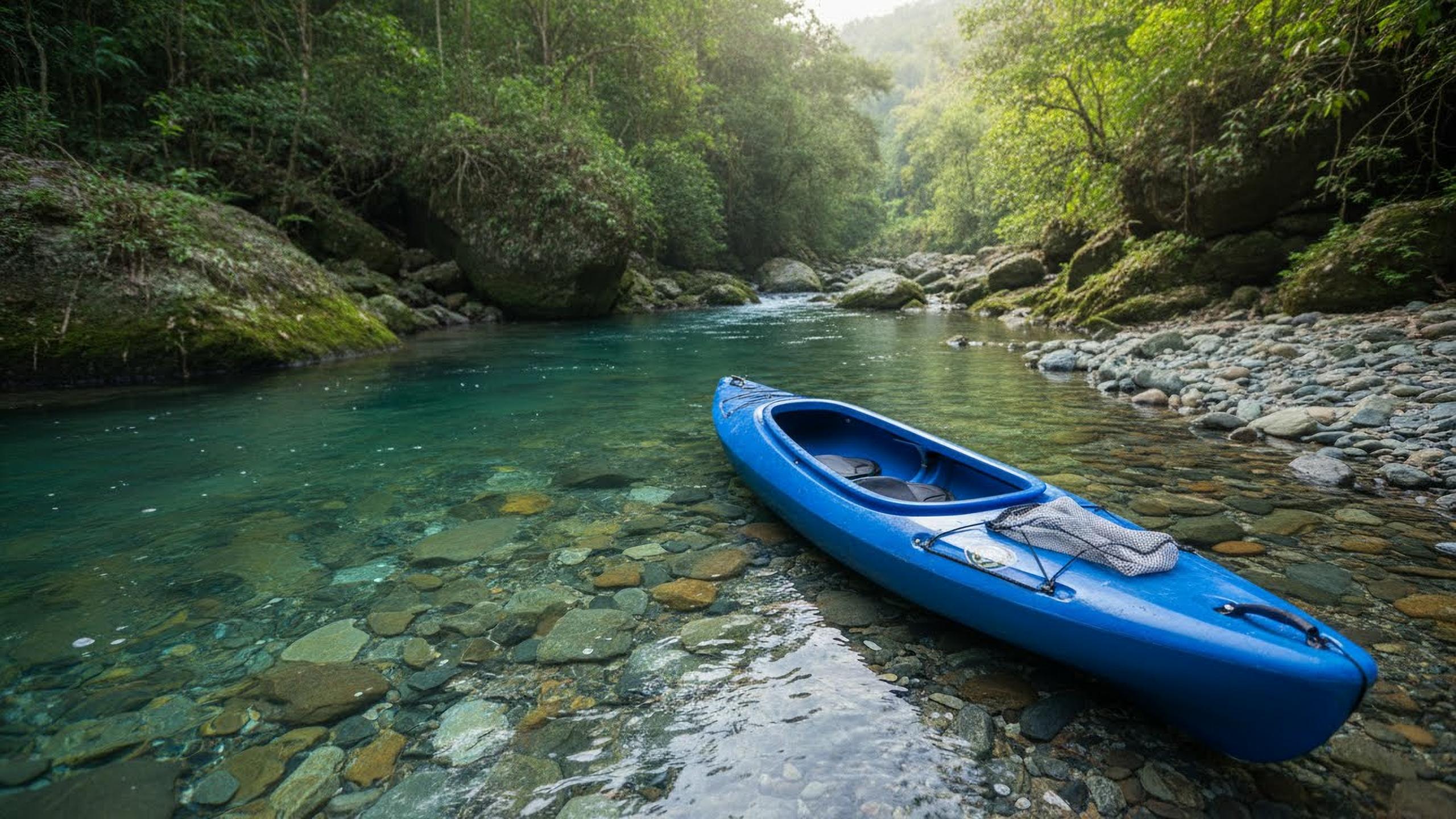
The true genius of this model lies in how it creates a self-reinforcing cycle of sustainability. First, it directly involves the community. When local youth and residents participate, it fosters a profound sense of ownership and responsibility for their environment. This grassroots engagement is crucial for long-term change, as it shifts mindsets from passive complaint to active stewardship. Second, it builds a direct link between a clean environment and economic prosperity. A cleaner river becomes a more attractive venue for recreational activities, including commercial kayaking and boating tours. This creates employment for local guides and entrepreneurs, giving them a direct financial stake in maintaining the river’s health. The cleaner the river, the more tourists it attracts, and the more the local community benefits, creating a powerful incentive to prevent future pollution.
From Clean-Up to a Cleaner Economy
The impact of these initiatives ripples far beyond the riverbanks. By highlighting the problem of waste, they put pressure on and create public support for better civic infrastructure, including improved solid waste management systems and the prevention of illegal dumping. These efforts complement larger government projects, such as the use of AI-powered robotic boats to clean Umiam Lake and the installation of trash traps to intercept waste before it spreads. For the eco-tourism sector, the benefits are immense. Clean rivers enhance the overall visitor experience, leading to better reviews, longer stays, and a stronger brand reputation for Meghalaya as a truly 'green' destination. Tourists are increasingly seeking authentic and responsible travel experiences, and the opportunity to participate in or witness such conservation efforts adds a layer of meaningfulness to their trip that a simple sightseeing tour cannot match.