
The Science of a Perfectly Puffed Roti
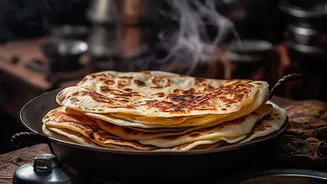
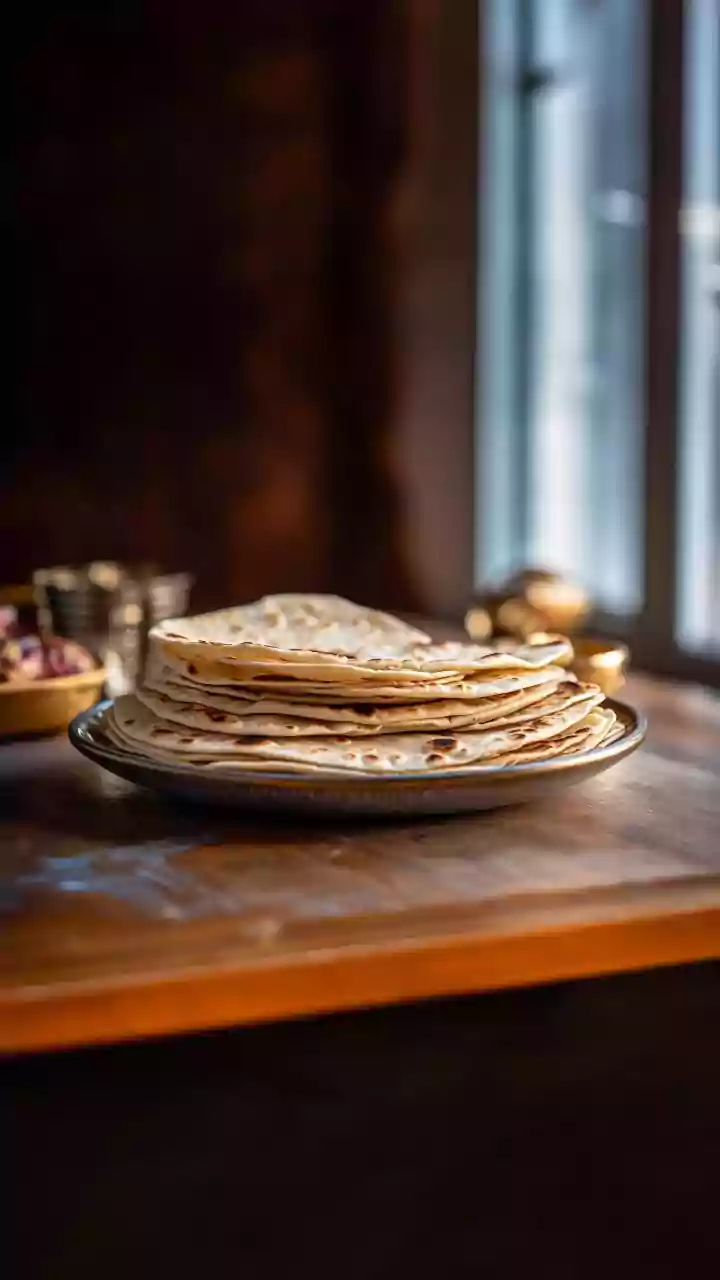
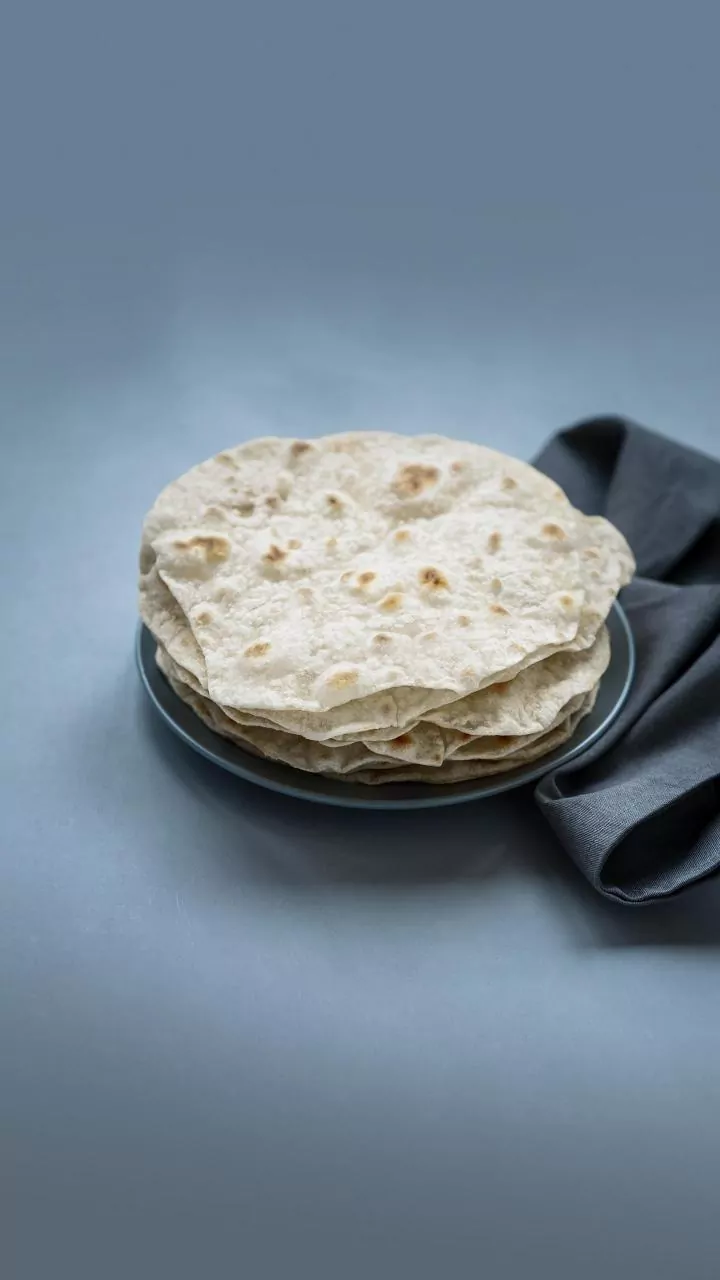
The magic of a soft, puffed-up roti, or phulka, lies in a simple scientific principle: steam. When a well-rolled roti hits a hot pan, the two layers of dough quickly seal. The moisture trapped inside the dough turns into steam, and this expanding steam forces
the layers apart, causing the roti to balloon. This rapid inflation cooks the roti from the inside out, creating a light, airy texture. However, this entire process is critically dependent on temperature. The heat needs to be intense enough to create steam instantly but controlled enough not to burn the dough before it has a chance to puff. Cooking at the wrong temperature is a primary reason why rotis can turn out hard or fail to puff.
The Problem with a Tawa That’s Too Cool
Patience might be a virtue, but not when preheating your tawa. Placing a roti on a pan that isn’t hot enough is a common mistake that leads to disappointing results. If the tawa is too cool, the cooking process slows down dramatically. Instead of instantly turning to steam, the moisture within the dough slowly evaporates. This gradual drying process results in a roti that is dense, chewy, and hard, sometimes resembling a papad. Without the rapid burst of heat, the outer layers don't seal quickly enough to trap the steam needed for puffing. The roti ends up cooking for a longer time, becoming overcooked and stiff before it ever gets a chance to inflate.
The Danger of a Pan That’s Too Hot
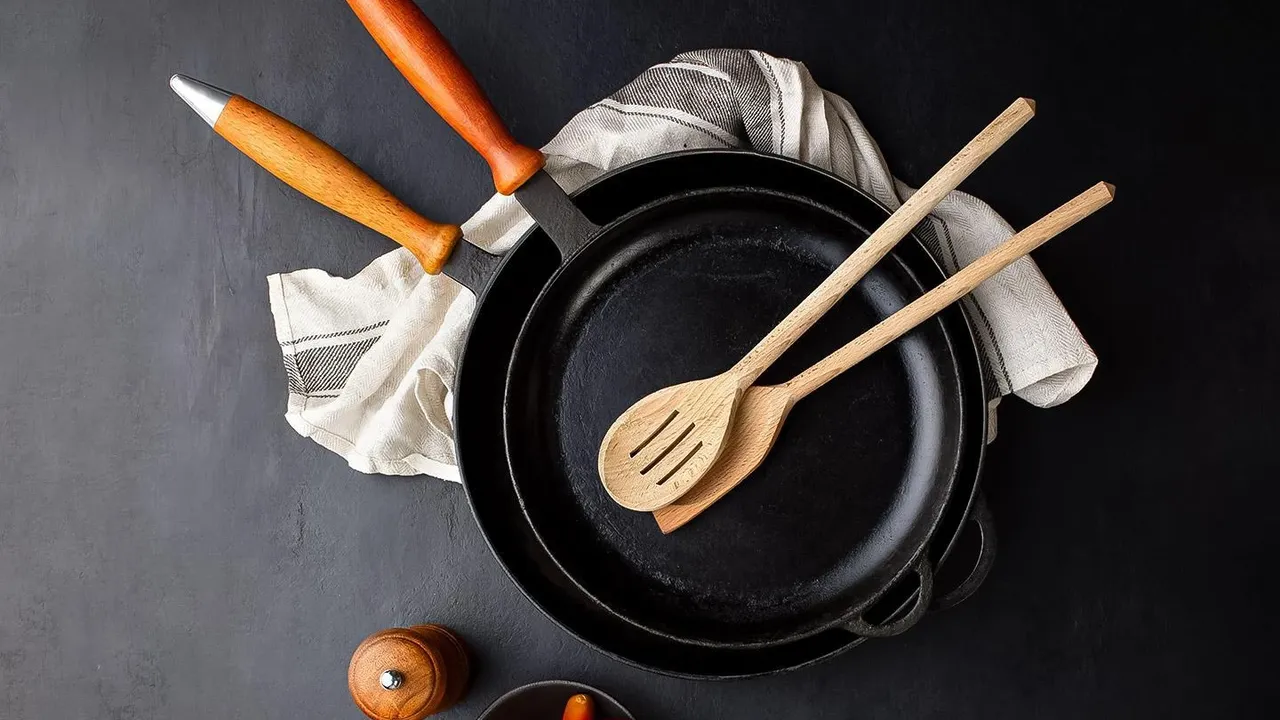
On the other end of the spectrum, a scorching hot tawa presents its own set of problems. While high heat is necessary, excessive heat will burn the roti's surface before the inside is properly cooked. You’ll see dark brown or black spots appear almost immediately, but the interior will remain dense and raw. This premature charring prevents the dough from cooking evenly and kills any chance of it puffing. The intense, uncontrolled heat can also cause excess dry flour on the roti to burn, creating a bitter taste and causing subsequent rotis to stick. Materials like cast iron retain heat very well, and if the flame is too high, the pan can quickly become overheated, leading to burnt rotis even on a low flame setting.
Finding the ‘Goldilocks’ Temperature
The ideal temperature for making rotis is a medium-high heat. The tawa should be hot enough to make the roti sizzle on contact but not so hot that it smokes or burns the flour instantly. A reliable way to test the temperature is the water drop test: sprinkle a few drops of water onto the tawa. If they sizzle and evaporate within a few seconds, the pan is ready. If they evaporate instantly with a loud crackle, it's likely too hot, so you should lower the flame for a moment. If the water just sits there and slowly steams, the pan is too cold and needs more time. For most gas stoves, preheating a tawa for 2-4 minutes on a medium-high flame is usually sufficient to reach this perfect state.
Technique and Temperature Go Hand-in-Hand
While getting the temperature right is crucial, it works in tandem with other techniques. A well-kneaded and rested dough is more pliable and puffs better. Rolling the roti evenly is also essential; if some parts are thicker than others, they will cook unevenly and hinder the puffing process. The popular three-flip technique—a short cook on the first side, a longer cook on the second until brown spots appear, and then a final flip to press and puff—relies entirely on a consistently hot tawa to work effectively. Some cooks finish the roti directly on a gas flame to guarantee a full puff, a step that is only possible after the initial cooking on a properly heated tawa.