


The Rise of a South Indian Classic
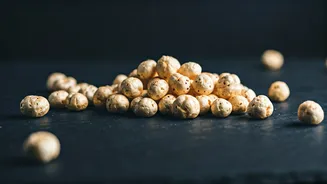
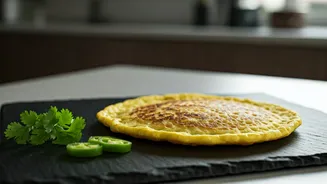
First things first: what we're calling a mung bean pancake has a more traditional name: Pesarattu. This crepe-like bread originates from Andhra Pradesh and is a staple breakfast food in the region. Unlike the more common chilla, which is typically made
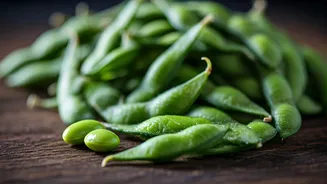
from besan (chickpea flour) or suji, Pesarattu is made from a batter of whole green mung beans (moong dal) soaked overnight. This batter is ground with fresh ginger, green chillies, and cumin, then spread thinly on a hot pan, much like a dosa. The key difference lies in the core ingredient. While chillas use flour, Pesarattu uses the whole, soaked lentil, giving it a distinctively earthy flavour, a heartier texture, and a beautiful, vibrant green hue.
So, What's the 'Flex'?
The term 'flex' implies showing off, and in the world of food, it means presenting something that is not just delicious but also speaks to a certain lifestyle. The Pesarattu is the perfect embodiment of this. Firstly, its visual appeal is undeniable. That bright green colour is completely natural and incredibly Instagrammable, a key factor in how food trends spread today. Secondly, making it requires a bit more foresight than a simple flour-based pancake. You have to remember to soak the beans, which signals planning and dedication. But the biggest flex is its nutritional superiority. In an era where wellness and healthy eating are paramount, serving up Pesarattu is a statement. It says you value whole foods, prioritise protein, and have moved beyond basic breakfast staples. It's healthier, more visually striking, and has a richer story.
A Nutritional Powerhouse
Let's talk about why health-conscious foodies are embracing Pesarattu. Mung beans are a certified superfood. They are an excellent source of plant-based protein, dietary fibre, vitamins, and minerals. A single medium-sized Pesarattu can pack around 6-7 grams of protein, making it a satiating meal that keeps you full for longer and helps prevent mid-morning slumps. The high fibre content is great for digestive health and helps in maintaining stable blood sugar levels, making it a diabetic-friendly option. Furthermore, studies suggest that mung beans have antioxidant, anti-inflammatory, and antimicrobial properties, and may help in lowering blood pressure and 'bad' LDL cholesterol. So, while a regular chilla is by no means unhealthy, the Pesarattu, made from whole mung beans, takes the nutritional benefits to a whole new level.
How to Enjoy Pesarattu
Traditionally, Pesarattu is served hot and crispy, straight from the tawa, often accompanied by a pungent ginger chutney (allam pachadi) that perfectly cuts through its earthy flavour. Another classic combination, especially popular in Andhra restaurants, is the 'Upma Pesarattu' or 'MLA Pesarattu'. This involves stuffing the crispy pancake with a scoop of savoury upma, creating a meal that is both comforting and complex in texture. The legend goes that this variation was first popularised in the canteens of the State Legislative Assembly in Hyderabad. For a simpler meal, a side of coconut chutney also works wonders. While some recipes call for adding a little rice to the batter for extra crispiness, it can easily be made without, keeping it a purely lentil-based dish.