





What is Vermicompost, the Gardener's 'Black Gold'?
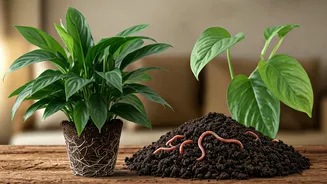
Vermicompost is not just regular compost; it's a supercharged soil amendment created by earthworms. [18] Often called 'black gold', it is the end product of worms digesting organic materials like cow dung and kitchen scraps. [13, 18] The result is a fine,
dark, earthy-smelling substance that is packed with nutrients and beneficial microbes. Unlike chemical fertilizers, vermicompost is a living amendment. It contains a high concentration of nitrogen, phosphorus, and potassium—the primary nutrients plants crave—as well as essential micronutrients like calcium, magnesium, and zinc. [4, 6] It's an entirely organic and clean material, making it perfect for indoor use without any unpleasant odours. [12]
Why Vermicompost Replicates Rainy Season Energy
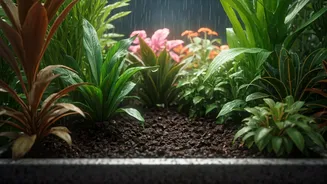
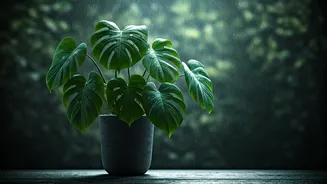
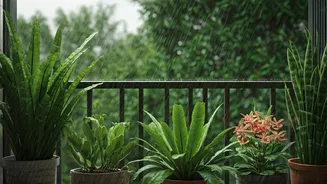
The rainy season triggers a flush of growth in nature. As rain soaks the earth, it breaks down organic matter on the forest floor, releasing a feast of nutrients for plants like the Monstera, which is native to tropical rainforests. [21] Vermicompost achieves a similar effect in your pot. It provides a slow, steady release of nutrients that mimics this natural cycle. [9] Its high humus content improves the soil's structure, allowing it to hold more water without becoming waterlogged—a key challenge during the monsoon. [14, 18] This improved aeration and drainage prevents root rot while ensuring your Monstera has the moisture and nutrition it needs for vigorous growth, helping it develop those iconic, fenestrated leaves. [21, 18]
How to Apply Vermicompost for Your Monstera
Using vermicompost is simple, and there are two main methods to give your Monstera a boost. The first and easiest is 'top dressing'. Simply add a thin layer of about 100-200 grams (roughly a handful or two) of vermicompost to the topsoil of your existing potted Monstera. [2, 13] Gently mix it into the first inch of soil, being careful not to disturb the roots, and then water the plant as usual. This should be done every 45 to 60 days for indoor plants. [2] The second method is for when you are potting or repotting your Monstera. Create a nutrient-rich potting mix by blending one part vermicompost with three to four parts of your regular potting medium (like soil and cocopeat). [9, 10, 13] This ensures the roots have access to balanced nutrition right from the start. [5]
Tips for Maximum Growth and Common Mistakes
While vermicompost is gentle, a few tips will ensure the best results. Don't overdo it. Although it's difficult to 'burn' plants with pure vermicompost as you might with chemical fertilizers, using too much can make the soil retain excess water. [11, 23, 16] This could lead to fungal issues, especially in a humid climate. [16] Always ensure your pot has excellent drainage. [17] After applying vermicompost, you might notice your soil retains moisture for longer, so adjust your watering schedule accordingly. Check the top two inches of soil; if they feel dry, it's time to water. Finally, be sure to use a high-quality, pure vermicompost. Lower-quality products may contain unwanted seeds or even contaminants. [16] A good product should look and feel like rich, dark soil.