



The Mighty Return of Millets
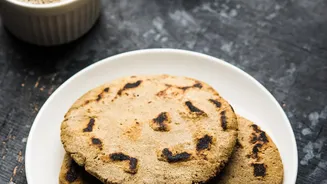
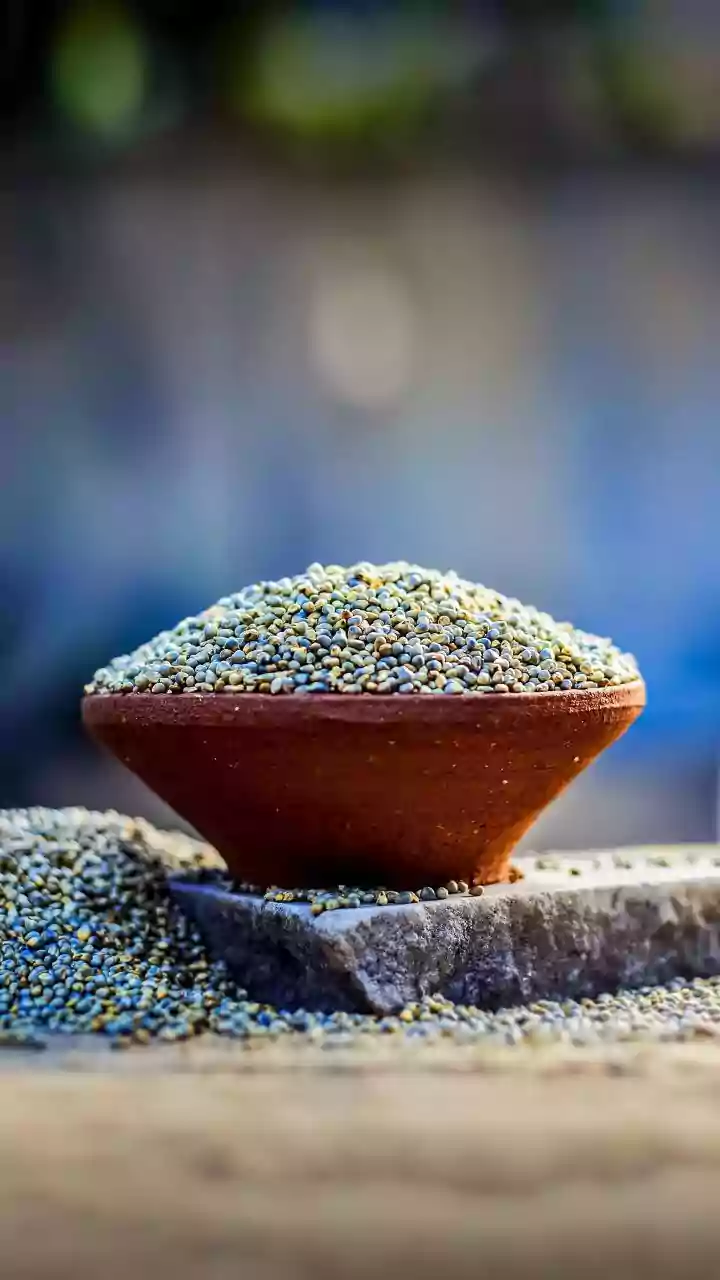
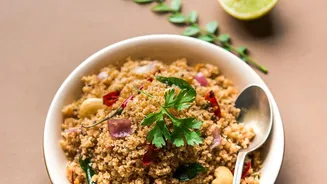
For centuries, millets like jowar, bajra, and ragi were staples in Indian kitchens before refined wheat and rice took over. Now, these nutritional powerhouses are making a well-deserved comeback. What makes them so special? Firstly, millets are packed
with dietary fibre, which is crucial for healthy digestion and keeping you feeling full for longer. This high fibre content helps manage weight by reducing the urge for unhealthy snacking. Secondly, they are a rich source of essential minerals like magnesium, iron, and calcium. For instance, ragi contains significantly more calcium than milk, making it excellent for bone health. Finally, most millets are naturally gluten-free, providing a great alternative for those with gluten sensitivities or celiac disease.
The Slow Magic of Sourdough
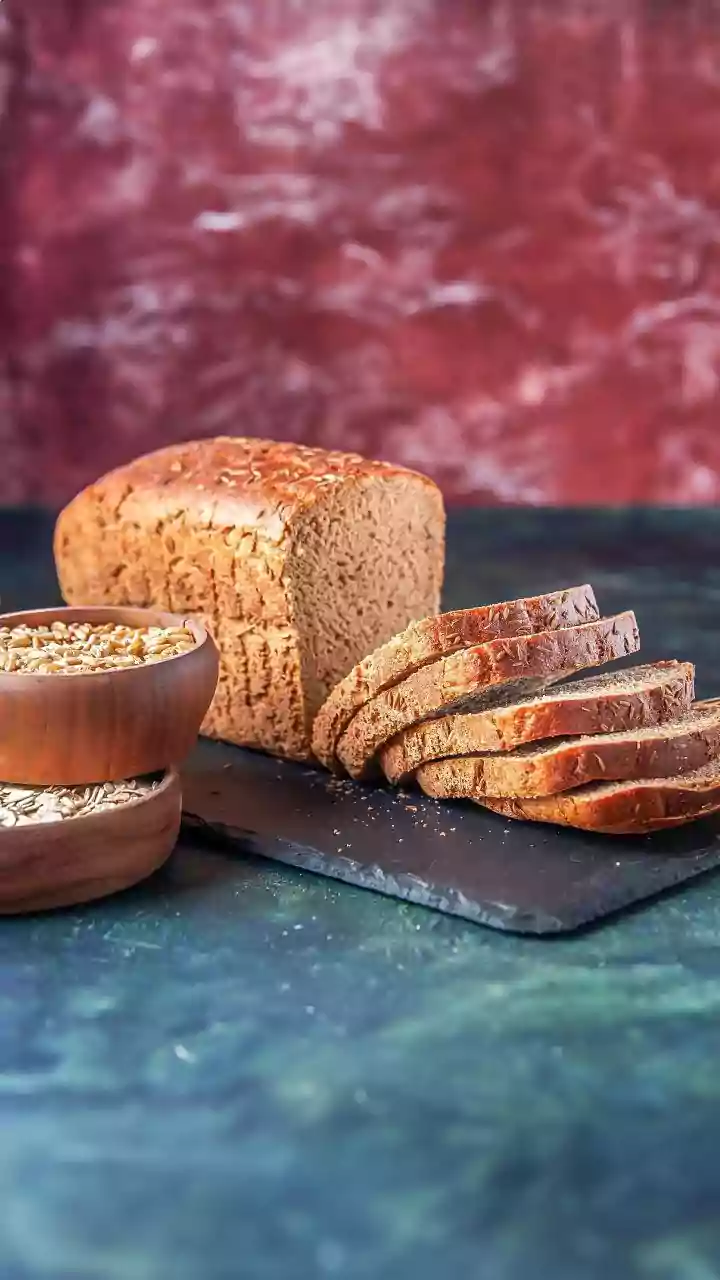
Sourdough isn't just a type of bread; it's a method of fermentation. Instead of using commercial yeast, true sourdough relies on a 'starter' of wild yeast and bacteria. This slow fermentation process, which can take 18-24 hours, fundamentally transforms the dough. It breaks down compounds like phytic acid, which can inhibit mineral absorption. This means your body can access more of the nutrients present in the flour. The fermentation also pre-digests some of the complex carbohydrates, making sourdough bread easier on the gut than its commercially produced counterparts. Many people who experience bloating from regular bread find they can enjoy sourdough without discomfort. This ancient process results in bread that is not only more flavourful but also demonstrably better for your digestive system.
A Perfect Nutritional Partnership
When you combine nutrient-dense millet flour with the slow fermentation of sourdough, you create a product that is uniquely suited to modern health challenges. This combination addresses two key concerns: blood sugar management and gut health. A meta-analysis of multiple studies has shown that millets have a significantly lower glycemic index (GI) than refined wheat and rice. This means they release sugar into the bloodstream more slowly, preventing the energy spikes and crashes associated with refined carbs. The sourdough fermentation process can lower the GI even further. A slow-fermented millet sourdough, therefore, offers a double benefit: the inherent low-GI properties of the millet are enhanced by the carbohydrate-altering effects of fermentation, making it an excellent choice for managing blood sugar levels.
Beyond the Loaf: Better-Built Biscuits
The benefits of millets aren't confined to bread. Millet-based biscuits are emerging as a smarter snacking solution compared to their maida-based cousins. The main difference lies in the flour; where typical biscuits use refined wheat flour stripped of its nutrients, true millet biscuits use whole millet flour, retaining its valuable fibre and minerals. This fibre contributes to a greater feeling of fullness, making you less likely to overeat. Many small-batch producers also opt for healthier sweeteners like jaggery over refined sugar and skip artificial additives. This doesn't turn a biscuit into a health food, but it makes it a fundamentally better-built snack that provides sustained energy rather than a quick sugar rush.
Making the Switch Simple
Incorporating these healthier alternatives into your diet doesn't require a complete overhaul. You can start small. Try replacing your usual breakfast toast with a slice of millet sourdough. Its slightly nutty flavour pairs well with both sweet and savoury toppings. Instead of buying a packet of standard biscuits, look for options where millet is listed as the primary ingredient. You can also begin by mixing millet flour with your regular atta for chapatis, gradually increasing the proportion as your taste adapts. The goal is to make small, sustainable swaps that add up to significant health benefits over time, improving everything from your energy levels to your digestive well-being.