





Stay Updated on Weather Alerts
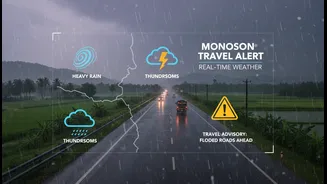
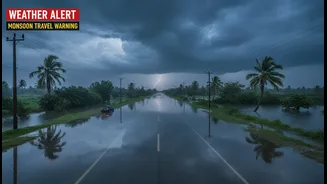
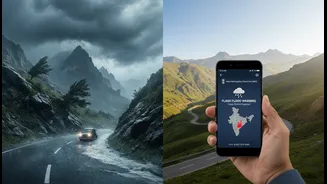
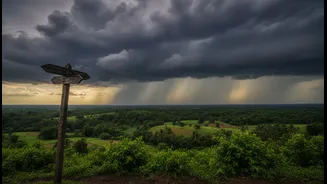
Before and during your travels, it is crucial to monitor weather forecasts. The India Meteorological Department (IMD) regularly issues bulletins and warnings for heavy rainfall, thunderstorms, and potential flooding across different states. As of early
July 2026, active monsoon conditions are causing heavy rain in several regions, including North, East, and Northeast India, as well as along the West Coast. States like Himachal Pradesh, Uttarakhand, West Bengal, and Sikkim are under watch for very heavy rainfall, which can lead to landslides and road blockages. Checking official advisories can help you avoid risky areas and plan your itinerary with a crucial buffer for unexpected delays.
Pack Smart, Light, and Waterproof
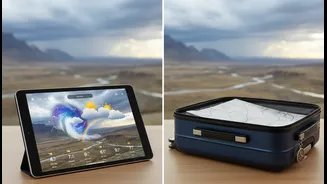
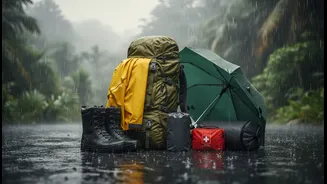
Your packing list is your first line of defence. Opt for synthetic, quick-drying clothes like polyester or nylon instead of cotton, which stays damp for a long time in high humidity. A sturdy, windproof umbrella and a lightweight raincoat or poncho are non-negotiable. Protect your electronics, documents, and other essentials by storing them in waterproof bags or zip-lock pouches. It's also wise to pack a waterproof backpack or use a reliable rain cover. Consider packing a quick-dry towel and an extra set of clothes in your daypack for emergencies.
Prioritise Health and Hygiene
The monsoon season sees a spike in water-borne and mosquito-borne diseases like cholera, typhoid, dengue, and malaria. Mosquitoes breed in stagnant water, so use a strong insect repellent, wear full-sleeved clothing, and consider using a mosquito net at night. Be extremely cautious about food and water. Avoid street food, especially items that may have been washed with or exposed to contaminated water. Drink only bottled, boiled, or filtered water to prevent gastrointestinal infections. Carry a basic first-aid kit with antiseptics, bandages, and medication for common ailments like fever, cold, and stomach issues.
Navigate Roads with Extreme Caution
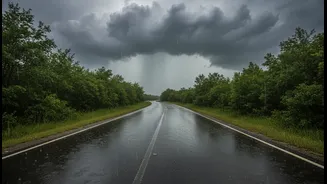
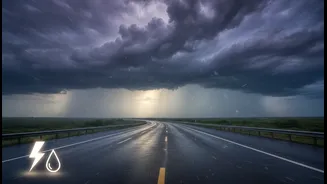
Driving during heavy rain is hazardous due to poor visibility and slippery roads. Reduce your speed, maintain a safe distance from the vehicle ahead, and use low-beam headlights to improve visibility without blinding other drivers. Be wary of waterlogged streets, which can hide open manholes or deep potholes. If you're driving, check your car’s tyres, brakes, and wipers before starting your journey. Avoid driving through flooded areas; the water's depth can be deceptive and may cause your vehicle to stall. If you get stuck, never try to restart a stalled engine in water, as it can cause severe damage.
Choose Your Footwear and Be Mindful
The right footwear is essential for navigating wet and muddy terrain. Choose waterproof sandals or floaters with a good grip. Avoid leather shoes, high heels, and canvas sneakers, as they get ruined in water and take a long time to dry. When walking, be alert for slippery surfaces, especially on station platforms and footbridges. Try to avoid walking through stagnant water as much as possible to prevent fungal infections and other diseases like leptospirosis.
Keep Essentials and Backup Plans Ready
Power cuts and travel disruptions are common during the monsoon. Carry a fully charged power bank for your phone. Keep some dry snacks and a bottle of safe drinking water handy in case of long traffic jams or delays. It is always a good idea to share your itinerary with a family member or friend and have a flexible schedule. Road and rail services can be delayed or cancelled with little notice, so having a backup plan or a buffer day can save you a lot of stress.