







1. Health-Proof Your Household
The monsoon is notorious for bringing a spike in illnesses like dengue, malaria, cholera, and the common flu. The first line of defence is your home. Ensure there is no stagnant water collecting in or around your house—check plant pots, air cooler trays,
and open containers, as these are breeding grounds for mosquitoes. Consider installing mesh screens on windows and doors. Internally, boost your family’s immunity by incorporating vitamin C-rich foods like amla, lemons, and oranges into their diet. Be extra cautious with street food and ensure drinking water is either boiled or properly filtered to prevent water-borne diseases.
2. Fortify Your Fortress
Your home takes a beating during heavy rains. Before the downpour begins, do a thorough check for cracks in the walls, roof, and window seals. A small leak can lead to major dampness, mould, and costly repairs. Get them sealed by a professional. Clean your gutters and drains of leaves and debris to prevent waterlogging and overflow. It’s also wise to have an electrician check your home’s wiring. Faulty or exposed wires are a serious hazard during the damp season. Finally, trim any overgrown tree branches near your house that could fall and cause damage during a storm.
3. Assemble a Monsoon Emergency Kit
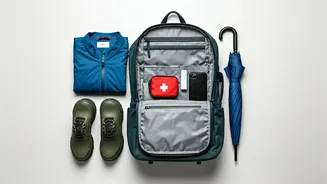
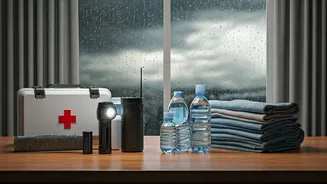
Power cuts are a common feature of the Indian monsoon. A well-stocked emergency kit can be a lifesaver. This should include powerful torches or emergency lamps, a fully charged power bank for your phones, a first-aid kit with antiseptic lotions and bandages, and any essential prescription medications. Keeping a small stock of non-perishable food items like biscuits, nuts, and instant noodles is also a smart move, just in case you can't venture out for a day or two due to severe waterlogging.
4. Rethink Your Wardrobe and Laundry
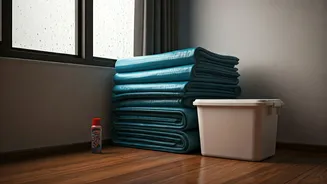
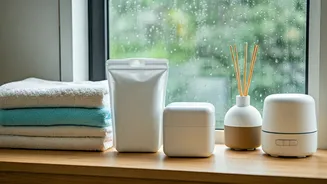
The constant dampness makes drying clothes a frustrating task. It's a good time to bring out synthetic and quick-drying fabrics like nylon and polyester. Invest in a sturdy, foldable clothes-drying rack for indoor use. To prevent clothes from smelling musty, you can place silica gel pouches or camphor balls in your wardrobes. When it comes to footwear, ditch the leather and canvas shoes that get ruined in water. Opt for rubber sandals, floaters, or waterproof boots that provide a good grip on slippery surfaces.
5. Prepare Your Vehicle and Commute
Navigating waterlogged streets is a major monsoon challenge. Before the season hits, get your car or two-wheeler serviced. Check the tyres for good tread, ensure the brakes are working perfectly, and test your headlights and wipers. When driving in the rain, go slow and avoid roads that are known to flood. It’s always better to take a longer, safer route than to risk getting stranded. Keep an umbrella, a towel, and a spare pair of footwear in your vehicle at all times.
6. Pest-Proof Your Space
Rain forces many creatures to seek shelter, and your home is a prime target. The monsoon season sees an increase in cockroaches, termites, and rodents. Seal any cracks or holes in your walls and floors, especially around pipes. Ensure your garbage bins have tight-fitting lids and are cleared regularly. Natural repellents like neem oil or peppermint oil can be effective in keeping some pests at bay. For more serious infestations, it’s best to call professional pest control services before the problem gets out of hand.