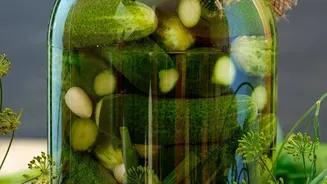

In India, a jar of pickle is never just a condiment; it’s a vessel of memory, a taste of home. In the fast-paced life of urban metros, a quiet revolution is taking place, where this ancient craft is not just surviving, but thriving.
More Than Just a Side Dish
For generations, the
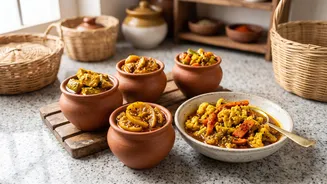
art of making 'achar' has been a cornerstone of Indian culinary tradition. It is a practice born from the practical need to preserve seasonal produce through long months, using little more than salt, spices, and sunlight. But beyond preservation, pickles are cultural artifacts. Each region, and indeed every family, has its own treasured recipes passed down like heirlooms. From the fiery 'Avakaya' mango pickle of Andhra Pradesh to the sweet and tangy 'Chunda' of Gujarat, pickles tell a story of local ingredients, climate, and community palate. This tradition, historically the domain of women, has transformed household skills into a powerful form of cultural expression.
The Urban Craving for Authenticity
As millions migrate to cities like Mumbai, Delhi, and Bengaluru for work and education, they often leave behind the familiar comfort of home-cooked meals. The casualty of this modern, fast-paced lifestyle is often the connection to traditional food practices. The laborious, multi-day process of pickle-making is a luxury few can afford in a compact city apartment. This has created a deep-seated nostalgia and a growing demand for the authentic tastes of home. Mass-produced pickles from large corporations, while convenient, often lack the distinct, robust flavours and preservative-free quality of homemade recipes. This gap in the market has paved the way for a new wave of food entrepreneurs.
Grandmothers' Recipes Go Digital
The pickle revival is being led by a dynamic group of home chefs, women-led Self-Help Groups (SHGs), and small-scale entrepreneurs who are turning their kitchens into thriving businesses. Brands like FarmDidi, JhaJi Store, and Athey Nallatha are leveraging technology to connect with urban consumers. JhaJi Store, founded by a sister-in-law duo, brings the unique flavours of Mithilanchal to a national audience, their success amplified by an appearance on 'Shark Tank India'. Similarly, FarmDidi has built a tech-led model that empowers over 2,000 rural women, ensuring their preservative-free, small-batch pickles reach city dwellers craving that 'nani's kitchen' taste. These businesses operate through websites and social media, making it possible to order a jar of traditional Rajasthani Ker Sangri or authentic Punjabi Mango pickle with just a few clicks.
A Taste of Terroir in the Metropolis
What makes these artisanal pickles so special is their 'terroir'—the unique combination of local ingredients, water, and specific family techniques that create inimitable flavours. Entrepreneurs are going to great lengths to maintain this authenticity. Laksmi Prasanna, founder of Vaikuntam Organic Foods, sources her ingredients directly from Vijayawada and Guntur to perfect her Andhra-style pickles. Anamika Bhujel's Himalayan Organic Life introduces city customers to rare specialities like 'Dhule Achaar', a dust pickle from Nepali communities, promoting fair trade for organic produce from North Bengal. By bringing these distinct regional tastes to the urban market, these craftspeople are not just selling a product; they are educating a new generation about India’s vast and diverse culinary map, from the bamboo shoot pickles of the Northeast to the garlic pickles of Rajasthan.
Preserving More Than Just Mangoes
The rise of regional pickle craft is a powerful story of economic empowerment, particularly for women. Initiatives like Kerala's Kudumbashree network have been instrumental in helping women's collectives turn their traditional skills into sustainable livelihoods. Krishna Yadav, who started by selling pickles on a Delhi roadside after facing financial hardship, built a business, Shri Krishna Pickles, that now offers over 250 varieties. However, scaling up presents challenges. Maintaining the 'homemade' quality without using artificial preservatives, ensuring consistent taste across batches, and managing logistics are constant hurdles. Yet, for these entrepreneurs, the mission is about more than just profit. It is about safeguarding a legacy, one delicious, spicy, and tangy jar at a time.