


Understanding the Magic of Millets
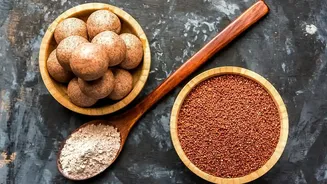
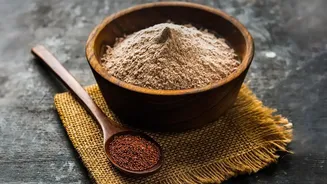
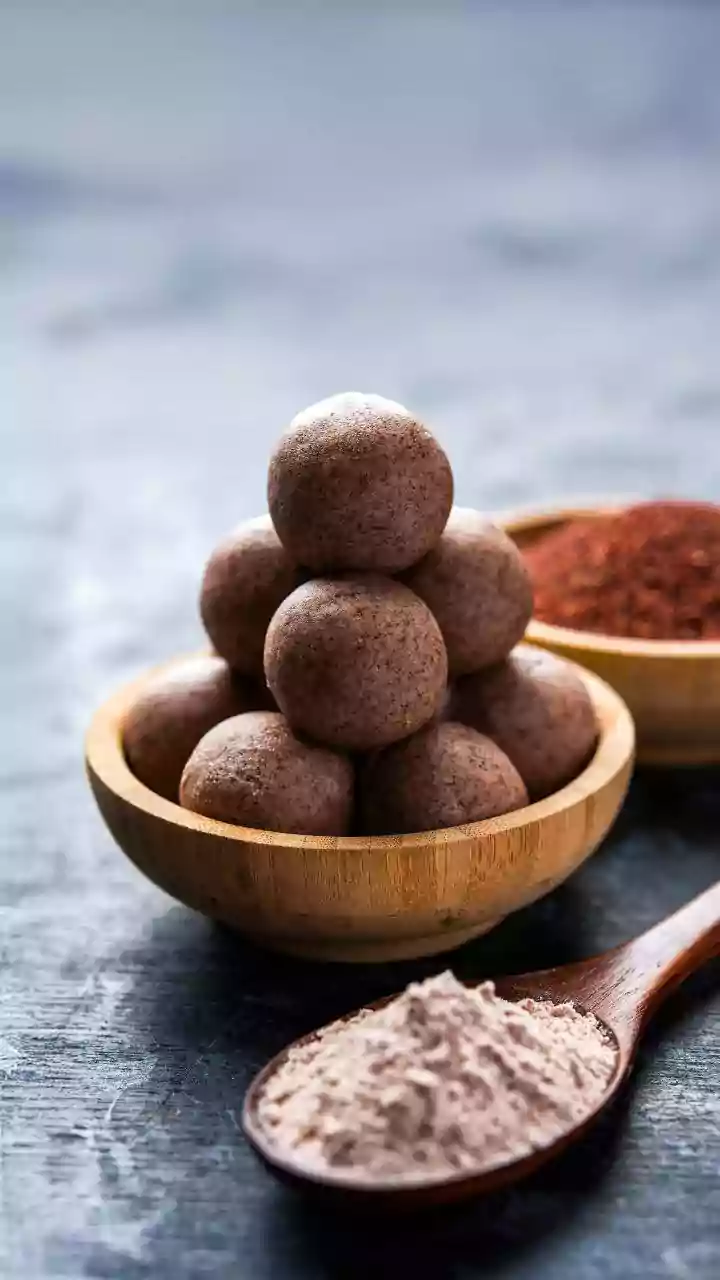
Millets are ancient grains that have been a staple in Indian diets for centuries, and for good reason. These small-seeded grasses are nutritional powerhouses, packed with protein, fibre, vitamins, and minerals. Many varieties, such as ragi (finger millet),
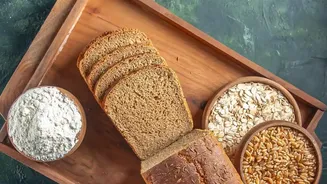
jowar (sorghum), and bajra (pearl millet), are naturally gluten-free. They are celebrated for being rich in essential nutrients like magnesium, iron, zinc, and B vitamins, which support everything from energy metabolism to bone health. Millets also contain antioxidants that can help combat oxidative stress in the body. Their high fibre content aids digestion and can help in managing blood sugar levels by ensuring a slower release of glucose. Using flours made from these grains is a fantastic way to boost the nutritional profile of your baked goods.
Why Millet Flour in Sourdough?
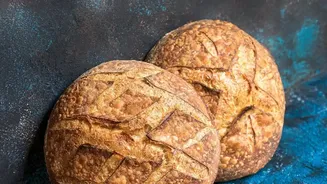
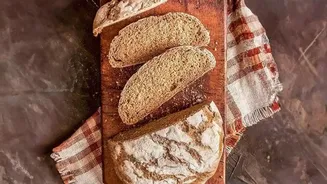
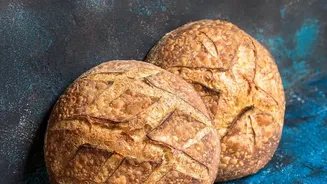
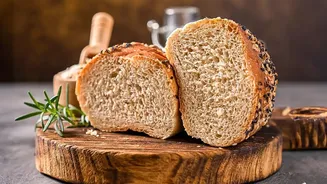
Combining millet flours with sourdough is a match made in culinary heaven. The long fermentation process of sourdough helps to break down antinutrients in grains, making them easier to digest and their nutrients more bioavailable. This process complements the inherent benefits of millets beautifully. The slightly sour, complex flavour of a sourdough starter pairs wonderfully with the nutty, earthy notes of millet flours like ragi and bajra. Since millets are gluten-free, they don't develop the chewy structure of wheat bread on their own, but they create a wonderfully soft, moist, and flavourful crumb when used correctly. It's a method that delivers superior nutrition without sacrificing taste.
Tips for Perfect Millet Sourdough Bread
Baking with millet flour requires a few adjustments, as it contains no gluten. For a successful loaf, blending is key. Start by substituting 20-25% of the total flour in your favourite sourdough recipe with a millet flour like ragi or bajra. Because millet flours are thirsty, you may need to increase the water in your dough. Another crucial ingredient for structure is a binder like psyllium husk or ground flaxseed, which helps create a gel to trap gas and mimic the role of gluten. Unlike wheat sourdough, millet-based doughs don't require intensive kneading or stretching; a simple mix to combine all ingredients is sufficient. The proofing time might also be shorter, so keep an eye on your dough—it will puff up but likely won't double in size like a traditional loaf.
Baking Delicious Millet Sourdough Cookies
If bread feels too intimidating, sourdough millet cookies are a fantastic and forgiving entry point. Here, the lack of gluten is an advantage, contributing to a wonderfully tender, crumbly, and melt-in-your-mouth texture. You can use sourdough discard for a tangy flavour boost that balances the sweetness of the cookie. Try substituting up to 50% of the all-purpose flour in your cookie recipe with millet flour. Pearl millet (bajra) has a mild, slightly sweet taste that works very well in cookies. For extra structure and chewiness, some recipes call for a small amount of a binder like xanthan gum or psyllium husk. Millet pairs beautifully with chocolate chips, nuts, and warm spices, allowing for plenty of creative and delicious combinations.
Sourcing and Storing Your Flours
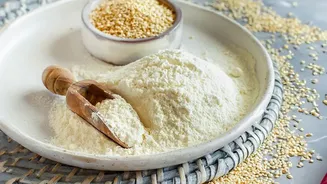
Finding high-quality, local millet flours in India is easier than ever. Look for them at local chakki (flour mills), organic food stores, and online marketplaces that specialise in traditional and healthy foods. Many brands now offer a wide range of certified organic and unpolished millet flours, including ragi, jowar, bajra, and foxtail millet. Because of their natural oils, millet flours can go rancid more quickly than refined wheat flour. To ensure freshness, buy them in smaller quantities and store them in an airtight container in a cool, dark place. For longer-term storage, keeping your flour in the refrigerator or freezer is an excellent option to preserve its flavour and nutritional value.