







A family holiday is full of excitement, but a smooth start is key. Navigating hotel check-in can be tricky with tired kids in tow. Understanding the rules around timings and identification can prevent arrival-day stress and get your vacation going.
Decoding Check-In and Check-Out Times
Most
hotels in India have a standard check-in time between 12 PM and 2 PM, with check-out typically between 10 AM and 12 PM. This window is not arbitrary; it gives housekeeping staff the crucial time needed to clean and prepare rooms for incoming guests. A room night doesn't automatically mean a 24-hour stay. It covers the period from the hotel’s official check-in time on your arrival day to the check-out time on your departure day. These times can vary based on the city and hotel type. For example, business hubs like Mumbai and Delhi often have 12 PM check-ins, while tourist spots like Goa might have 2 PM check-ins to align with travel schedules. Always confirm the exact times on your booking confirmation to avoid confusion.
Arriving Early or Late?
Flights and trains rarely align perfectly with hotel schedules. If you know you'll be arriving before the designated check-in time, the best approach is to call the hotel a day or two in advance to request an early check-in. While some hotels may offer this for free if a room is available, others might charge a fee, often between 25-50% of the room rate, for guaranteed early access. If your flight lands very early in the morning, the only way to guarantee immediate room access is to book the room for the previous night as well. For late arrivals, it's equally important to inform the hotel to ensure they hold your room. For a hassle-free experience, especially with children, it's wise to store your luggage at the bell desk and explore the vicinity if you arrive too early and a room isn't ready.
The Golden Rule: Valid ID for Adults
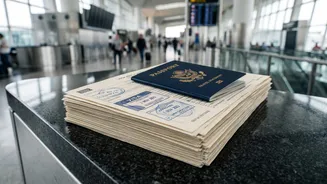
In India, it is a legal requirement for hotels to verify the identity of every adult guest at the time of check_in. Do not leave this to chance. Every adult in your family group must carry a valid, original government_issued photo ID that includes a residential address. Accepted documents universally include an Aadhaar Card, Indian Passport, Voter ID card, and Driving License. It is crucial to note that a PAN card is widely NOT accepted as a primary ID for hotel check_ins because it lacks a residential address. Some hotel chains now offer digital check_in via their apps, which can speed up the process, but you will almost always still need to present your physical ID at the reception.
What About ID for Children?
While every adult needs to present identification, the rules for children are generally more relaxed. Hotels typically do not require government_issued photo ID for minors travelling with their parents. However, policies can vary, and it is a good practice to carry some form of identification for your children, such as a school ID card or a birth certificate, especially if they are older. Hotels also have different policies regarding charges for children. Many allow one child under a certain age (often 5 years old) to stay for free using existing bedding, but you may be charged for an extra bed or even for older children sharing the room. Always check the hotel's specific child policy when booking.
Important Policies to Re–Confirm
Beyond timings and ID, a few other hotel–specific policies can cause check–in trouble. Some hotels, for their own reasons, have a 'local ID restriction' and may not allow guests who reside in the same city to check in. Additionally, while it is perfectly legal for unmarried couples to stay in a hotel, some establishments may have their own policies against it. These are not laws but individual hotel rules. Booking platforms and hotel websites often list these specific policies. Taking a moment to read the fine print or calling the hotel directly to confirm these details before you book can prevent any unwelcome surprises upon arrival, ensuring your family trip begins on a positive and stress–free note.