








The New Weather Reality
Gone are the days of clearly defined seasons and predictable weather patterns. India's climate is becoming more volatile, swinging between extremes with little warning. Just this June, while northern India faced intense heatwaves, the northeast and coastal
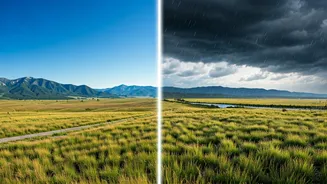
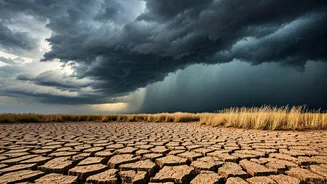
states were battered by heavy monsoon rains, floods, and landslides. In late June 2026, heavy rains led to flash floods in Arunachal Pradesh and Assam, affecting thousands and severely damaging infrastructure like roads and bridges. Similar events have disrupted transport in Meghalaya and Sikkim. This pattern is not an anomaly; it's a trend. Experts note that India's climate is now swinging between drought and deluge, making last-minute travel a significant gamble. What was once a simple plan for a sunny beach trip or a cool mountain retreat can now be upended by a sudden downpour or a dangerous heatwave.
The Financial Risk of a Ruined Trip
A washed-out weekend is more than just a letdown; it can be a significant financial loss. Many travellers book non-refundable flights and hotels to secure better deals, only to find themselves unable to travel or enjoy their destination due to extreme weather. Standard travel insurance policies can be a safety net, but they don't cover everything. Trip cancellation coverage typically reimburses non-refundable expenses only for specific, unforeseen events like a medical emergency or a death in the family, requiring documented proof. Cancellations due to a bad weather forecast usually aren't covered. While some policies may offer protection if a natural disaster makes the destination uninhabitable, a simple case of constant rain ruining your sightseeing plans won't qualify for a claim. This makes it essential to understand policy exclusions before you buy and to consider your options carefully.
Your Pre-Booking Forecast Strategy
To avoid disappointment, a more strategic approach to weather checking is needed. First, look beyond the 2-3 day forecast. Use apps like AccuWeather or Skymet Weather, which offer 7-to-15-day outlooks. Also, consider the official app from the India Meteorological Department (IMD), 'Mausam', for government-issued alerts. Don't rely on a single source; different apps use different forecasting models, so comparing a few can give you a more balanced view. Second, understand seasonal patterns. Research your destination's climate for that time of year to know if you're travelling during a typically dry, wet, or transitional period. Finally, look at the details. A 40% chance of rain might mean a short afternoon shower, which is manageable, or it could mean persistent drizzle all day. Check hourly forecasts to understand the likely timing and intensity of any precipitation.
Book Flexibly to Stay in Control
In this uncertain climate, flexibility is your best friend. When booking accommodation, look for options with free cancellation or a 'pay at hotel' feature. Travel portals like Yatra.com and MakeMyTrip often have filters that let you find these flexible options easily. Similarly, many airlines now offer 'flexi-fare' tickets. These might cost slightly more upfront, but they allow you to change your travel dates without incurring hefty penalties, which can be a lifesaver if the forecast turns sour. Booking in advance can secure good prices, but staying open to last-minute deals can also be a smart strategy, allowing you to book with full knowledge of the immediate weather forecast. This combination of early research and flexible booking provides the perfect balance of planning and adaptability.
Always Have a Plan B
Even with the best planning, weather can be unpredictable. The key is to not let it ruin your entire trip. Before you go, research a mix of indoor and outdoor activities. If your plans for trekking or lounging by the pool are rained out, having a list of interesting museums, cafes, local markets, or cinemas can save the day. For drivable weekend trips, you might even consider a backup destination. If the hills are forecasted to have non-stop rain, perhaps a trip to a nearby city with more indoor attractions could be a better bet. This approach shifts the focus from a rigid itinerary to a more adaptable experience, ensuring you can have a relaxing and enjoyable break regardless of what the weather decides to do.