







The New Campus Currency
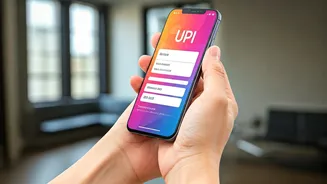
Unified Payments Interface (UPI) has moved beyond being a mere convenience to become a fundamental part of the student experience. For a generation that is digitally native, the ease of scanning a QR code or sending money via a phone number is second
nature. [5, 10] From paying for morning chai and canteen lunches to buying stationery and sharing expenses for group projects, UPI is the default payment method. [19] One study noted that over 48% of students use UPI multiple times a day for their daily expenses, reflecting its complete integration into their lifestyle. [13] This isn't just a metro-city phenomenon; the near-universal acceptance of UPI by vendors big and small has embedded it into everyday commerce across the country. [4, 21]
Why the Unstoppable Rise?
Several factors have created the perfect storm for UPI's campus dominance. The widespread availability of affordable smartphones and cheap data laid the groundwork. [5, 25] The COVID-19 pandemic then acted as a massive catalyst, turning contactless payments from a convenience into a public health necessity. [20, 22] But the platform's sustained growth is down to its core design: it's instant, interoperable, and secure. [9, 21] For students, who often deal with small, frequent transactions, the zero-cost model for users is a massive draw. [24] A 2026 study commissioned by the Finance Ministry found that the 18-25 age group shows a staggering 66% adoption rate, driven by ease of use and incentives like cashback. [4, 14]
Beyond Payments: A Financial Operating System
For many young Indians, UPI is their first real interaction with the formal financial system. [8] Long before thinking about credit cards or investments, they learn to send, receive, and track money through a UPI app. This transforms the app from a simple payment tool into a rudimentary financial operating system. [8] It has changed social dynamics, making it seamless to split bills for dinners, trips, and subscriptions. Peer-to-peer transfers, a key feature for students managing allowances and shared costs, are a primary driver of usage. [16] This digital ledger of transactions also offers an unintended benefit: a clear, automated record of spending, which, for the financially mindful, can be a powerful budgeting tool. [10, 11]
The Flip Side: Frictionless Spending and New Risks
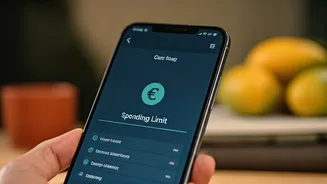
However, the very convenience that makes UPI so popular also presents new challenges. The frictionless nature of digital payments can lead to a disconnect from the feeling of spending money. Unlike handing over physical cash, a simple tap can make it easier to overspend or make impulsive purchases. [11, 12] Several studies confirm this dual impact: while UPI brings convenience, it has contributed to an increase in spending and impulsive buying for many students. [11, 19] Furthermore, as first-time users of formal financial tools, students are often vulnerable to online fraud and security risks. Issues like transaction failures and cybersecurity concerns, though improving, remain a hurdle to user confidence. [13, 19]
The Road Ahead: Literacy and Integration
The deep integration of UPI into student life is irreversible. The next phase will likely see it become even more embedded in the campus ecosystem, potentially being used for fee payments, library fines, and accessing other university services. The platform is becoming the front door to banking for an entire generation. [8] This places a new emphasis on the need for financial literacy. As young people adopt digital payments at an unprecedented rate, educational initiatives are crucial to help them manage the risks and use these powerful tools responsibly. [12] The conversation is no longer about *if* students use UPI, but *how* they use it to build a secure financial future.