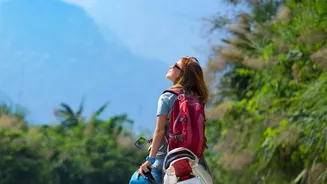


The festive season no longer means just one long annual holiday. For urban Indian workers, it's now a season of trips, with short, spontaneous, and highly customised getaways becoming the new tradition for recharging and celebrating.
The Rise of the Micro-Vacation
The traditional, long
festive holiday is being replaced by a series of shorter, more frequent breaks. For many professionals in cities like Delhi, Mumbai, and Bengaluru, the pressure of a demanding work life makes shorter trips more practical. Instead of one long vacation, many are opting for multiple two or three-night getaways. This trend is particularly strong among younger travellers. A recent Airbnb report revealed that seven in ten Gen Z travellers in India prefer taking three short trips over one long annual holiday. This shift allows them to punctuate the year with several periods of rest and exploration without needing to take extended leave, making travel a consistent lifestyle choice rather than a rare event.
Spontaneity is the New Itinerary
Meticulous, months-in-advance planning is giving way to impulsive travel decisions. The data shows a significant trend towards last-minute bookings, with many urban travellers deciding on a trip just days before departure. According to one report, three in ten festive travellers book on their day of check-in, and seven in ten book within a week of their stay. Fewer than one in ten plan their trips more than a month ahead. This spontaneity is powered by the digital ecosystem of travel apps and online booking platforms, which allow for quick planning and access to last-minute deals. The average festive trip now lasts just two nights, making it easy to act on a whim over a long weekend.
Beyond the Usual Suspects
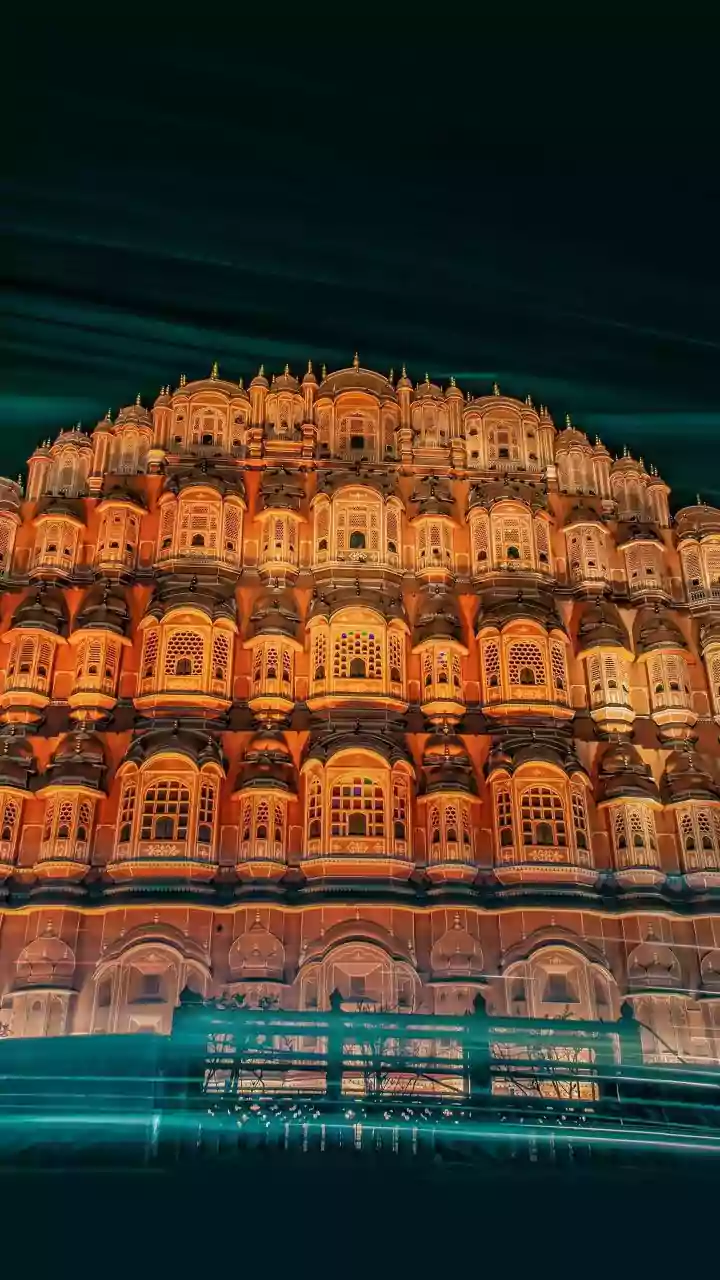
While classic destinations like Goa, Jaipur, and Rishikesh remain popular, city workers are increasingly venturing into offbeat locations. There is a growing appetite for discovering lesser-known destinations, especially in the Himalayas. Places like Sangla, Kalpa, and Shangarh have seen a massive spike in bookings, indicating a desire to escape crowded tourist spots. The focus is shifting towards what a place offers in terms of experience. Searches for wildlife destinations like Ranthambore and Jim Corbett have soared, as have those for coastal towns like Puri and hill stations such as Ooty and Munnar. This diversification shows that travellers are customising getaways based on interests like nature, adventure, or cultural immersion rather than just brand-name destinations.
The 'Bleisure' and 'Workation' Blend
The lines between work and leisure are blurring, giving rise to 'bleisure' travel—blending business trips with leisure. Professionals are extending work_related travel by a few days to explore a new city, a trend that companies are increasingly supporting for its positive impact on employee morale. In fact, Indian corporate travellers are global leaders in this space, averaging more bleisure trips annually than their international counterparts. Alongside this, the 'workation' has gained significant traction, with employees taking their laptops to scenic locations like Goa or Manali to work remotely. This allows them to enjoy a change of scenery, which can boost productivity and combat burnout, without using up their vacation days.
Experiences Over Everything
Modern travel customisation is less about lavish hotels and more about unique, personal experiences. For younger travellers, the 'why' of the trip is becoming more important than the 'where'. More than half of Indian Gen Z travellers prioritise cultural exploration, while a significant portion seeks outdoor activities. This is reflected in booking trends, with growing interest in heritage stays, wildlife safaris, and spiritual journeys. Travellers are building itineraries around activities like local food tours, trekking, wellness retreats, or simply relaxing in a serene environment. This preference for experiences also extends to accommodation, with many groups opting for shared homes or villas over separate hotel rooms to foster a sense of community.