






From Pages to Parks
For decades, environmental studies in India often felt disconnected from the environment itself. It was a subject confined to chapter summaries, labeled diagrams, and annual exam questions. Children could identify a Banyan tree on paper but might walk
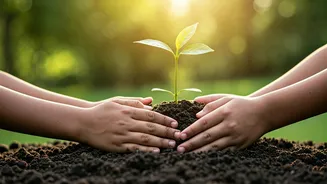
past one every day without a second glance. This traditional, classroom-bound approach is now being challenged by a powerful alternative: experiential learning. Educators and parents are increasingly recognising that a true appreciation for nature isn't built from rote memorisation but from direct, sensory engagement. The goal is no longer just to 'know' about nature, but to feel connected to it, fostering a sense of curiosity and stewardship from a young age.
The New Outdoor Classroom
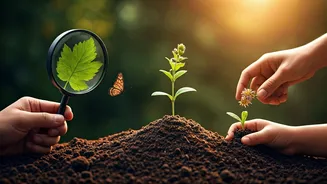
So, what does this new 'classroom' look like? It's wonderfully diverse. It can be a structured 'forest school' on the outskirts of a city, where children spend entire days learning everything from maths to storytelling amidst trees and trails. It can be a simple nature walk organised by a school in a nearby municipal park, where students are tasked with identifying different bird calls or types of insects. In cities like Bengaluru and Pune, several organisations now lead workshops on urban biodiversity, teaching kids how to spot the surprising amount of nature thriving in their own backyards. This shift is driven by a simple philosophy: the world is the most effective textbook. By touching the rough bark of a tree, smelling damp earth after a rain, or watching a butterfly emerge, children form emotional, memorable connections that a textbook can never replicate.
More Than Just a Walk
The benefits of this exodus from the classroom are profound and extend far beyond environmental literacy. Studies globally and observations in India point to a host of positive impacts. Children who spend more time learning outdoors often exhibit improved concentration, better problem-solving skills, and reduced stress levels. Physical activity is a natural byproduct, tackling the increasingly sedentary lifestyles of modern childhood. Furthermore, unstructured play in a natural setting encourages creativity, risk assessment, and social skills as children collaborate on building a den or examining a strange-looking bug. It builds resilience and self-confidence in a way that a structured, indoor environment often cannot. This isn't just about making science more fun; it's about holistic child development.
Challenges on the Trail
Despite the clear advantages, moving lessons outdoors isn't without its hurdles. The most significant challenge is equity and access. While private schools and affluent urban families might have the resources to enrol children in specialised nature programmes, ensuring that every child has this opportunity is a monumental task. Public schools often operate with rigid curricula, limited budgets, and a lack of teachers trained in outdoor pedagogy. There are also valid concerns about safety, especially in urban areas, and the logistical nightmare of organising field trips for large classes. Overcoming these barriers requires a systemic shift—integrating outdoor learning into the official curriculum, investing in teacher training, and creating safe, accessible green spaces within or near school premises.
Cultivating Future Guardians
Ultimately, the movement to take nature education outdoors is about playing the long game. India faces immense environmental challenges, from climate change and biodiversity loss to pollution and water scarcity. Raising a generation that is merely aware of these problems is not enough. We need a generation that is deeply invested in solving them. By fostering a genuine love and understanding of the natural world from childhood, experiential education aims to cultivate future citizens who are not just informed, but inspired. They are more likely to become advocates, scientists, policymakers, and conscientious consumers who see the environment not as a resource to be exploited, but as a community to which they belong and have a responsibility to protect.