




Feel the Texture of the Clay
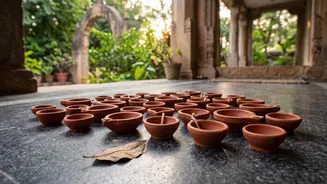
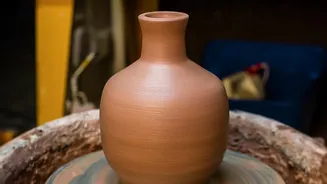
The first thing to check is the quality of the clay itself. A well-made diya will feel smooth and fine to the touch. Run your fingers over the surface; if it feels gritty or rough, it may contain impurities that make it less durable. Good quality terracotta
is well-baked and has a consistent texture. Some artisans even say that gently tapping a well-made dry diya should produce a faint, clear ringing sound, not a dull thud, indicating it's free from internal cracks.
Inspect for a Stable Base
This is a crucial safety check. A diya must sit perfectly flat on any surface without wobbling. Pick up a diya and place it on a flat surface, like the vendor's table or even your palm, to test its stability. An unstable diya with a rounded or uneven base is a fire hazard, as it can easily tip over once filled with oil and lit. The base should be wide enough to securely support the lamp.
Look for Cracks and Uniformity
Carefully examine each diya for hairline cracks, chips, or imperfections. While handmade items will naturally have slight variations, significant cracks can cause oil to leak or the diya to break when heated. Hold it up to the light to spot any fine lines you might otherwise miss. Ensure the walls have a relatively uniform thickness, which allows for even heat distribution and prevents one side from getting too hot and cracking.
Examine the Paint and Decorations
Many modern diyas come painted with vibrant colours and adorned with glitter or beads. While beautiful, it’s important to check the quality of these decorations. Bright, chemical-based paints may release unpleasant fumes when the diya heats up. If possible, opt for unpainted terracotta diyas or those decorated with natural, water-based colours. If you do choose painted ones, gently rub the surface to see if the paint flakes off easily. A well-painted diya will have a finish that doesn’t chip away with a simple touch.
Consider the Diya’s Depth and Size
Think about how long you want your diyas to burn. A diya with a deeper and wider bowl will hold more oil or ghee, allowing the flame to last longer. This is especially important if you plan to light an 'Akhand Jyoti' (an uninterrupted flame) or simply want to avoid refilling them frequently throughout the evening. Also, check the small groove or spout designed to hold the cotton wick; it should be well-defined to keep the wick securely in place.
Opt for Eco-Friendly Choices
Choosing eco-friendly diyas is a wonderful way to celebrate responsibly. Traditional clay diyas are inherently biodegradable and environmentally friendly. You can take it a step further by seeking out diyas that are unglazed and unpainted, as some glazes can contain harmful substances. Supporting artisans who use natural materials and traditional methods ensures your celebration is beautiful and sustainable. These simple, earthen lamps connect us to tradition and have a minimal impact on the planet.
Support Local Artisans
When you buy diyas, you have a choice. Purchasing from local potters and street vendors directly supports the artisans and their families who have been practicing this craft for generations. This festive season is a crucial time for their livelihood. By choosing their handmade products over mass-produced factory items, you not only get a unique, handcrafted piece but also help preserve a vital part of India’s cultural heritage.