





A Game-Changing Announcement
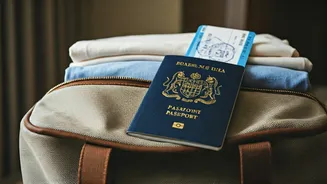
In a move set to reshape year-end travel plans for millions, Malaysia announced visa-free entry for citizens of India. Effective from December 1, 2023, Indian nationals can now enter Malaysia without a visa and stay for up to 30 days. This policy, announced by
Prime Minister Anwar Ibrahim, is a significant step aimed at boosting the country's tourism sector and strengthening ties. The change eliminates the hassle and cost of applying for a visa, which previously involved either an e-visa process or a visa-on-arrival, making spontaneous trips to the Southeast Asian nation a much more attractive proposition. The policy is currently slated to run until December 31, 2024, giving travellers a year-long window to take advantage of the simplified entry.
The Fine Print: What You Need to Know
While the term “visa-free” implies a simple walk-through at immigration, there are a few crucial details to remember. The 30-day stay is non-extendable, so plan your itinerary accordingly. Most importantly, all travellers must fill out the Malaysia Digital Arrival Card (MDAC) online within three days before their arrival. This is a mandatory requirement. You can complete it on the official government portal, and it’s a straightforward process asking for basic travel details. Your passport must also have a validity of at least six months from your date of entry. Essentially, the visa hurdle is gone, but these small administrative steps remain. Think of it as a pre-registration that helps streamline the arrival process for everyone.
The Immediate Effect: A Booking Frenzy
The announcement triggered an immediate and dramatic reaction in the Indian travel market. Major online travel agencies and flight aggregators reported an unprecedented spike in searches for flights to Malaysia. According to reports from platforms like EaseMyTrip and Thomas Cook, search queries for destinations like Kuala Lumpur surged by over 30-40% almost overnight. This digital rush translated into a real-world booking frenzy, with travellers scrambling to lock in airfares before they inevitably rise due to the sudden demand. The phenomenon has been dubbed a “ticket run,” as people who had Malaysia on their wish list suddenly found the biggest barrier to entry removed, prompting them to book first and plan the details later. Airlines are expected to see increased load factors on routes from major Indian cities to Kuala Lumpur and other Malaysian hubs.
Why Now? The Bigger Picture
This policy change isn’t happening in a vacuum. It’s part of a broader trend across Southeast Asia, where countries are competing fiercely for the lucrative post-pandemic tourist dollar. Thailand and Sri Lanka recently made similar visa-free announcements for Indian citizens, and Malaysia's move is a direct response to stay competitive. The Malaysian government has set an ambitious target to attract over 25 million international tourists, and India is a key part of that strategy. Before the pandemic, India was one of the top source markets for tourism to Malaysia. By removing the visa requirement, Malaysia not only makes travel more convenient but also sends a clear message that Indian tourists are welcome. It’s a strategic economic decision aimed at filling hotels, restaurants, and attractions.
Planning Your Malaysian Adventure
With the visa sorted, you can focus on the fun part: planning your trip. Malaysia offers a diverse range of experiences. You can explore the iconic Petronas Towers and vibrant street food scene in Kuala Lumpur, relax on the pristine beaches of Langkawi, or discover the colonial charm and street art of George Town in Penang. For nature lovers, the rainforests of Borneo offer incredible wildlife-spotting opportunities. The visa-free policy makes it easier to consider a multi-destination trip, perhaps combining a city break with a beach holiday. Given the current rush, it's wise to book flights and accommodation in advance, especially if you plan to travel during peak holiday seasons. Look for deals, but be prepared for dynamic pricing as demand continues to be high.