


Kerala’s Healing Karkidaka Kanji
In Kerala, the monsoon month of Karkidakam (mid-July to mid-August) is traditionally a time for rejuvenation. At the heart of this wellness practice is Karkidaka Kanji, a medicinal rice porridge. This isn't just a simple gruel; it's a carefully prepared
concoction made with Njavara rice, a variety known for its health benefits, and a blend of Ayurvedic herbs and spices like fenugreek, cumin, and dry ginger. The porridge is designed to boost immunity, strengthen digestion, and balance the body's doshas, which Ayurveda suggests are aggravated during the damp, cool season. Consumed daily throughout the month, this warm, nourishing meal is a testament to Kerala's deep-rooted belief that food is medicine, providing comfort and strength when the body is most vulnerable.
Kolkata’s Prized Ilish Maach
For Bengalis, the monsoon is synonymous with Ilish, or Hilsa, the undisputed 'King of Fish'. This seasonal delicacy inspires a passion that few other foods can match, with families eagerly awaiting its arrival in markets. The fish migrates from the sea to rivers for breeding during the monsoon, which is when it is considered to be at its most flavourful. Kitchens across West Bengal come alive with the aroma of Ilish prepared in myriad ways: crisply fried (Ilish Bhaja), steamed in a pungent mustard paste (Bhapa Ilish), or wrapped in banana leaves with spices and cooked until tender (Ilish Paturi). The experience of savouring its rich, oily flesh, despite the numerous fine bones, is a cherished monsoon ritual that connects generations.
Rajasthan’s Festive Ghevar
While Rajasthan receives less rainfall, the monsoon still brings with it a special culinary celebration in the form of Ghevar. This disc-shaped, honeycomb-like sweet is intrinsically linked to the monsoon festivals of Teej and Raksha Bandhan. The unique, porous texture of Ghevar is best achieved in the humid conditions of the rainy season, making it a true seasonal specialty. Made from a batter of flour and ghee that is deep-fried into a lacy disc, it's then soaked in sugar syrup and often topped with rabri, nuts, and silver leaf. Sharing Ghevar is a way of welcoming the rains and celebrating togetherness.
Goa’s Aromatic Patoleo
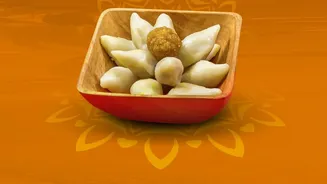
In Goa, the monsoon culminates in a fragrant sweet treat called Patoleo. These are traditionally prepared for the Feast of the Assumption on August 15th, a day that coincides with the peak of the rainy season when fresh turmeric leaves are abundant. The preparation involves spreading a paste of rice flour onto a fresh turmeric leaf, filling it with a mixture of grated coconut and Goan palm jaggery, and then steaming it. As the Patoleo steams, the turmeric leaves impart their distinct, earthy aroma into the sweet filling, creating a flavour that is inseparable from the Goan monsoon experience.
Mumbai’s Streetside Bhutta
No Mumbai monsoon is complete without a walk along a breezy promenade, sheltering under an umbrella while enjoying a freshly roasted bhutta (corn on the cob). As the rains arrive, vendors with their portable coal stoves appear at every corner, especially near the city’s sea-facing spots like Marine Drive and Juhu Beach. The corn is roasted over hot coals until lightly charred, then generously rubbed with a mixture of salt, red chilli powder, and a squeeze of lime. This simple, smoky, spicy, and tangy snack, enjoyed while watching the crashing waves, is a quintessential and nostalgic Mumbai experience that defines the season for many.
Punjab’s Classic Pakode
Across North India, the pitter-patter of rain is an open invitation for a plate of hot, crispy pakoras, and Punjab is no exception. While onion and potato pakoras are universal favourites, Punjab offers its own robust versions, such as those made with paneer or bread. These fritters, made by dipping ingredients in a seasoned gram flour (besan) batter and deep-frying them to golden perfection, are the ultimate comfort food on a gloomy day. Paired with a cup of hot masala chai and tangy green chutney, they become more than just a snack; they are a celebration of the moment, meant to be shared with family and friends while enjoying the downpour.
Maharashtra’s Comforting Pithla Bhakri
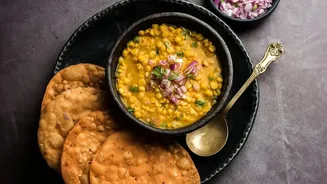
Beyond the bustling cities, rural Maharashtra turns to a humble yet deeply satisfying meal during the monsoon: Pithla Bhakri. Pithla is a simple, flavourful curry made from gram flour (besan), seasoned with onions, garlic, green chillies, and spices. It has a smooth, semi-liquid consistency and is prized for its ability to provide warmth and nourishment. This rustic curry is traditionally served with Bhakri, an unleavened flatbread typically made from jowar (sorghum) or bajra (pearl millet). Often called a 'peasant's meal', this combination is a staple in farming households and becomes especially comforting during the cool, rainy weather, representing the heart of Maharashtrian home cooking.