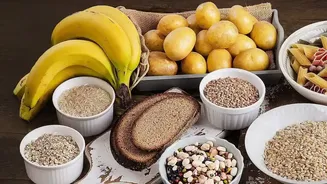







The Problem With the 'Carb Coma'
That familiar feeling of sluggishness after a meal rich in carbohydrates, like pasta, white rice, or bread, is often called a 'carb coma' or brain fog. This happens when quickly digested carbs cause a rapid spike in your blood glucose (sugar) levels.
Your body then releases a large amount of insulin to manage this sugar surge, which can lead to a subsequent 'crash' as your blood sugar drops. This rollercoaster of high and low glucose levels is what leaves you feeling drained, unfocused, and reaching for another coffee just to get through the afternoon. The brain, which relies on a steady supply of glucose for energy, struggles to function optimally during these sharp swings.
What is Fibre-Gating?
Fibre-gating, also known as meal sequencing, is a simple but powerful strategy that focuses on the order in which you eat the different components of your meal. The principle is straightforward: eat your fibre-rich foods first, followed by proteins and fats, and save your starches and sugars (carbohydrates) for last. Instead of overhauling your entire diet or banning your favourite foods, this hack simply reorganises your plate. Think of it as giving your digestive system a strategic head start. By 'gating' the meal with fibre, you create a buffer that changes how your body processes the carbohydrates that follow.
The Science Behind the Sequence
The magic of this method lies in the properties of dietary fibre. When you start your meal with vegetables, the soluble fibre they contain dissolves in water and forms a gel-like substance in your digestive tract. This viscous mesh physically slows down digestion. It delays the emptying of your stomach and slows the rate at which the sugars from your carbohydrates are broken down and absorbed into the bloodstream. The result is a more gradual, gentle rise in blood glucose instead of a sharp spike. This flattened curve prevents the subsequent energy crash, helping you maintain stable energy and mental clarity long after you've finished eating.
How to Practice Fibre-Gating Daily
Putting fibre-gating into practice is simpler than it sounds and doesn't require any special ingredients. It’s all about a simple reordering of your plate. Here are some practical ways to do it: Start with a Salad: Begin your lunch or dinner with a simple green salad dressed in vinaigrette. The fibre from the greens and the fat from the oil are a powerful combination for slowing digestion. Appetiser of Veggies: Before diving into your main course of dal and rice, have a small bowl of steamed or sautéed vegetables like green beans, broccoli, or carrots. Rethink Your Restaurant Order: When eating out, order a vegetable soup or a side of greens to eat before your main dish arrives. Politely ask to have the bread basket brought with your meal, not before it. Prioritise Your Plate: When eating a mixed meal like a thali or a chicken dinner with sides, consciously eat the vegetable portions first, followed by the protein (like chicken or paneer), and finish with the carbohydrates (like roti, rice, or potatoes).
More Than Just Mental Clarity
The benefits of this eating order extend beyond preventing brain fog. Consistently starting your meals with fibre can lead to a host of other health improvements. Because fibre and protein promote a feeling of fullness, you may find that you eat smaller portions of carbohydrates without even trying, which can support weight management. This method has been shown in studies to improve overall blood sugar control, which is particularly beneficial for individuals with pre-diabetes or type 2 diabetes. Furthermore, a diet rich in fibre is essential for good digestion and feeding the beneficial bacteria in your gut, contributing to long-term metabolic health.