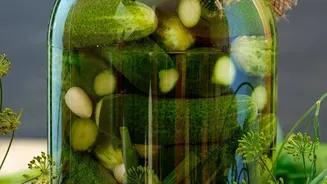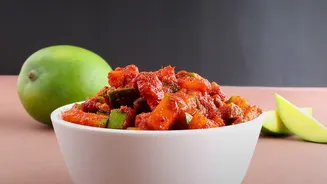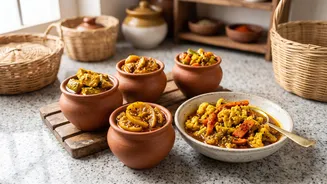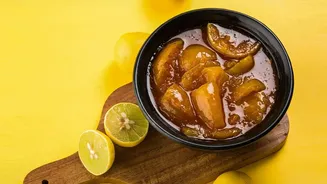

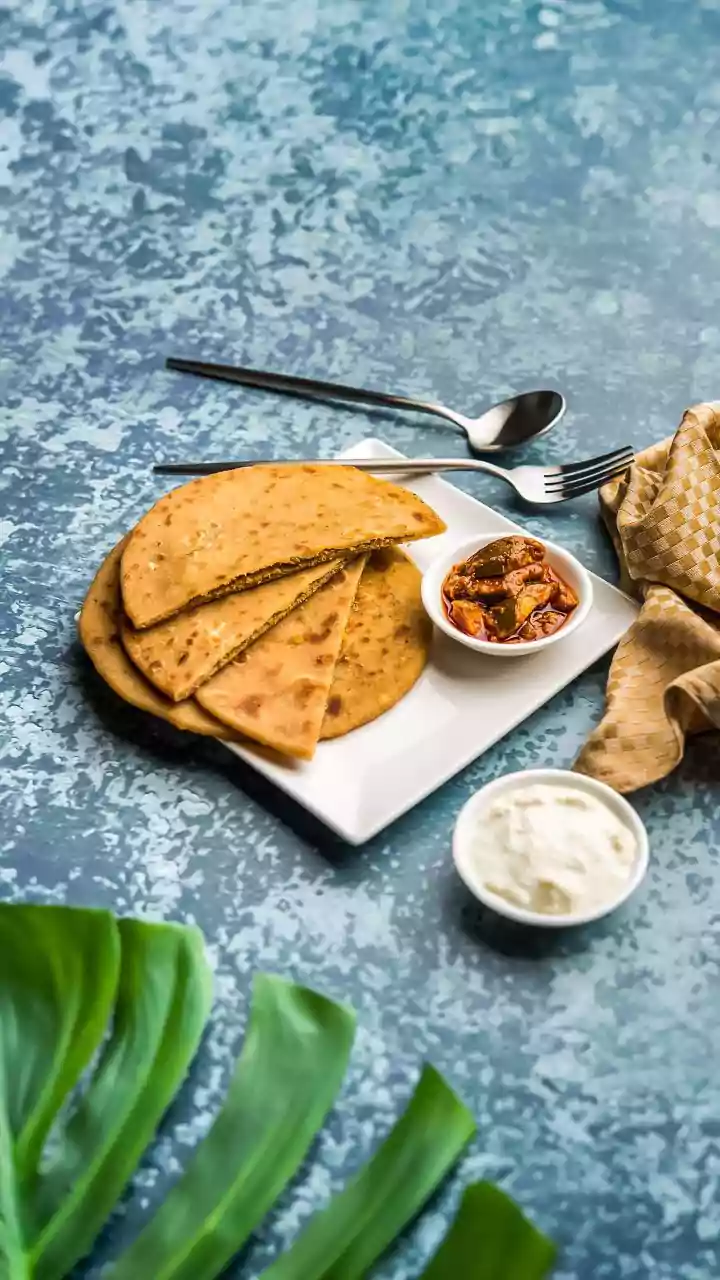
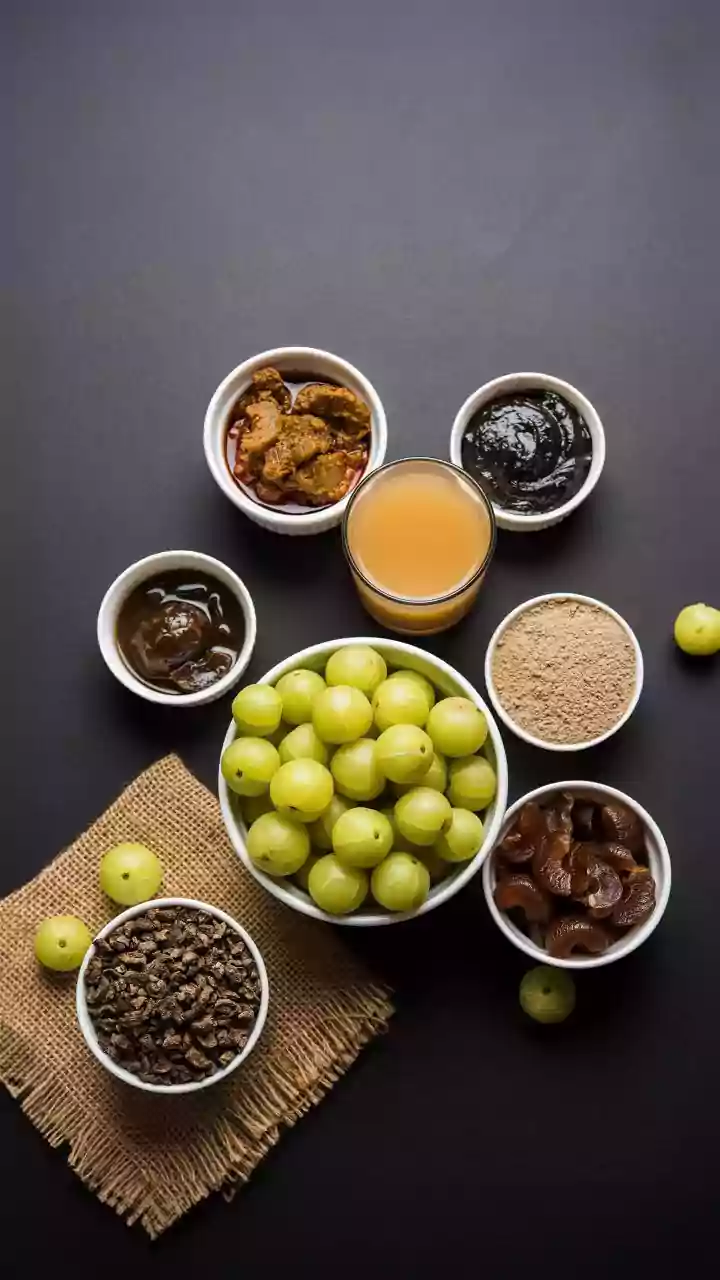


In India, 'achaar' is more than a condiment; it's a vessel of memory and tradition. A new wave of small, regional pickle brands is now tapping into this sentiment, finding a devoted following in big cities far from their origin.
A Craving for Authenticity
For generations, the sharp,
spicy, and sour notes of homemade pickles have been a staple on the Indian dining table, capable of transforming a simple meal of dal and rice into a flavourful experience. This connection to home and tradition is at the heart of the current trend. Urban consumers, increasingly distant from the days of sun-drying mangoes on rooftops, are seeking out flavours that remind them of their grandmothers' kitchens. Brands like Delhi-based Pickle Shickle, with its Coorgi-style pork pickle, and Coimbatore's Ammachi's Pickles, which uses treasured family recipes, are finding success by offering something mass-market brands cannot: a taste of home. These small businesses are not just selling a product; they are offering a story in every jar, a connection to a specific region and a particular family's heritage.
Exploring India's Culinary Diversity
India's pickle landscape is incredibly diverse, with every region boasting its own unique ingredients and methods. While supermarket shelves are often dominated by standard mango and lime varieties, these small-scale producers are introducing urban foodies to a much wider world of flavours. Mithila's JhaJi Store brings the distinctive taste of Bihari pickles, like its stuffed red chilli achar, to a national audience. Vatha's, based in the Malabar region, offers unique pickles made from beetroot, dates, and even seafood like mussels and prawns. This boom allows consumers to travel across the country with their taste buds, exploring everything from the sweet 'Chhundo' of Gujarat to the fiery 'Avakaya' of Andhra Pradesh, all from the comfort of their city homes.
The Digital Dکان and Conscious Consumerism
The rise of these brands has been fuelled by the power of e-commerce and social media. Direct-to-consumer (D2C) platforms allow these entrepreneurs to bypass traditional retail challenges, connecting directly with customers who value their story. Brands like FarmDidi, which empowers rural women, have successfully used online marketplaces to become bestsellers, highlighting a business model that is both profitable and socially conscious. This digital shift coincides with a growing consumer demand for transparency. Buyers are more interested than ever in where their food comes from, favouring brands that use natural ingredients, traditional preservatives like salt and oil, and are free from artificial additives. Many of these small brands source their ingredients directly from local farms, ensuring quality and supporting local economies, a fact they proudly share with their online followers.
More Than Just a Side Dish
The appeal of these regional pickles goes beyond just health and wellness; it's about a return to tradition and the perceived health benefits of fermented foods. Traditional Indian pickling often involves lactofermentation, a process that creates probiotics beneficial for gut health. While high salt and oil content mean pickles should be eaten in moderation, options made with quality cold pressed oils and natural ingredients are seen as a better choice than their factory made counterparts. This movement isn't just about what's inside the jar. It’s a conscious choice to support small entrepreneurs, celebrate India’s rich culinary tapestry, and keep ancestral recipes alive in a rapidly modernising world. It represents a shift in consumer values, where authenticity, heritage, and flavour are prized above all else.