




After a period of intense scrutiny over spiraling costs and an unworkable timeline, NASA's historic Mars Sample Return mission is back on the agenda. The agency has announced a major reset, signaling a renewed commitment to this landmark project.
A Mission of Historic Proportions
For decades,
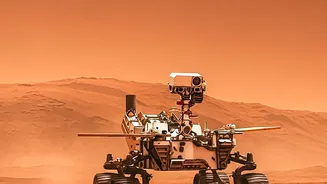
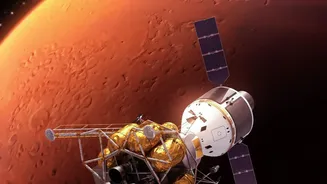
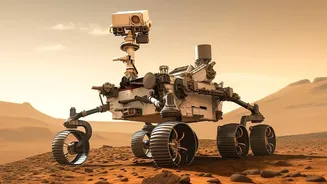
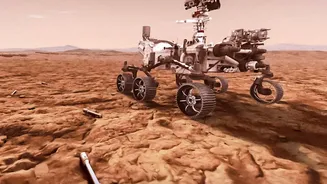
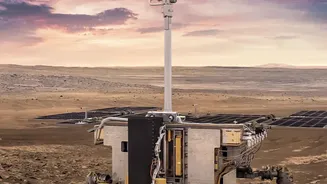
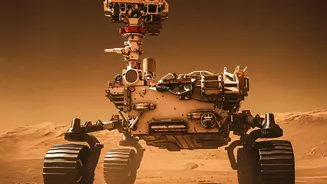
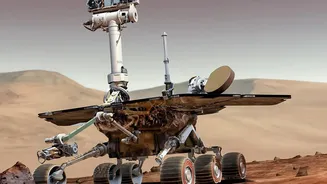
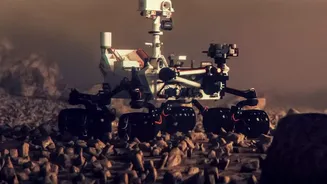
bringing a piece of Mars back to Earth has been a top priority for planetary scientists. The Mars Sample Return (MSR) mission is designed to do just that. The project's first phase is already underway: NASA's Perseverance rover, which landed on Mars in 2021, has been drilling into ancient lakebed deposits in Jezero Crater and sealing rock and soil samples in titanium tubes. These carefully selected samples are believed to hold clues that could revolutionize our understanding of the solar system, particularly the ultimate question of whether life ever existed on the Red Planet. The original plan involved a complex sequence of new spacecraft: a lander to retrieve the tubes, a small rocket to launch them into Mars orbit, and an orbiter to capture the container and fly it back to Earth.
An 'Unacceptable' Price Tag and Timeline
The mission's complexity led to serious problems. In 2023, an independent review board concluded the project had a 'near-zero' chance of meeting its schedule and budget. The projected cost had ballooned from earlier estimates to a staggering $11 billion, and the return date for the samples had slipped to 2040. NASA Administrator Bill Nelson declared both figures 'unacceptable', stating that the high cost would force the agency to 'cannibalize' other critical science programs. Faced with this reality and pressure from Congress, NASA put the mission on pause, effectively removing it from the immediate priority list and triggering a complete rethink of how to achieve its ambitious goals.
The New Plan: A Fresh Start
In a significant turnaround, NASA has now kickstarted a new initiative to get the mission back on track. Announced in early November 2026, the new effort is called the Perseverance Sample Retrieval Architecture (PSRA). This isn't just a minor tweak; it's a fundamental reassessment of the entire project. An internal NASA team will begin work in January 2027 to develop a new, more realistic strategy. The goal is to review all previous lessons learned and assess new capabilities, including those from commercial industry partners, to find a more affordable and efficient way to bring the precious cargo home. The new approach is intended to deliver a final report with recommendations by the winter of 2027-2028.
Why the Rush? Science and Competition
The scientific prize is immense. Analyzing these samples in advanced labs on Earth could provide definitive answers about Mars' past habitability, its geological history, and even the origins of our solar system. There's another factor driving the renewed urgency: international competition. China is moving forward with its own Mars sample return mission, Tianwen-3, which aims to launch around 2028 and return samples to Earth as early as 2031. This has put pressure on NASA to find a workable path forward for its own mission, which has long been a flagship goal for the international science community.
The Challenging Path Forward
While the mission is once again a priority, the path forward remains challenging. The PSRA team's job is to architect a mission that is not only scientifically sound but also fits within a more constrained budget. The new plan will have to be innovative, possibly simplifying the multi-spacecraft design or relying on new technologies that have emerged since the original concept was developed. The agency is looking for a way to bring the samples back sooner than the previously projected 2040 date and for a cost significantly less than the $11 billion estimate. The success of this new planning phase will determine the future of one of the most ambitious robotic exploration efforts ever undertaken.