



The Post-Monsoon Advantage
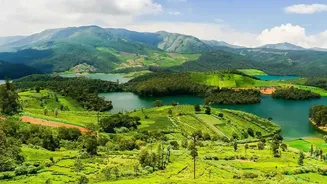
November is arguably one of the best times to visit the hill stations of South India. The heavy rains have subsided, washing the landscape clean and leaving behind a world of impossible green. The waterfalls are still full, the air is fresh, and the climate
is pleasantly cool without being uncomfortably cold. It’s a ‘shoulder season’ of sorts—you get the benefit of the post-monsoon beauty with fewer crowds than the peak tourist rush of December and January. Temperatures in both Munnar and Ooty are ideal for sightseeing, with cool mornings and evenings that call for a light jacket, and comfortable, sunny days.
Munnar: The Emerald Sea of Tea
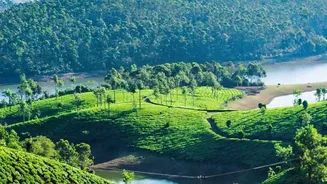
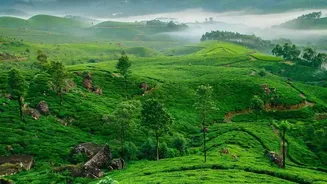
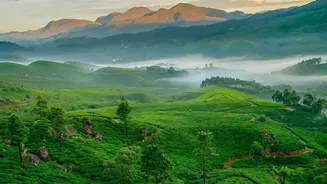
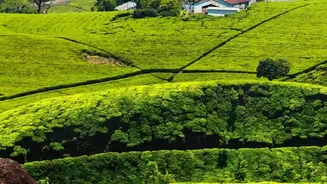
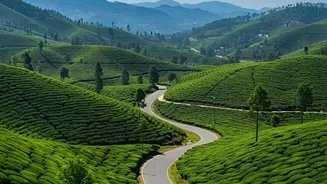
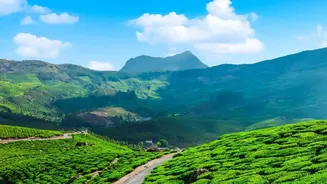
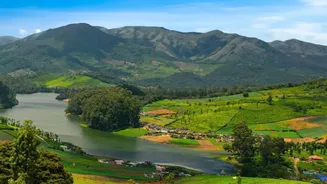
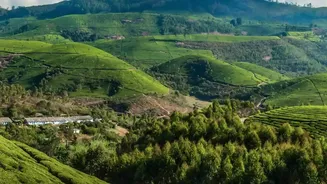
Munnar, in Kerala's Western Ghats, is synonymous with tea. In November, the sprawling tea plantations are at their most photogenic, with misty mornings giving way to bright, clear skies. The weather is perfect for long walks through the estates or visiting the Tata Tea Museum to understand the journey from leaf to cup. Temperatures typically range from a cool 12°C at night to a pleasant 22°C during the day. One of Munnar’s star attractions, the Eravikulam National Park, is a must-visit during this time. It’s home to the endangered Nilgiri Tahr, and the post-monsoon season offers lush grasslands and excellent visibility for spotting these mountain goats. Other key activities include boating at Mattupetty Dam, visiting Echo Point, and trekking through the stunning scenery.
Ooty: The Queen of Colonial Charm
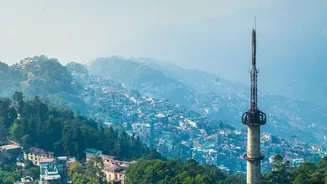
Ooty, or Udhagamandalam, in Tamil Nadu, offers a different kind of magic. Known as the 'Queen of the Hills', it retains a classic, colonial-era hill station atmosphere. In November, the weather is similarly pleasant, with temperatures hovering between 12°C and 20°C, making it ideal for exploring its famous gardens. The Government Botanical Garden and the Rose Garden are key attractions that thrive in this climate. A signature Ooty experience is a ride on the Nilgiri Mountain Railway, a UNESCO World Heritage toy train that chugs through breathtaking valleys and tunnels. Boating on Ooty Lake is another popular, family-friendly activity. Compared to Munnar's sprawling, nature-centric vibe, Ooty feels more like a bustling town nestled in the hills, with more structured sightseeing opportunities.
Head-to-Head: Vibe and Activities
Your choice between Munnar and Ooty for a November trip boils down to the kind of holiday you seek. Munnar is the undisputed champion for romantic getaways and immersive nature experiences. Its landscape is vast and best suited for those who want to relax, trek, and lose themselves in endless greenery. The attractions are more spread out, encouraging slow travel and exploration.Ooty, on the other hand, is perfect for families and those who enjoy a more classic holiday with a checklist of attractions. With its gardens, lake, museums, and the famous toy train, it offers a wider variety of easily accessible activities concentrated in and around the town. While both have tea plantations, Munnar's are more central to its identity, whereas Ooty's are part of a broader mix of sights.
Making Your Choice: A Practical Guide
From a practical standpoint, both destinations are well-connected by road. Ooty is often seen as more accessible from cities like Bangalore and Coimbatore. Munnar is easily reached from Kochi in Kerala. In terms of atmosphere, if you are looking for tranquility and a slower pace amidst sprawling natural beauty, Munnar is your answer. If you prefer a livelier destination with colonial architecture, more shopping options for things like homemade chocolates and eucalyptus oil, and a nostalgic charm, Ooty will be a better fit. Ultimately, there is no wrong choice. Both hill stations are at their prime in November, offering a refreshing escape into the cool, green heart of South India.