


Hibiscus (Gudhal)
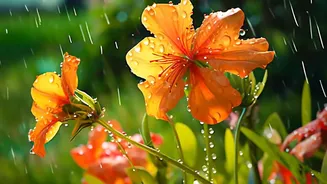
A staple in many Indian homes, the hibiscus is a surprisingly tough plant that flowers profusely during the rainy season. Its large, vibrant blooms in shades of red, pink, and yellow can brighten up even the greyest of monsoon days. While hibiscus enjoys
the consistent moisture, good drainage is non-negotiable to prevent its roots from sitting in water. Ensure your pot has plenty of drainage holes and use a well-aerated soil mix. It’s also a good idea to place pots on stands or bricks to help excess water escape freely. With its strong stems and ability to thrive in humidity, hibiscus is a reliable choice for adding a tropical feel to your balcony.
Balsam (Gul Mehndi)
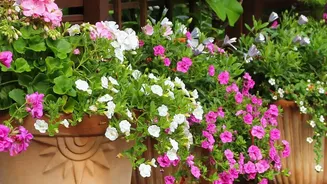
Balsam is considered a classic monsoon annual for a reason. Often called Gul Mehndi, this plant is incredibly easy to grow from seed at the start of the rains and will reward you with continuous flowers until the season ends. Its delicate, camellia-like blooms come in lovely shades of pink, white, and violet. Balsam thrives in the humid conditions and consistent moisture of the monsoon. The main thing to watch for is overcrowding. Plant them with enough space in between to allow for good air circulation, which helps prevent the fungal issues that can be common in damp weather. They are a perfect, low-drama choice for adding seasonal colour to your balcony pots and railings.
Marigold (Genda)
Marigolds are one of the most dependable flowers for an Indian monsoon garden. These cheerful, hardy annuals in shades of brilliant orange and yellow seem to flourish in the rain. They are exceptionally rain-tolerant and can handle downpours without much fuss, making them ideal for exposed balconies. The key to success with marigolds during this season is excellent drainage and plenty of sun. They need at least five to six hours of sunlight to produce abundant flowers. Use a loose, well-draining soil mix and pots with clear drainage holes. To encourage a bushier plant with more blooms, you can pinch off the growing tip when the plant is young.
Jasmine (Mogra)
The intoxicating fragrance of jasmine, or mogra, is synonymous with Indian evenings, and it becomes even more pronounced during the humid monsoon. This plant loves the rise in humidity and often produces its best flushes of flowers during the rainy season. While it enjoys the moisture, it does not like to have its roots waterlogged, so a well-draining pot is essential. Place your mogra plant where it can receive a good amount of sunlight. Regular pruning after a flowering cycle will encourage new growth and more of those beautifully scented white blossoms. The combination of petrichor and jasmine fragrance is a simple monsoon pleasure no balcony gardener should miss.
Ferns
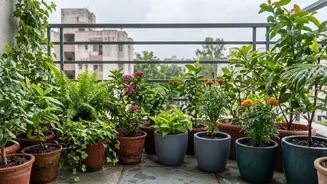
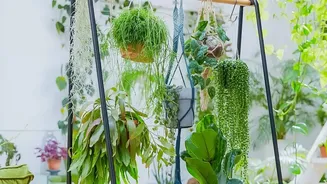
After struggling through the dry heat of summer, many ferns come alive during the monsoon. Varieties like the Boston fern treat the rainy season's humidity like a spa treatment, often exploding with new growth. These plants are an excellent choice for shadier corners of your balcony that don't receive harsh, direct sunlight. They love the moist air and consistent dampness in the soil. However, it's still crucial to ensure their pots don't become stagnant pools of water. Good drainage remains important. Ferns are perfect for adding lush, deep green texture to your balcony, creating a tranquil, jungle-like feel that perfectly complements the rainy weather.