

If your tropical houseplants are looking a little sad with brown, crispy leaf edges, the problem might be your air, not your watering can. Dry indoor environments can stress moisture-loving plants. Luckily, a humidity tray is an easy solution.
What is a Humidity Tray?
A humidity
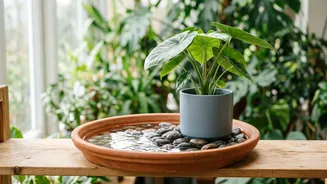
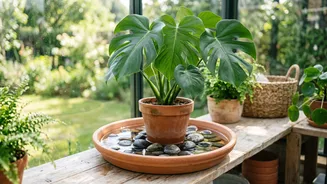
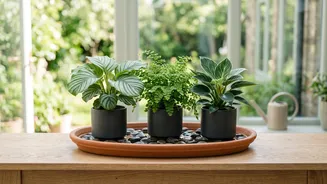
tray, often called a pebble tray, is a simple, low-tech tool to create a pocket of moisture around your plant. It consists of a shallow, waterproof tray filled with a layer of pebbles or gravel and a small amount of water. The plant's pot sits on top of the pebbles, elevated above the water. As the water in the tray evaporates, it increases the ambient humidity in the immediate vicinity of the plant's leaves, helping to mimic the humid conditions of its native tropical habitat.
Why Humidity Matters to Your Plants
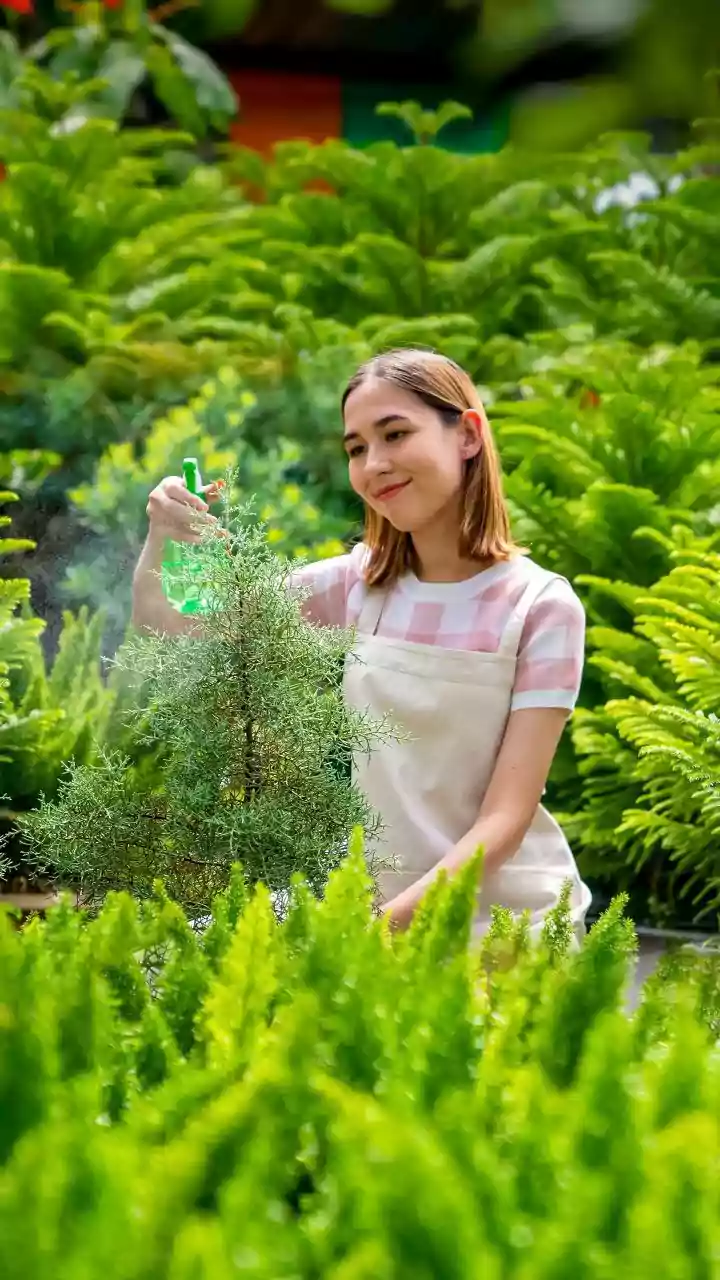
Many popular houseplants, like ferns, calatheas, and orchids, evolved in rainforests where humidity is consistently high. In typical homes, especially those with central heating or air conditioning, the air is much drier. This dry air causes plants to lose water from their leaves faster than their roots can absorb it, a process called transpiration. This can lead to symptoms like browning leaf tips, curling or wilting leaves, and stunted growth. A humidity tray helps to create a more balanced microclimate, reducing this stress.
Step 1: Gather Your Materials
Creating a humidity tray is both easy and inexpensive. You likely have most of what you need at home. You will require three basic components: a shallow, waterproof tray, a filler material, and water.For the tray, choose one that is wider than the base of your plant's pot; the larger the surface area, the more effective the evaporation. A plant saucer, a baking dish, or even a repurposed plastic food container will work perfectly. For the filler, you'll need enough pebbles, gravel, or decorative stones to create a layer about an inch deep. Porous materials like expanded clay aggregate (LECA) are also excellent choices as they hold moisture.
Step 2: Assemble Your Tray
Start by filling your chosen tray with an even layer of your pebbles or gravel. The goal is to create a stable platform that will hold your plant's pot above the water line. Once you have a solid layer of pebbles, pour water into the tray. The key is to add enough water so that the level sits just below the top of the pebbles. This is the most critical part of the setup: the bottom of your plant's pot must never be in direct contact with the water, as this can lead to waterlogged soil and root rot.
Step 3: Position Your Plant and Maintain
Place your potted plant directly on top of the pebble layer. Check to ensure the base of the pot is stable and sitting above the water. As the water evaporates over the next few days, you will need to top it off. Keep an eye on the water level and refill it as needed to maintain consistent humidity. Every couple of weeks, it's a good practice to give the tray and pebbles a thorough cleaning to prevent the growth of algae or bacteria. Simply scrub the pebbles and tray with a brush under running water.
Which Plants Benefit Most?
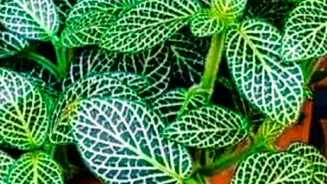
While not every plant needs extra humidity, many popular tropical and subtropical species will thrive with a pebble tray. Plants that show the most significant improvement include ferns (especially Boston and Maidenhair), Calatheas (prayer plants), orchids, and peace lilies. Others that appreciate the extra moisture are Alocasias, Monsteras, Philodendrons, and Begonias. Conversely, plants adapted to dry conditions, such as succulents and cacti, do not need and will not benefit from a humidity tray.
Managing Expectations and Alternatives
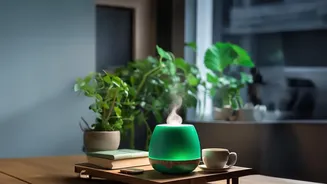
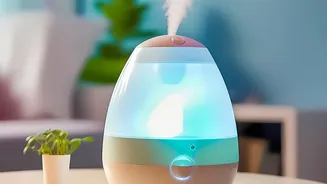
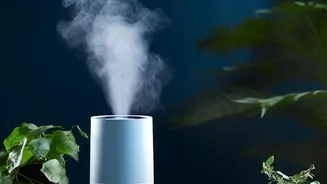
It's important to understand that a humidity tray creates a localized effect; it will raise the humidity for a few inches around the plant but won't change the humidity of an entire room. For a more significant, room-wide impact, especially if you have many tropical plants or very dry air, a mechanical humidifier is a more effective solution. Another simple technique is to group several humidity-loving plants together. As they release water through transpiration, they collectively raise the moisture level in their immediate area.