



First, Prep Your Garden for Rain
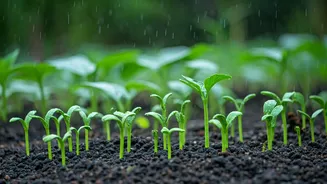
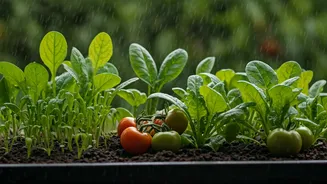
Success in monsoon gardening is all about managing water. Heavy rains can lead to waterlogged soil, which suffocates roots and encourages fungal diseases. The key is excellent drainage. If you are planting in containers, ensure they have plenty of drainage holes.
Add a layer of broken pot pieces or gravel at the bottom before filling them. For soil mix, combine equal parts garden soil, compost, and cocopeat or sand. This creates a light, airy medium that retains moisture without becoming soggy. If you’re planting in the ground, consider creating raised beds. Elevating the planting area by just 6-8 inches can dramatically improve drainage and give your plants a much better chance of thriving.
Okra (Bhindi): The Monsoon Star
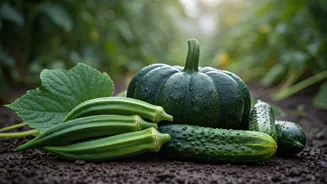
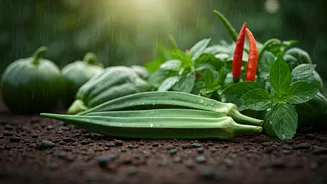
Lady's finger, or bhindi, is a classic monsoon crop for a reason. It loves the warm, humid weather and grows vigorously during this season. Sow the seeds directly into your prepared pots or garden beds, about an inch deep. They germinate quickly, often within a week. Bhindi plants are relatively low-maintenance, but they do benefit from consistent moisture, which the monsoon provides naturally. Keep an eye out for common pests like aphids. A simple spray of neem oil solution (a mixture of neem oil, a few drops of liquid soap, and water) every 10-15 days can act as an effective preventative measure. You can expect to start harvesting tender, delicious bhindi in about 50-60 days.
Gourds Galore: Lauki, Karela, and More
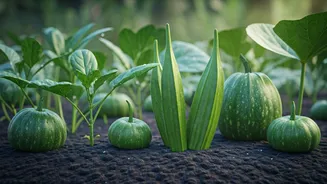
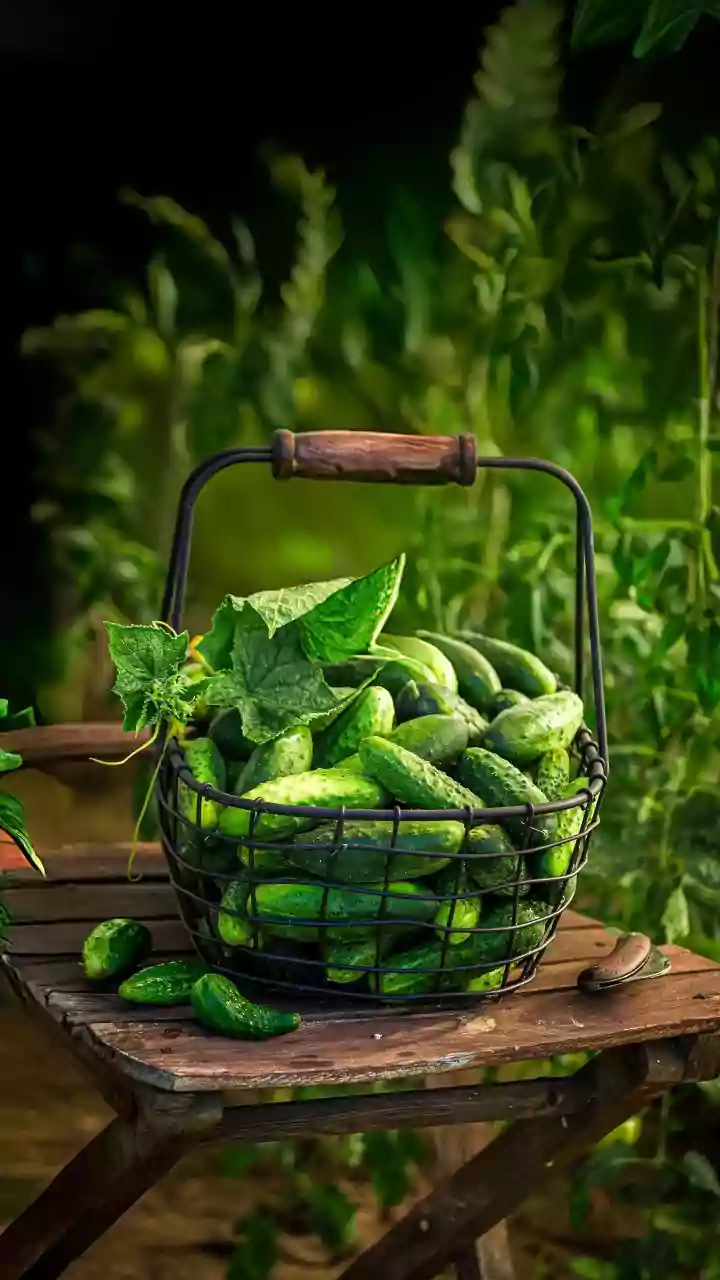
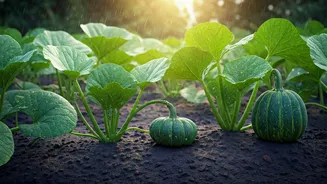
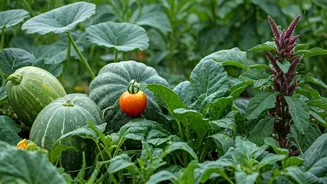
The monsoon is the prime season for a variety of gourds. Bottle gourd (lauki), bitter gourd (karela), ridge gourd (tori), and cucumber (kheera) are all excellent choices. These are climbing plants, so they will need a sturdy support structure like a trellis or a net to grow on. Growing them vertically not only saves space but also improves air circulation around the leaves, which helps prevent fungal infections common in the damp monsoon air. Sow 2-3 seeds per spot and thin out the weakest seedling once they sprout. These plants are heavy feeders, so ensure your soil is rich with compost. With proper support and care, you’ll have a steady supply of fresh gourds for your curries and sabzis.
Leafy Greens That Love the Rain
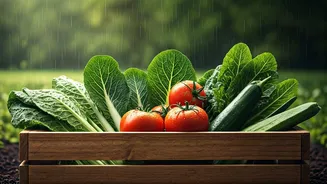
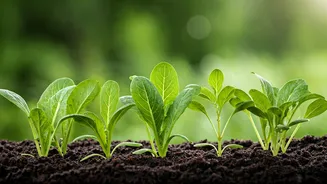
While many delicate greens can rot in heavy rain, certain varieties flourish. Amaranth (both red and green, known as chaulai or laal saag) is incredibly resilient and grows rapidly in the monsoon. Spinach (palak) also does well, especially if planted in a spot with partial shade to protect it from the most intense downpours. The trick with leafy greens is to ensure good air circulation and avoid overcrowding. Harvest the outer leaves regularly to encourage new growth and prevent the lower leaves from rotting. These greens are packed with nutrients and can be harvested multiple times throughout the season, providing a continuous supply for your kitchen.
Quick-Growing Root Vegetables
Not all root vegetables are suitable for the monsoon, as they can rot in waterlogged soil. However, radish (mooli) is a fantastic exception. It grows very quickly and can be ready to harvest in as little as 30-40 days, making it a very satisfying crop for impatient gardeners. Plant the seeds in loose, well-draining soil to allow the roots to develop properly. Another excellent choice is turmeric (haldi). While it takes much longer to mature (8-9 months), the monsoon is the perfect time to plant the rhizomes. The plant loves the rain, and its beautiful, lush leaves add an ornamental touch to the garden. You can harvest fresh turmeric long after the monsoon has passed.
Essential Herbs: Coriander and Mint
No Indian kitchen garden is complete without fresh herbs. Coriander (dhania) and mint (pudina) can be grown successfully during the rainy season with a bit of care. For coriander, choose a wide, shallow pot with excellent drainage. Sow the seeds generously and cover with a thin layer of soil. Keep the pot in a location that receives a few hours of sun but is protected from direct, heavy rainfall. Mint is even easier; it thrives in moist conditions. Plant it in a separate pot as it can be invasive and take over a garden bed. Regular harvesting of both herbs will encourage bushier growth and provide you with fresh flavours for your chutneys, garnishes, and drinks all season long.