


The Sun’s Turbulent Temper
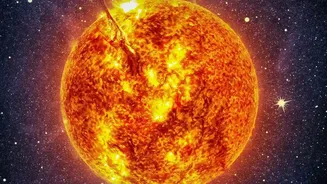
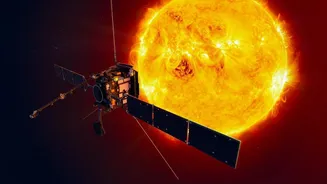
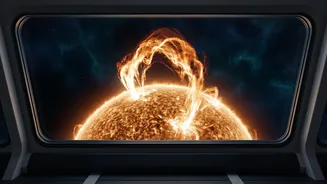
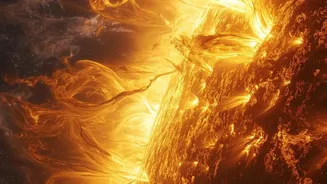
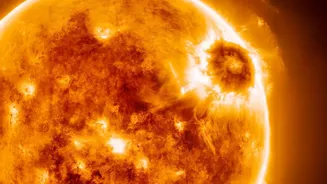
A solar storm isn't a storm in the earthly sense, with wind and rain. Instead, it's a massive eruption of plasma and magnetic fields from the Sun's outer atmosphere, the corona. These events, known as Coronal Mass Ejections (CMEs), can hurl billions of tonnes
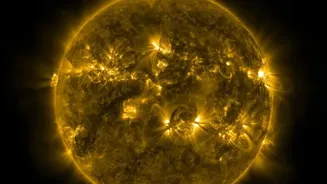
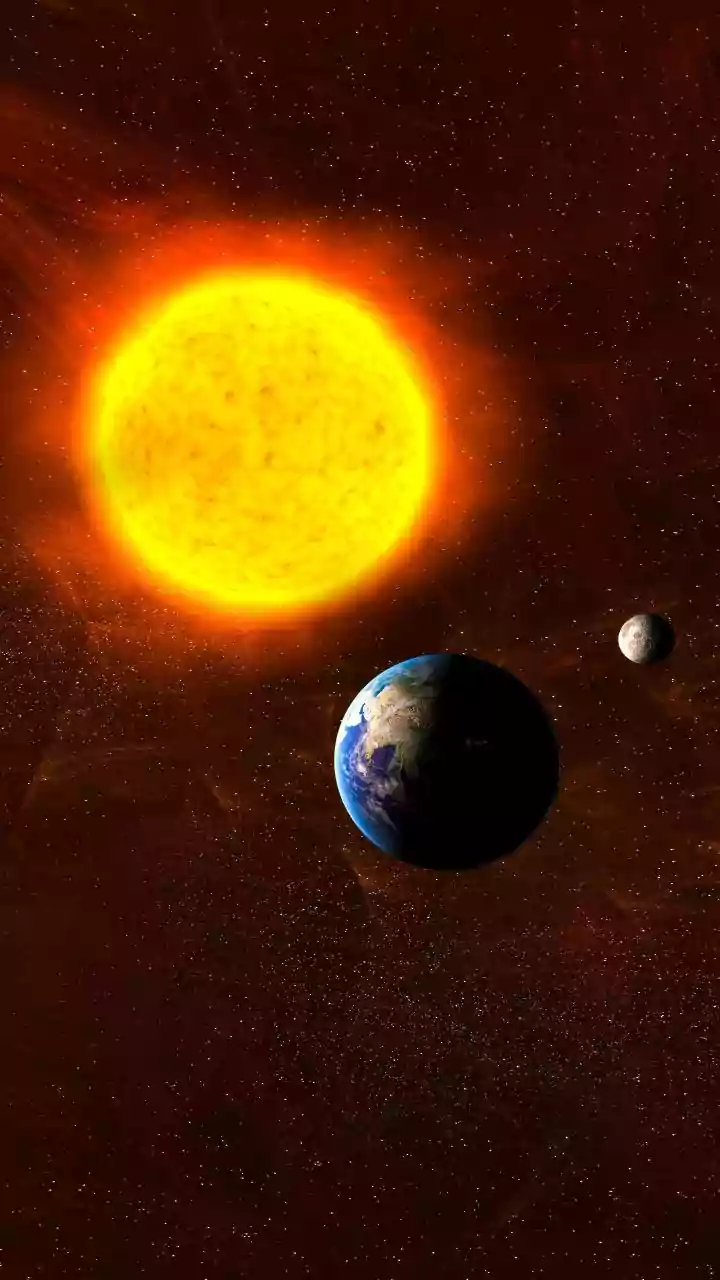
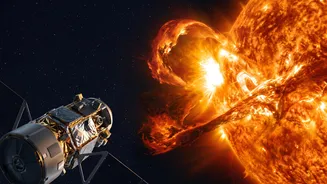
of solar material into space at speeds up to 3,000 kilometres per second. The fastest can reach Earth in less than a day. CMEs are often born from the tangled magnetic fields around sunspots, which can suddenly snap and reconnect, releasing an immense amount of energy. Think of it as a cosmic cannonball of magnetised plasma, sometimes wider than the distance between the Earth and the Sun, hurtling through the solar system.
A Threat to Our Wired World
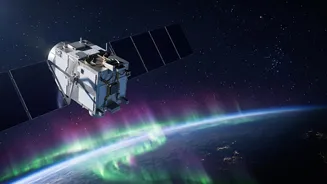
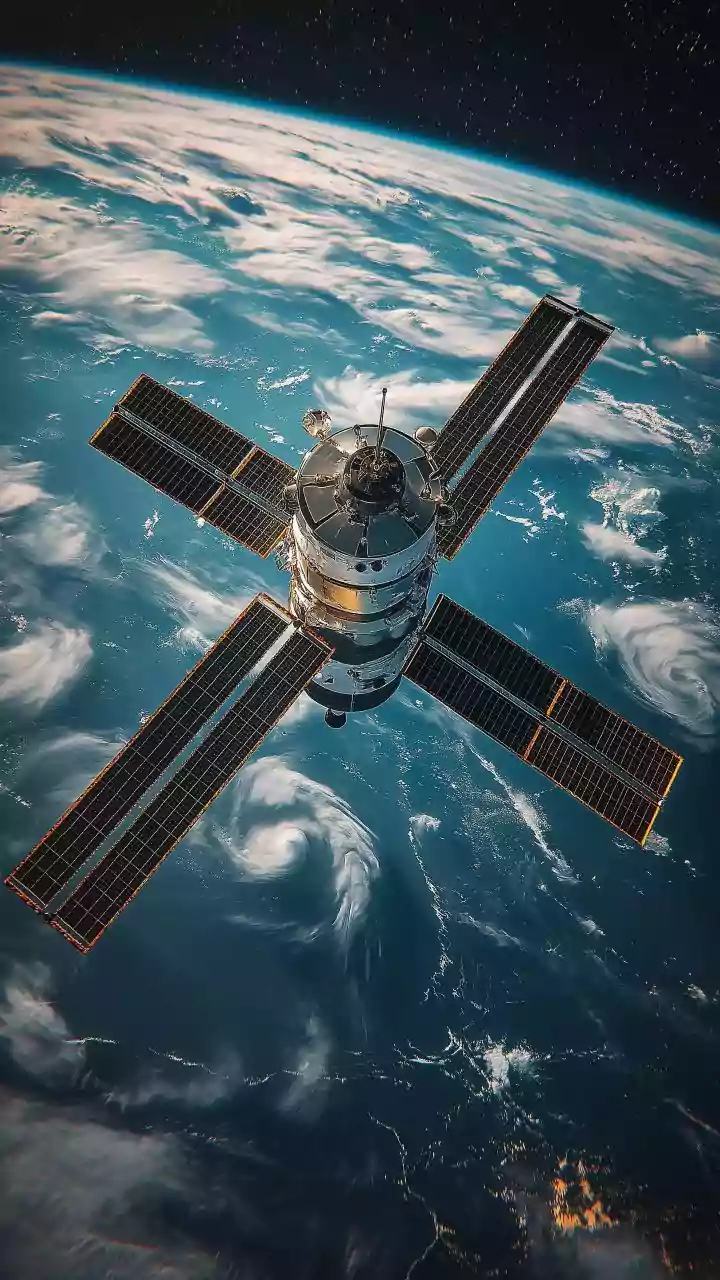
While Earth's magnetic field protects us from most solar radiation, an intense CME can be powerful enough to punch through these defences, creating a geomagnetic storm. The consequences for our high-tech society could be severe. These storms can induce powerful electrical currents in the ground, overloading power grids and potentially causing widespread, long-lasting blackouts. They can also fry the electronics of the thousands of satellites we rely on for GPS, internet, banking, and weather forecasting. The most extreme example is the 1859 Carrington Event, a solar superstorm that caused telegraph systems to spark and fail, and set papers on fire. A storm of that magnitude today could cause trillions of dollars in damage and trigger an 'internet apocalypse'.
Racing Against a Cosmic Clock
The challenge with solar storms is the short warning time. Traditionally, scientists have relied on satellites positioned between the Sun and Earth to detect incoming CMEs. By monitoring the Sun for flare-ups and analysing the solar wind, forecasters can issue warnings. However, this often gives us less than an hour of notice before the storm hits, which is not always enough time for power grid operators and satellite controllers to take protective measures. Previous prediction models were either localised, not timely, or lacked precision on a global scale. The sheer speed of these events means that by the time we see a dangerous one coming, we are already in a race against the clock.
Enter the AI Forecaster: DAGGER
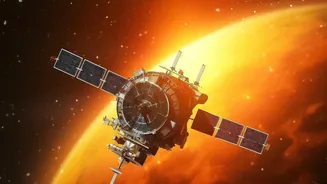
This is where NASA's new AI model comes in. It's called DAGGER, which stands for Deep Learning Geomagnetic Perturbation. Developed in partnership with researchers at the Frontier Development Lab, DAGGER uses a form of AI called deep learning to analyse vast amounts of data from spacecraft that monitor the solar wind. The AI has been trained to identify the subtle patterns and connections between the solar wind's properties and the resulting geomagnetic disturbances on Earth. By recognising these precursor signatures, which human analysis might miss, the system can predict the location and severity of a solar storm's impact anywhere on the globe.
A 30-Minute Head Start
The key advantage of DAGGER is that it provides a crucial 30-minute advance warning before a geomagnetic storm hits. The model can generate a detailed, worldwide forecast in less than a second and updates its predictions every minute. This 30-minute window is a game-changer. It gives utility companies enough time to adjust grid operations to prevent blackouts, allows satellite operators to put their spacecraft into a protective safe mode, and helps secure communication and navigation systems. The system was successfully tested against past storms from 2011 and 2015, accurately forecasting their global impacts. As our Sun enters a more active period, this AI-powered early warning system is becoming an essential tool for protecting our critical infrastructure.