





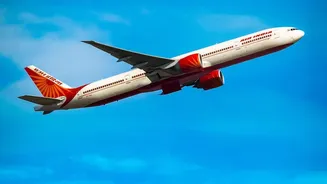
A Diplomatic Stage for a Global Problem
During a two-day visit to Cairo aimed at strengthening trade and investment ties, Union Commerce and Industry Minister Piyush Goyal used the platform to voice a pressing concern for India's economy: an 'acute' shortage of civilian aircraft. While leading
a business delegation and participating in the India-Egypt Business Forum, Goyal highlighted that the issue of aircraft availability has become a significant bottleneck. His remarks underscored that this isn't just a domestic issue but a global supply chain failure that requires engagement with international manufacturers. The minister explicitly linked better aircraft supply to enhanced connectivity, stating that more planes would enable Indian carriers to operate more flights to countries like Egypt, benefiting bilateral trade and tourism.
The Scale of India's Ambition
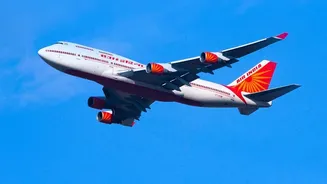
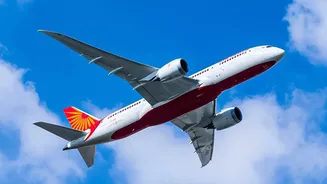
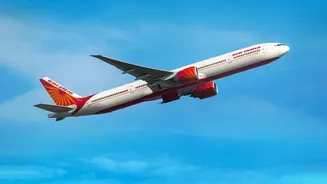
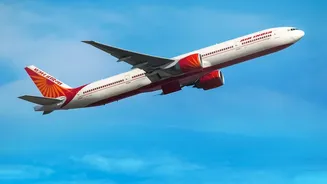
To understand the severity of the shortage, one has to look at the sheer scale of India's aviation ambitions. The country is one of the fastest-growing aviation markets in the world, with its commercial fleet projected to expand at an annual rate of 7.1% over the next decade. To meet this soaring demand, Indian carriers like Air India, IndiGo, and Akasa Air have placed massive orders. Goyal confirmed that Indian airlines already have more than 1,200 aircraft on order but stated that the country's total requirement is over 2,000 planes. He even declared that India is prepared to order another 1,000 aircraft, a clear signal to manufacturers about the market's vast potential and urgent needs.
A Global Bottleneck in Production
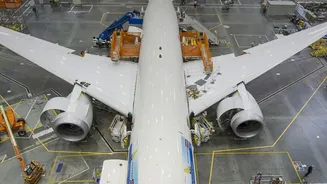
The problem isn't a lack of orders, but a severe lag in deliveries. Major aircraft manufacturers like Airbus and Boeing are struggling with substantial order backlogs from airlines worldwide. The post-pandemic recovery has been hampered by persistent supply chain disruptions, including shortages of crucial components, raw materials, and even specialised items like business class seats. This has a direct impact on production lines, with delivery schedules for some Indian orders stretching as far as 2034, according to ministry data. The situation is exacerbated by issues with engine manufacturers. Pratt & Whitney, for instance, has faced problems with a powder metal defect in some of its engines, leading to the grounding of dozens of aircraft for Indian carriers like IndiGo and contributing to the operational collapse of Go First. These engine troubles further strain airline capacity, independent of new aircraft delivery delays.
The Ripple Effect on Airlines and Passengers
For Indian airlines, this supply constraint creates a difficult paradox. They are flush with capital and have ambitious expansion plans, but they cannot get the planes they need to grow. This directly impacts their ability to add new routes, increase flight frequencies, and compete effectively. For passengers, the consequences are tangible. A constrained fleet capacity amid rising demand inevitably puts upward pressure on airfares. Fewer available aircraft can also mean less competition on certain routes and potential delays in the rollout of new, more fuel-efficient planes, which could otherwise help moderate ticket prices. The International Air Transport Association (IATA) noted that supply chain failures cost airlines billions globally in 2025, a cost that indirectly finds its way to the consumer.
Searching for Solutions
Faced with this challenge, the Indian government is actively pressing established manufacturers to speed up their deliveries. Beyond persuasion, there is a growing emphasis on building a more resilient domestic ecosystem. This includes encouraging aircraft leasing and financing from hubs like GIFT City to reduce reliance on foreign lessors, who currently provide over 85% of India's fleet. Furthermore, there is a push for domestic manufacturing partnerships. The collaboration between Brazil's Embraer and the Adani Group to explore regional aircraft manufacturing in India is one such example. These long-term strategies aim to reduce vulnerability to global shocks and build self-reliance, but for the immediate future, India's soaring aviation sector remains dependent on a global supply chain that is struggling to keep up.