
Interlaken & The Jungfrau Region
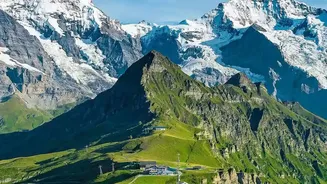
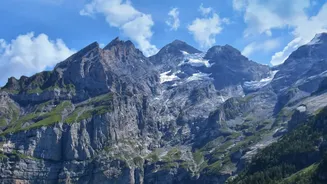
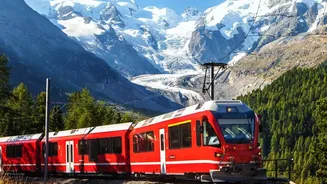
Known as the adventure capital, Interlaken is the gateway to the famous Jungfrau mountain range. This is where many tourists flock for the iconic 'Top of Europe' train journey. Unsurprisingly, this popularity comes at a price. The summer months from June
to August see the biggest crowds and highest costs for everything from hotels to the mountain railways. Accommodation and activity prices can be up to 50% higher than in the off-season. For a more relaxed and affordable visit, consider the shoulder seasons of May, early June, September, or October. During these months, the weather is often still pleasant for hiking, the crowds have thinned, and you're more likely to find deals on accommodation.
Lucerne
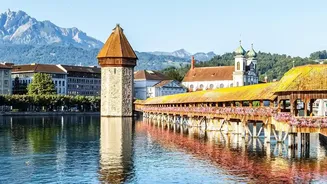
With its charming old town, famous Chapel Bridge, and stunning lake surrounded by mountains like Pilatus and Rigi, Lucerne is the Switzerland of postcards. This also makes it incredibly popular. The summer months are packed with visitors, leading to crowded streets and fully booked lake cruises. Accommodation is a significant expense here, so booking well in advance is crucial, especially for a summer trip. To save money, visiting during the spring (April-May) or autumn (September-October) is a smart move. Not only are hotels more affordable, but the city is also less crowded, making for a more peaceful experience exploring its medieval architecture and lakeside promenades.
Zermatt
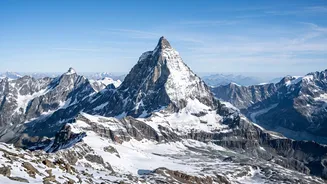
Home to the magnificent Matterhorn, Zermatt is a world-class destination for both skiing in winter and hiking in summer. This car-free village has a reputation for being one of Europe's most exclusive and expensive resorts. Prices for hotels, dining, and the all-important mountain lifts are at their highest during the peak winter ski season (especially Christmas and New Year's) and in July and August. For a more budget-conscious trip, the shoulder seasons are your friend. September and October offer golden autumn colours and fantastic hiking conditions with fewer people. Staying in the nearby village of Täsch and taking the short train ride into Zermatt is another proven strategy to save on accommodation costs.
Zurich
As Switzerland's largest city and a major international travel hub, Zurich is busy year-round. While it's known as a global finance centre, it offers a beautiful old town, a vibrant arts scene, and easy access to Lake Zurich. Though notoriously expensive, there are clever ways to manage costs. Investing in a Zürich Card can offer free public transport and museum entries. Many of the city's best experiences are free, such as swimming in the lake, admiring the architecture, and drinking from the more than 1,200 public water fountains. Eating at the self-service restaurants in large supermarkets like Coop and Migros is a local trick to avoid high restaurant bills.
Geneva
Sitting on the shores of its vast lake, the diplomatic city of Geneva is another prime destination that commands high prices. Crowds peak in the summer months from June to August, coinciding with the highest hotel rates. However, the city provides a fantastic free public transport card to all visitors staying in a hotel, hostel, or campsite, which helps manage costs. Many of the city’s museums also offer free entry to their permanent collections. For the best balance of good weather and lower prices, plan your visit for the shoulder months of April-May or September-October. Like in Zurich, grabbing lunch from a supermarket is a simple way to make your travel budget stretch further.