





The Power of Green Protein
So, what exactly is 'green protein'? The term refers to a wide range of plant-based protein sources that are, quite simply, green in colour. This includes everything from legumes and beans to certain nuts and even algae. More than just a colourful addition
to your plate, these foods are nutritional powerhouses. They are often packed not just with protein, but also with fibre, essential vitamins, minerals, and antioxidants. Incorporating them into your diet is an easy way to boost your nutrient intake, support muscle health, and add exciting new textures and flavours to your meals. Unlike many animal proteins, plant-based options are typically low in saturated fat and cholesterol-free, making them a heart-healthy choice.
1. Edamame: The Complete Protein Star
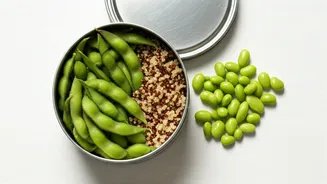
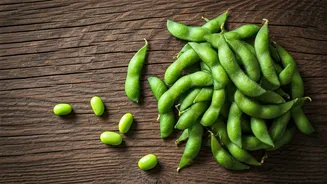
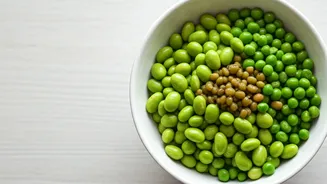
These bright green, young soybeans are a must-have in your freezer. A single cup of shelled edamame can contain around 18 grams of protein. What makes edamame a true superstar is that it's a 'complete protein', meaning it provides all nine essential amino acids that your body cannot produce on its own—a rare quality in the plant kingdom. They are also rich in fibre, folate, and vitamin K. Steamed in their pods with a sprinkle of sea salt, they make a perfect snack. Shelled edamame can be tossed into salads, stir-fries, and grain bowls for an instant, satisfying protein boost.
2. Mung Beans: The Versatile Indian Classic
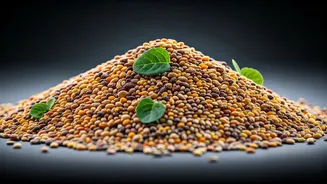
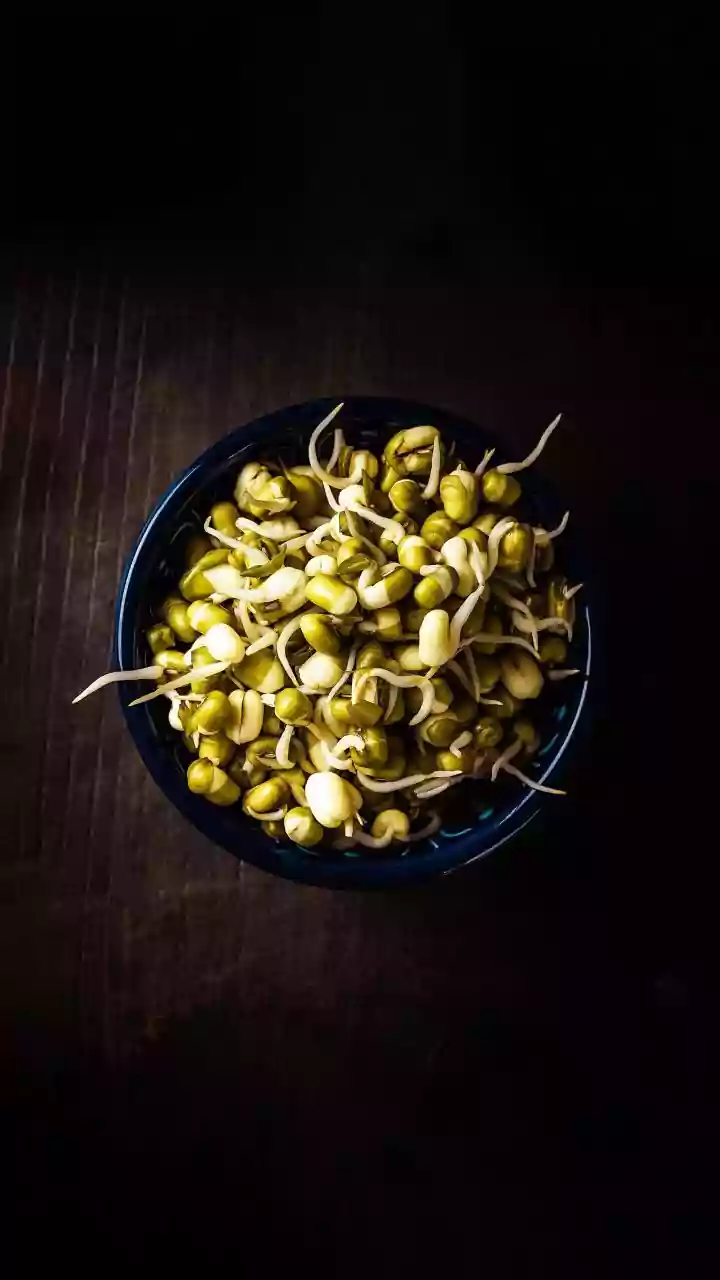
A staple in Indian households, the humble green mung bean (or moong) is a fantastic and affordable source of protein. A 100-gram serving of boiled mung beans provides about 7 grams of protein, along with significant amounts of dietary fibre. They are also a good source of essential B vitamins, including folate, which is crucial for overall health. Mung beans are incredibly versatile; they can be cooked into a classic dal, sprouted for salads and sandwiches to increase their nutritional value, or ground into flour. Their easily digestible nature makes them a gentle yet effective way to add more plant-based protein to your daily meals.
3. Green Peas: The Humble Heavyweight
Don't underestimate the power of the common green pea. Often relegated to a simple side dish, peas are a surprisingly potent source of plant-based protein. A cup of cooked green peas contains about 8 grams of protein, which is more than many other vegetables. They are also high in fibre, which promotes feelings of fullness and aids in digestion. This combination of protein and fibre can help manage appetite and reduce overall calorie intake. Frozen peas are a convenient and budget-friendly option. Add them to pasta, rice dishes, soups, or mash them into a flavourful spread for toast.
4. Pistachios: The Crunchy, Complete Nut
While nuts are known for healthy fats, pistachios stand out for their impressive protein content and unique green hue. A 30-gram serving (about a handful) provides around 6 grams of protein. Like edamame, roasted pistachios are considered a complete protein, containing all nine essential amino acids. They are also a good source of antioxidants, fibre, and potassium. Their satisfying crunch makes them a great addition to salads, a topping for yoghurt or oatmeal, or simply a nutritious snack on their own. Choosing in-shell pistachios can also promote mindful eating, as the process of shelling them slows you down.
5. Algae: The Nutrient-Dense Boosters
For a truly modern protein upgrade, look to the world of microalgae like spirulina and chlorella. These 'superfoods' are available in powder or tablet form and are incredibly nutrient-dense. By weight, spirulina can be 60-70% protein, making it one of the most concentrated protein sources on the planet. A single tablespoon can provide around 4 grams of complete protein. Both spirulina and chlorella are also rich in antioxidants, iron, and B vitamins. While they have a distinct, seaweed-like flavour, a small amount can be easily blended into smoothies, juices, or even savoury sauces to discreetly supercharge the nutritional content of your bowl.