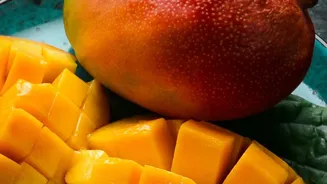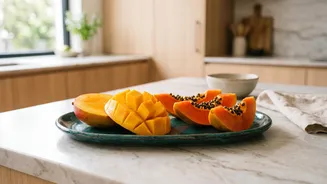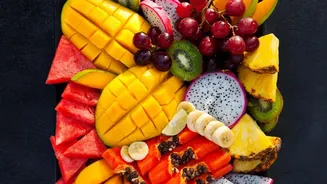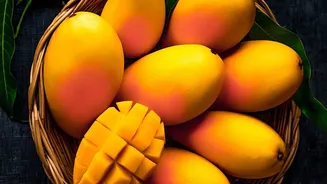





In the kingdom of fruits, mango and papaya are undisputed royalty, especially in India. Their shared sunset-orange hue isn't just for show; it’s a clue to the powerful nutrients hidden within. But which one wears the nutritional crown?
The Science of a Sunset Hue
That vibrant orange
colour in both mangoes and papayas comes from a family of plant pigments called carotenoids. Think of them as nature’s crayons, responsible for the brilliant yellows, oranges, and reds in many fruits and vegetables. When we eat these fruits, our bodies get access to these amazing compounds, which are renowned for their antioxidant properties. The two most famous carotenoids in this story are beta-carotene and lycopene. Both are powerful antioxidants that help protect our cells from damage, but they play slightly different roles in the body. These pigments are the secret behind many of the health benefits these two fruits offer.
Mango: The Beta-Carotene Champion
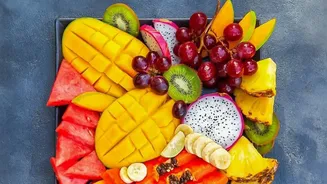
The mango, often hailed as the 'King of Fruits' in India, owes its golden-orange flesh primarily to beta-carotene. In fact, mangoes contain significantly more beta-carotene than papayas. The body cleverly converts beta-carotene into Vitamin A, a crucial nutrient for maintaining healthy vision, supporting a robust immune system, and promoting skin health. So, a diet rich in mangoes can contribute directly to better eye health and a stronger immune defense. The deeper and more intense the orange colour of a mango, the higher its beta-carotene content tends to be. Beyond carotenoids, mangoes are also packed with folate and Vitamin E.
Papaya: Powered by Lycopene and Papain
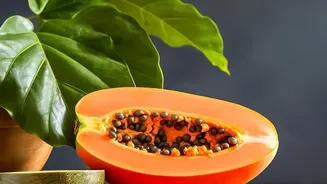
While papaya also contains beta-carotene, its nutritional secret weapon is lycopene—the same pigment that gives tomatoes their red colour. Lycopene is considered one of the most powerful antioxidants in the carotenoid family, especially effective at fighting cellular damage. Some studies suggest its ability to neutralize harmful free radicals is even greater than that of beta-carotene. But papaya's benefits don't stop there. It contains a unique enzyme called papain, which is extracted from the latex of unripe papaya. Papain is a protease, meaning it helps break down proteins, which can aid digestion. This makes papaya a fantastic choice for supporting digestive wellness.
The Nutritional Face Off
When placed side by side, the two fruits reveal different strengths. Papaya is the lighter option, with fewer calories and about half the sugar of a mango per serving. It's also a vitamin C powerhouse, with a single cup providing nearly a full day's requirement. Mango, on the other hand, leads in beta carotene (Vitamin A), Vitamin E, and folate. In terms of fiber, both fruits are comparable, offering a good amount to support digestive health. Another key difference lies in their digestive enzymes. While papaya has papain to digest proteins, mangoes contain amylases, which help break down carbohydrates and become more active as the fruit ripens, explaining why ripe mangoes are so much sweeter.
On the Indian Plate
In India, the love for both fruits runs deep, and their culinary uses are incredibly diverse. Mangoes are a cultural icon, woven into the fabric of summer. From tangy raw mango pickles (aam ka achaar) and chutneys to the sweet, golden pulp of Aamras enjoyed with puris, the fruit is versatile. Mango lassi is a beloved refreshing drink nationwide. Papaya, available year round, is often enjoyed fresh as a breakfast fruit or in salads, sometimes sprinkled with a bit of chili and lime. While mango is deeply embedded in tradition and festivals, papaya is a reliable, everyday source of nutrition for millions.