






The Unseen Workforce
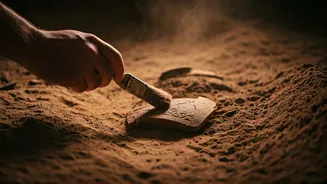
When we think of heritage jobs, the image that often comes to mind is that of an archaeologist dusting off ancient relics. While vital, this picture is incomplete. The preservation of Delhi's sprawling historical landscape requires a diverse army of specialists.
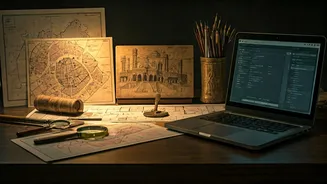
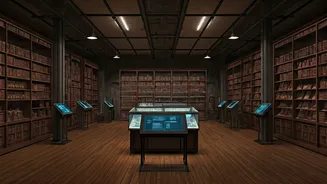
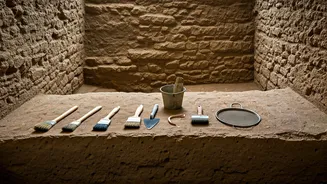
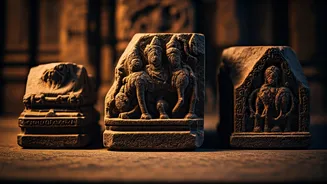
There are conservation architects who restore crumbling structures, materials experts who understand ancient mortars, and art restorers who breathe life back into faded frescoes. Beyond them are archivists managing centuries-old documents, museum curators who tell stories through objects, and skilled artisans like stonemasons and lime plasterers whose traditional knowledge is irreplaceable. These roles, combining science, art, and history, are the backbone of heritage conservation, yet they seldom feature in career fairs or university prospectuses.
A Crisis of Awareness and Opportunity
The core problem is a profound lack of awareness. These specialised professions are not widely publicised, leading to a thin pipeline of new talent. Many young people with a passion for history or culture are simply unaware that these viable and fulfilling career paths exist. The issue is compounded by a perceived lack of formal educational tracks, inconsistent pay scales, and the slow pace of recruitment in government bodies like the Archaeological Survey of India (ASI). The ASI, a primary employer, has faced challenges in filling vacancies, sometimes due to rigid recruitment rules or prolonged verification processes. This creates a bottleneck, discouraging aspirants and leaving critical gaps in the workforce needed to manage thousands of monuments.
The Domino Effect on Monuments
The shortage of skilled professionals has a direct, tangible impact on the city's heritage. Without enough experts, conservation work can slow down, and the quality of restoration might suffer. The intricate knowledge of traditional building materials and techniques is at risk of being lost forever as master artisans age without apprentices to pass their skills onto. This creates a domino effect: fewer experts lead to deteriorating monuments, which in turn diminishes their cultural and educational value, and reduces their potential to attract tourism and generate revenue. The very fabric of Delhi's identity, woven from these historical threads, is threatened by this skills gap. Overlapping jurisdictions between central, state, and local bodies can also create administrative loopholes in managing heritage sites.
Forging a New Path Forward
Addressing this requires a multi-pronged approach. Educational institutions need to develop and promote interdisciplinary courses in heritage management, conservation science, and museology. Organizations like the Indian National Trust for Art and Cultural Heritage (INTACH) already run valuable training programs and workshops, but their reach needs to be expanded. The government can play a crucial role by creating structured apprenticeship programs that pair young professionals with master craftspeople. Recently, the Delhi government launched initiatives like 'Our Monuments, Our Pride', allowing private entities to 'adopt' monuments and receive financial aid for restoration. Such public-private partnerships can create new employment avenues and improve the upkeep of sites not covered by the ASI.
Valuing Heritage, Valuing People
Initiatives that focus on skill training in traditional arts are also proving to be a powerful tool for both heritage preservation and economic empowerment. By turning fading skills into sustainable livelihoods, these programs help create a world that values heritage as much as innovation. Furthermore, a renewed focus on cultural tourism is creating diverse professional opportunities in museum curation, heritage site management, and documentation. For students passionate about history and culture, this growing sector offers a chance at a purpose-driven career. Ultimately, promoting these jobs isn't just about filling vacancies; it's about building a generation of custodians for our collective memory.