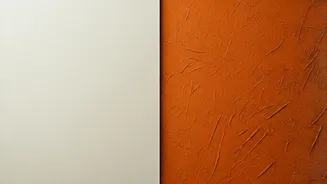







What Are Textured Removable Panels?
Imagine being able to add the rustic, earthy charm of a terracotta wall to your bedroom in an afternoon, without any of the mess, cost, or permanence of traditional masonry. That’s the magic of textured removable panels. These are typically lightweight,
three-dimensional panels made from materials like PVC, plant fibre, or high-density foam, designed to mimic the look and feel of other surfaces. They come in various patterns, but the terracotta finish is gaining huge popularity for its ability to instantly infuse a space with warmth. The 'removable' aspect is the game-changer; most of these panels are installed using double-sided tape or a gentle adhesive, making them a dream for renters or anyone who loves to frequently update their space. They offer the impact of a feature wall without the long-term relationship.
Why Terracotta Creates Ultimate Coziness
There's a reason why terracotta—which literally means “baked earth” in Italian—feels so comforting. Its warm, reddish-brown hue is deeply connected to nature, evoking images of sun-baked soil, ancient pottery, and rustic villas. In India, the connection is even deeper, with terracotta being a staple of traditional architecture and craft for centuries, prized for its cooling properties and organic beauty. Psychologically, these earthy tones are grounding. They create a sense of stability and security, making them perfect for a bedroom, which should be your personal sanctuary. The added element of texture engages more than just our eyes; a wall that has depth and shadow feels more interesting and dynamic, drawing you in and making the entire room feel more intimate and curated. It’s a multi-sensory approach to creating a calm, restorative environment.
The Renter-Friendly Revolution
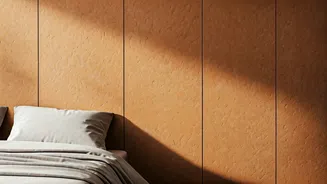
For anyone living in a rented apartment in cities like Mumbai, Delhi, or Bengaluru, the desire to personalise a space often clashes with the reality of strict rental agreements. This is where removable panels shine. You can create a stunning, high-impact accent wall behind your bed or in a reading nook, completely transforming the room’s character. When it’s time to move out, you can simply and carefully peel them off, often with minimal to no damage to the wall underneath (though it’s always wise to test a small, inconspicuous area first). This low-commitment approach also appeals to homeowners who are hesitant to splash out on a permanent feature they might tire of in a few years. It gives you the freedom to experiment with bold trends without the fear of regret or the hassle of a costly renovation.
How to Style Your Terracotta Wall
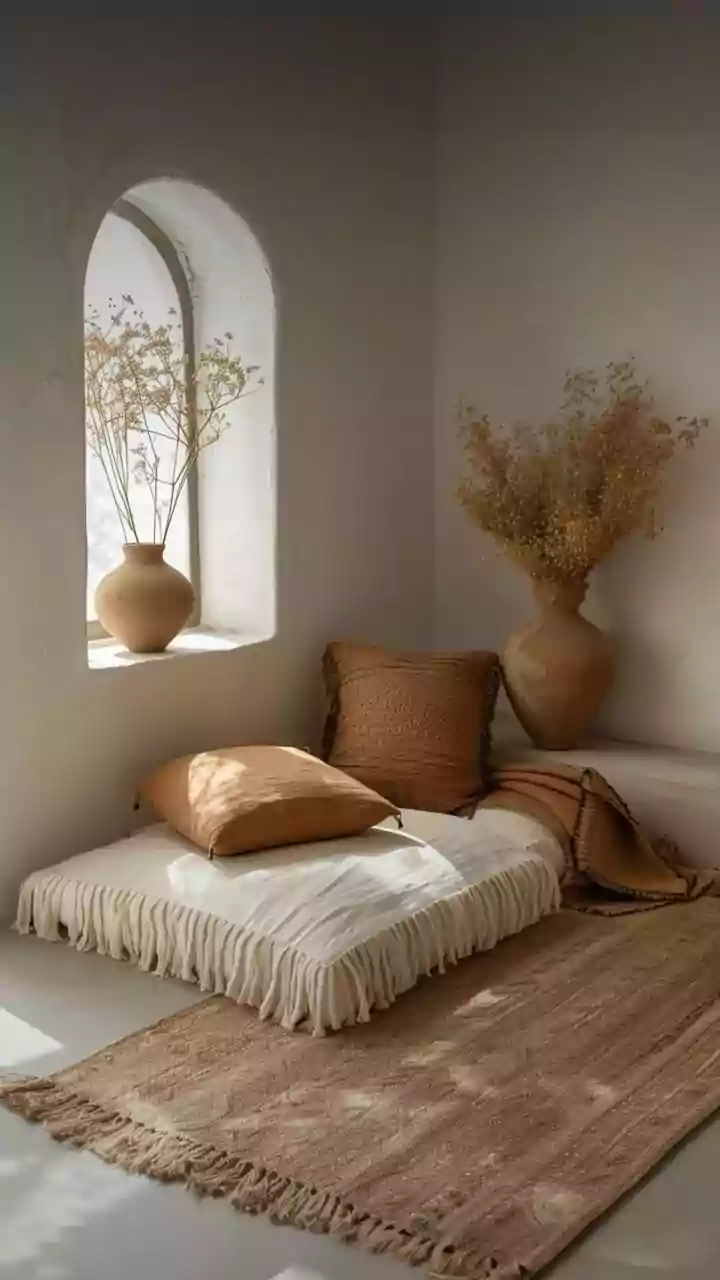
A terracotta feature wall is a strong statement, but it’s surprisingly versatile. To enhance the cozy factor, pair it with complementary colours and textures. Soft, neutral shades like cream, beige, and warm grey create a serene backdrop that lets the terracotta pop without overwhelming the space. For a more dramatic, nature-inspired look, consider pairing it with deep greens like olive or forest green. Natural materials are terracotta’s best friends. Think bed linens made from soft cotton or linen, a jute rug underfoot, and furniture made from light-coloured wood like pine or mango. Wicker baskets, macrame wall hangings, and plenty of green plants will complete the bohemian-chic, earthy aesthetic. When it comes to lighting, opt for warm, soft light. A stylish table lamp with a fabric shade or a few strategically placed fairy lights can amplify the cozy glow and highlight the beautiful texture of the panels.
Getting Started With Your Project
Ready to bring this look home? Start by measuring the wall you want to cover to determine how many panels you’ll need. These panels are widely available on major Indian e-commerce sites like Amazon.in, as well as specialised decor websites. Search for “3D wall panels,” “peel and stick wall tiles,” or “textured wall panels” and filter by colour and material. Before you buy, read reviews to check the quality of the adhesive and the ease of installation. Most panels are designed for DIY application and come with instructions. The process usually involves cleaning the wall, planning your layout, and then sticking the panels on one by one. It’s a satisfying weekend project that delivers instant gratification and a major style upgrade.