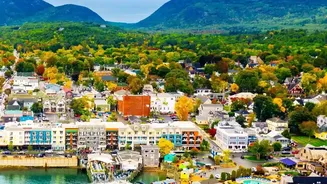







The Sweet Spot Between Seasons
The travel industry operates on predictable peaks and troughs, and we are currently in a noticeable trough. Late August and September represent the 'shoulder season' in India—a quieter period nestled between the end of the summer holidays and the beginning
of the bustling festive travel rush. With monsoon season winding down in many parts of the country and the major holiday crowds yet to arrive, demand for hotels naturally softens. This leads to more competitive pricing, with some reports suggesting that hotel rates can drop between 15% and 40% compared to peak periods. This seasonal lull is a well-known pattern, offering pleasant weather in many regions without the accompanying crowds and peak-season price tags. Destinations that are typically packed, like Goa, Kerala, and the hill stations of Himachal, become more accessible and affordable during this time.
A Perfect Storm for Lower Prices
This year's price dip isn't just about seasonality; other factors are at play. While leisure travel remains robust, some of the post-pandemic 'revenge travel' urgency has cooled, leading to more stable demand patterns. Furthermore, business travel is still finding its footing. While corporate travel is expected to grow significantly in 2026, with nearly 65% of Indian companies projecting an increase in travel volumes, its recovery is gradual. Many companies are focusing on strategic, value-driven trips rather than a full-scale return to pre-pandemic travel frequency. This cautious approach from the corporate sector means fewer business travellers competing for mid-week hotel rooms, giving leisure travellers an edge. This combination of seasonal quiet and a measured return of corporate demand has created a perfect, albeit temporary, buyer's market for hotel stays.
Why This Window Won't Stay Open for Long
This period of lower prices is decidedly short-lived. The travel industry is already bracing for a massive surge in demand for the upcoming festive season. Diwali, falling on November 8th this year, is India's largest domestic travel event, with passenger traffic historically jumping by 18-25%. Experts advise booking for this period 60-90 days in advance, which means the booking window is already open and prices will climb steadily from mid-September onwards. Following Diwali, the Christmas and New Year's holidays will keep demand and prices high through the end of the year. Beyond the festive rush, major events can cause prices to skyrocket with little notice. For instance, the BRICS Summit in Delhi in mid-September has already caused luxury hotel rooms to become either completely sold out or available at rates soaring into six figures. This illustrates how quickly availability can vanish and prices can surge, reinforcing the temporary nature of the current calm.
How to Seize the Moment
For travellers looking to take advantage of this lull, the time to act is now. The smartest move is to book immediately for travel within the next few weeks, during September and early October, to fully leverage the shoulder season deals. This is the ideal time to visit popular destinations like Rajasthan, where the weather is becoming pleasant, or coastal areas like Pondicherry and Goa, where you can enjoy the beaches without the crowds. If your sights are set on a festive season trip, booking now—before the end of September—can help you lock in more reasonable rates before the inevitable last-minute price hikes. Airlines and hotels use dynamic pricing, meaning costs rise in real-time with demand. By booking while the market is relatively quiet, you are essentially getting ahead of the curve and securing your travel before the majority starts their planning.